Are you ready to transform your kitchen with a new sink faucet? Whether you’re tired of that old, leaky fixture or simply want to upgrade your kitchen’s style, installing a new faucet can make a world of difference.
The best part? You don’t need to be a plumbing expert to do it yourself. In this guide, you’ll discover the straightforward steps to install a kitchen sink faucet efficiently and hassle-free. Imagine the satisfaction and pride you’ll feel every time you turn on the tap, knowing you installed it with your own hands.
Plus, you’ll save money on professional installation fees. So, grab your tools and let’s dive into the process. By the end, you’ll have a sleek, functional faucet that adds a touch of elegance to your kitchen space. Keep reading to learn how easy it is to make this simple yet impactful change.
Tools And Materials
Gathering the right tools and materialsis important. You will need a wrench, pliers, and a screwdriver. Also, have a bucket handy. This helps catch any water spills. A new faucet is necessary. Choose one that fits your sink.
Get plumber’s tape. It helps prevent leaks. Sealant is also useful. It ensures a tight fit. Ensure you have a towel. It helps keep your area dry. Collect all these items before starting.
- Wrench
- Pliers
- Screwdriver
- Bucket
- New Faucet
- Plumber’s Tape
- Sealant
- Towel

Credit: www.youtube.com
Preparing The Workspace
Begin by removing all items from under the sink. This includes any cleaning supplies or stored items. Make sure the area is free from any clutter. A clean space helps you work better. Use a flashlight to check for any hidden items. Ensure all tools are ready and close by. This makes the work easier and faster.
Locate the water valves under the sink. Turn them clockwise to stop water flow. If there are no valves, turn off the main water supply. It is important to double-check that the water is completely off. This prevents any unexpected leaks or spills. Once done, open the faucet to drain any remaining water. Keep a towel handy for any drips.
Removing The Old Faucet
Turn off the water supply. This stops the flow of water. Use a wrench to loosen the nuts. Hold the pipe steady while doing this. Slowly disconnect the water lines. Be careful not to damage anything. Place a bucket under the pipes. This catches any leftover water.
Unscrew the mounting nuts under the sink. Use a wrench for this task. Pull the old faucet up and out. Sometimes it may stick. Wiggle it gently to loosen it. Clean the area with a cloth. Make sure no debris is left behind. Get ready for the new faucet.
Choosing The Right Faucet
Faucets come in many styles. Single-handle faucets are simple. They control temperature with one handle. Double-handle faucets offer more control. Each handle adjusts hot or cold water. Pull-out faucets have a spray head. It helps wash dishes easily. Touchless faucets use sensors. Wave your hand to turn it on.
Think about your sink size. A big sink needs a long faucet. Check the mounting holes. Some sinks have one hole. Others have three. Look at faucet height. A tall faucet is good for washing big pots. Choose a finish that matches your kitchen. Stainless steel is shiny. Matte black is modern.
Installing The New Faucet
Installing a new kitchen sink faucet can enhance your space and improve functionality. Begin by removing the old faucet and cleaning the area. Carefully follow the manufacturer’s instructions to attach the new faucet and ensure a secure fit.
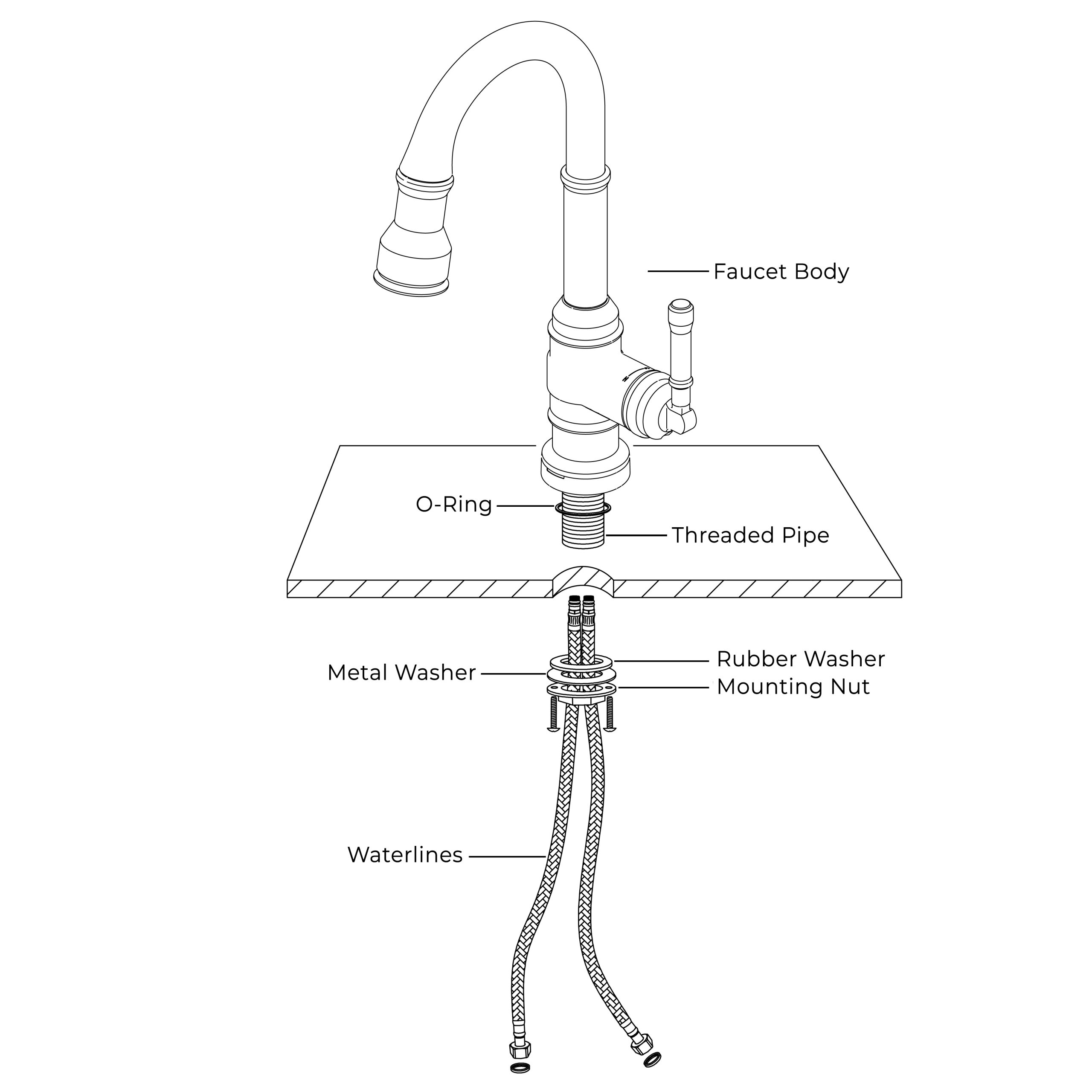
Place the faucet in the sink hole. Ensure it sits straight. Check if the gasket or putty is underneath. It should seal the area to stop leaks. Align the faucet handles properly. Make sure they are easy to turn. Secure the faucet with the provided nuts. Use a wrench to tighten them. Be careful not to over-tighten. This can damage the sink. Check the faucet is stable and doesn’t wobble. Adjust if necessary to keep it steady. Connect the water lines to the faucet pipes. Make sure the hot and cold lines are correct. Tighten the connections with a wrench. Turn on the valves slowly. Check for any leaks. If there are leaks, tighten the connections again. `
Credit: www.youtube.com
Testing The Installation
Turn on the faucet and inspect all connections. Look for water dripping or pooling. Use a dry cloth to wipe around joints. Moisture indicates a leak. Tighten connections if needed. Sometimes replacing a washer can help. Check both hot and cold lines. Ensure no leaks are present.
Turn the faucet on and off. Check water flow is smooth. Make sure handles are easy to turn. Ensure the sprayer works well. Test temperature control. Water should switch from hot to cold easily. Check for strange noises. Listen for hissing or banging sounds. If issues arise, recheck installation steps. Everything should work perfectly.
Maintaining Your Faucet
Installing a kitchen sink faucet involves removing the old fixture and securing the new one in place. Ensure all connections are tight to prevent leaks. Use a basin wrench for hard-to-reach areas, and check for any water flow issues once installed.
Routine Cleaning Tips
Regular cleaning helps keep your faucet shiny and new. Use a soft cloth with warm water. Avoid harsh chemicals that can damage the finish. A little bit of vinegar can remove water spots. Rinse with clean water and dry with a towel. This keeps your faucet looking nice.
Handling Minor Repairs
Drips and leaks waste water. First, turn off the water supply. Use a wrench to tighten any loose parts. If the leak continues, check the washer and O-ring. These parts often wear out. Replace them with new ones. This often stops the leak. Always have a basic repair kit handy. It helps fix small issues quickly.
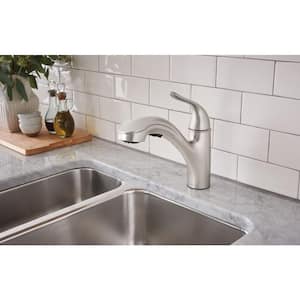
Credit: www.homedepot.com
Frequently Asked Questions
How Do I Choose The Right Faucet?
To choose the right faucet, consider your sink size, plumbing compatibility, and style preference. Look for features like water efficiency and ease of use. Ensure the faucet matches your kitchen’s decor and consider the material for durability. Always check the warranty and customer reviews before purchasing.
What Tools Are Needed For Installation?
You’ll need a basin wrench, adjustable wrench, plumber’s tape, and screwdriver. Prepare a bucket to catch water and towels for cleanup. A flashlight can be helpful for visibility. Ensure you have all necessary parts and read the installation guide carefully for any additional tools required.
How Long Does Installation Take?
Installation typically takes one to two hours. The duration depends on your experience and the complexity of the faucet. Ensure you have all tools ready and follow instructions carefully. Allow extra time for unforeseen issues, such as plumbing adjustments or removing old fixtures.
Can I Install A Faucet Myself?
Yes, you can install a faucet yourself with basic tools and instructions. Follow the steps carefully and ensure all connections are tight. If you’re uncomfortable or encounter complex plumbing, consider hiring a professional. Always turn off the water supply before starting to prevent leaks.
Conclusion
Installing a kitchen sink faucet is simpler than you might think. Follow the steps carefully, and you’ll have a new faucet in no time. Remember to check for any leaks once installed. Tighten connections if necessary. A new faucet can improve your kitchen’s look.
Regular maintenance will keep it working well. If needed, consult a professional for help. Enjoy the ease of a fresh faucet in your kitchen. Share your experience with friends and family. They might find it helpful too. Happy DIY!