When you’re planning your dream kitchen, every detail matters, and one of the most crucial aspects to consider is your countertop. If you’ve set your eyes on granite, you’re in for a timeless, durable, and elegant choice.
But before diving into styles and colors, there’s an essential question you might be asking: How thick should your granite kitchen counter be? Understanding the right thickness can impact not only the aesthetics but also the functionality and longevity of your countertops.
In this guide, we’ll unravel the mystery of granite thickness, helping you make an informed decision that suits your style and practical needs. Ready to transform your kitchen into a masterpiece? Let’s explore the perfect thickness for your granite kitchen counter and ensure it stands the test of time.

Credit: graniteselection.com
Granite Counter Thickness Options
Granite counters usually come in three thickness sizes. Most common size is 3 cm. This size is strong and durable. Another choice is 2 cm. It is thinner but still strong. Some people choose 1 cmgranite. It is lightweight and needs support.
Some people want different thickness for their granite counters. You can choose thicker granite for more strength. Thicker granite is heavy and hard to move. Thin granite is a good choice if you want a lighter counter. You can ask for special size if you have unique needs. Custom thickness lets you design your kitchen the way you like.
Factors Influencing Thickness
Granite is a strong stone. It can handle a lot of weight. Thicker granite is even stronger. It resists scratches and cracks. Thicker slabs last longer. They are very durable. Even with heavy use, they stay nice.
Thicker granite looks grand. It adds beauty to kitchens. People love its natural shine. It makes counters look rich. Thicker slabs have a deep, polished look. They catch the eye. Many choose them for their elegance.
Thicker granite costs more. It needs more material. It takes longer to install. Thicker pieces are heavy. Transport is harder. All this adds to the price. People must think about their budget. They weigh cost against benefits.
Comparing Different Thicknesses
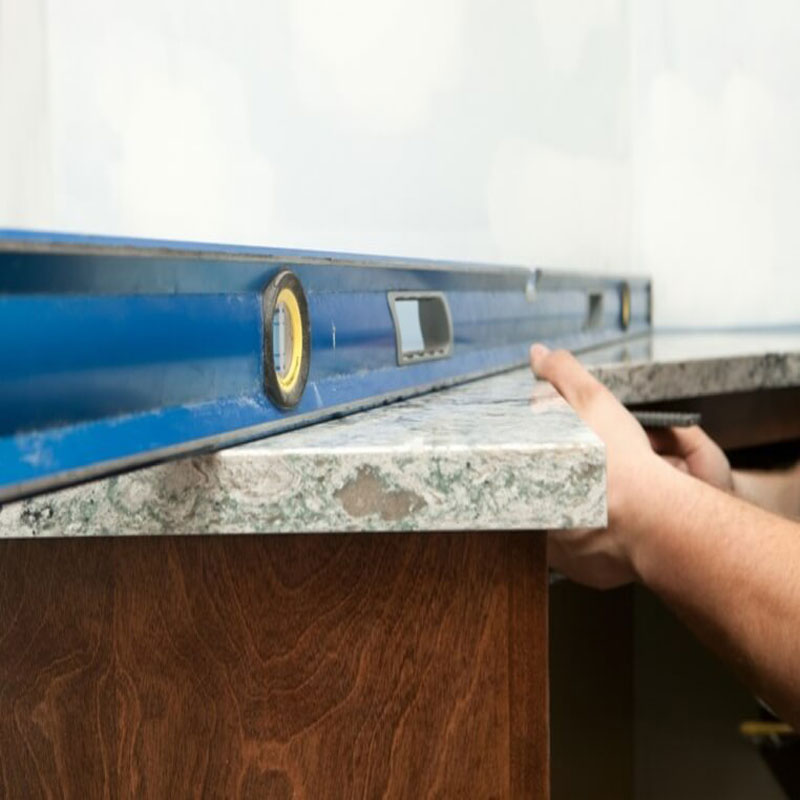
Thin granite slabsare usually 1 centimeter thick. They are light and easy to handle. These slabs are often used in apartments. Thin slabs can be fragile. They need extra support underneath. A plywood base is often used. Thin slabs are less expensive. They are a good choice for tight budgets.
Medium granite slabsare around 2 centimeters thick. They are popular in many homes. Medium slabs are stronger than thin ones. They offer a balance of cost and durability. Medium slabs can handle daily use well. They require less support than thin slabs. This thickness is a common choice.
Thick granite slabsmeasure about 3 centimeters. They are heavy and very strong. Thick slabs are ideal for busy kitchens. They need little support. These slabs are often seen in luxury homes. Thick slabs can be more costly. They add a touch of elegance. They are a long-term investment.
Credit: www.signaturemarbleandgranite.com
Installation Considerations
Granite counters need strong support. They are heavy. Cabinets must be sturdy. Proper brackets help hold them up. Weak cabinets may sag. Granite can crack if not supported well.
Edge profiles change the look of counters. Straight edges are simple. Rounded edges are safer for kids. Beveled edges add style. Fancy edges may cost more. Choose an edge that fits your kitchen.
Impact On Kitchen Design
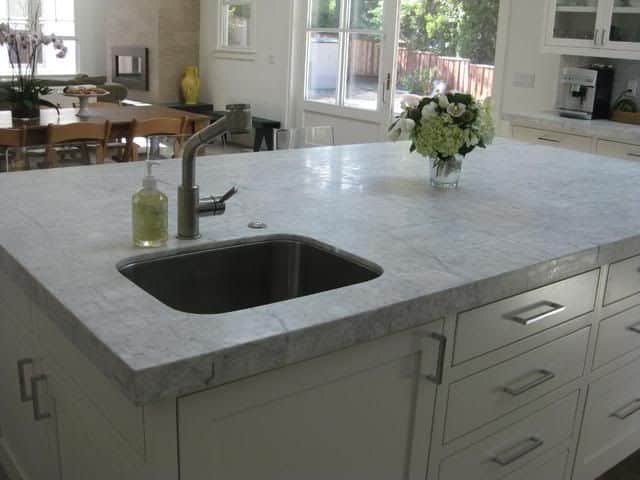
Granite thicknessaffects kitchen design. Thin granite can look sleek. Thick granite adds weight. It creates a solid look. Both styles have unique charm. Choose based on your taste. Thin counters fit modern styles. Thick counters suit classic designs.
Granite counters take up space. Thicker countersreduce cabinet space. Thin counters offer more room. Plan accordingly. Space matters in small kitchens. Think about storage needs. Balance thickness with function. Granite is strong, even when thin.
Credit: eaglestonesusa.com
Choosing The Right Thickness
Granite counters come in many thicknesses. The common ones are 2cm and 3cm. Thicker granite is stronger and more durable. It can handle heavy kitchen use. If you cook often, 3cm granite is a good choice. It can hold heavy pots and pans. Thinner granite is lighter. It might chip or crack more easily. Think about how much you use your kitchen.
Granite thickness affects the price. Thicker granite is usually more expensive. It needs more material and support. If you have a small budget, 2cm granite might be better. It is cheaper and easier to install. But it might need extra support. Consider what you can afford. Balance quality and cost. Choose what suits your budget best.
Frequently Asked Questions
What Is The Standard Thickness For Granite Countertops?
The standard thickness for granite countertops is typically 1. 25 inches or 3 cm. This thickness offers a balance of durability and cost. Some homeowners opt for 2 cm or 4 cm thickness for a more robust look. However, 1.
25 inches remains the most popular choice for kitchen countertops.
Can Granite Countertops Be Custom Thickness?
Yes, granite countertops can be custom cut to different thicknesses. While the standard is 3 cm, some prefer a thicker or thinner slab. Custom thickness allows for personalization but may affect cost and installation. Always consult with a professional to ensure the desired thickness meets structural requirements.
How Does Thickness Affect Granite Countertop Durability?
Thicker granite countertops are generally more durable and resistant to damage. A 3 cm slab provides excellent strength for daily use. Thinner slabs may require additional support to prevent breakage. Choosing the right thickness depends on your kitchen’s needs and your budget constraints.
Is Thicker Granite More Expensive?
Yes, thicker granite is usually more expensive due to higher material costs. A 3 cm slab costs more than a 2 cm slab. The price difference also accounts for additional support and handling requirements. Investing in thicker granite can enhance durability, but it may increase your overall kitchen remodeling budget.
Conclusion
Granite kitchen counters provide style and durability. Their thickness matters. It affects both appearance and functionality. Thicker granite offers strength, but may cost more. Consider your needs and budget. Choose the right thickness for your kitchen. Remember, each home is unique.
Consult professionals for advice. They can guide you in making a smart choice. The right granite counter can enhance your kitchen’s beauty. It also adds value to your home. Make an informed decision. Your kitchen deserves the best. Enjoy your new granite countertop.
It’s a timeless investment.