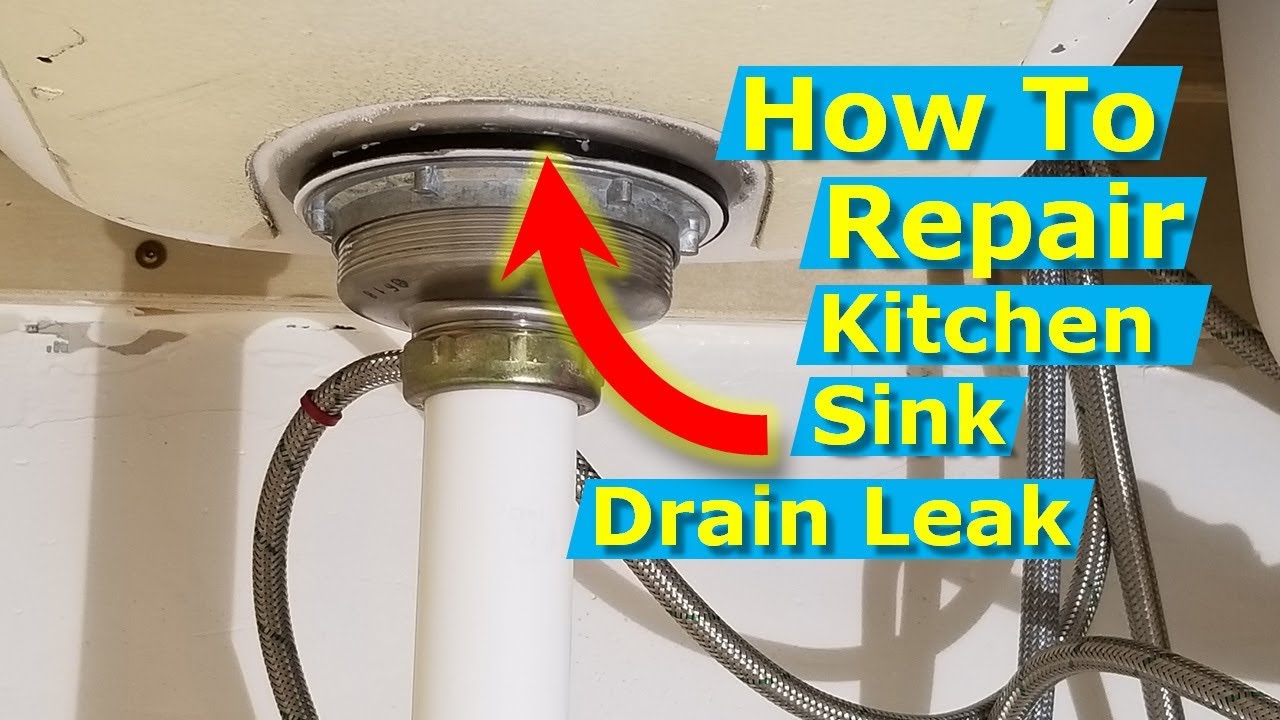
A clogged kitchen sink drain can turn your daily routine upside down, leaving you frustrated and overwhelmed. You might feel tempted to call a plumber right away, but what if you could tackle the problem yourself and save both time and money?
Imagine the satisfaction of watching water flow smoothly down your drain after you’ve fixed it with your own hands. In this guide, you’ll discover simple, effective steps to fix your kitchen sink drain without needing to be a DIY expert.
Dive in and learn how you can restore order in your kitchen quickly and efficiently. Your sink will thank you!
Tools And Materials Needed
A blocked kitchen sink drain can be a real hassle. To fix it, gather the necessary tools. You will need a plungerand a pipe wrench. A bucketis also essential to catch any water. Don’t forget a drain snake. This helps to clear stubborn blockages. A pair of rubber gloveskeeps your hands clean. You might also need a screwdriverto open the pipe.
Having baking sodaand vinegarcan also help. These are natural cleaners. A cleaning brushwill be useful too. Make sure all items are ready before you start. This makes the task easier and faster. Fixing the drain will be a breeze with these tools.
:max_bytes(150000):strip_icc()/how-to-install-a-sink-drain-2718789_hero_5078-64538f6f90d545c7af0728e4bf8f894e.jpg "How to Fix Kitchen Sink Drain: A Step-by-Step Guide 1")
Credit: www.thespruce.com
Identifying The Problem
A blocked sink drain can be very annoying. Water might not flow down. This is usually due to a clog. Food, grease, and soap build up over time. The first step is to find the cause. Look under the sink for leaks. Check if the pipes are loose. A bad smell can also help locate the problem. Sometimes, you might hear a strange noise. This noise can be a sign of a block.
If these checks don’t help, try removing the drain cover. Shine a light into the drain. You might see what is causing the block. Hair or food bits are common culprits. Use a wire hanger to pull out the blockage. Be careful not to push it further in. If this doesn’t work, a plumber’s snake can help.
Removing The Drain Cover
The first step is to remove the drain cover. Use a screwdriver for this task. Turn the screws gently to avoid damage. Lift the cover once screws are loose. Place the cover aside safely. Check for any visible blockage or debris. Use a flashlight for better visibility. Gather tools like a wrench if needed. Be careful not to drop the screws.
Examine the drain pipe next. Look for any clogs or buildup. Clean the area around the drain. Use gloves for protection. Ensure safety while doing this. Remove any debris carefully. Use a small brush if necessary. Keep the area tidy to avoid mess.
Cleaning The Drain
Pour hot water down the drain first. Add a cup of baking soda. Let it sit for a few minutes. Next, pour a cup of vinegar. It will fizz. Wait for ten minutes. Flush with hot water again. This method cleans and removes odors.
Fill the sink with enough water to cover the plunger cup. Place the plunger over the drain. Push down firmly and pull up quickly. Repeat several times. This creates pressure. It can dislodge clogs. Check the drain and repeat if needed. Effective for stubborn clogs.
Checking The P-trap
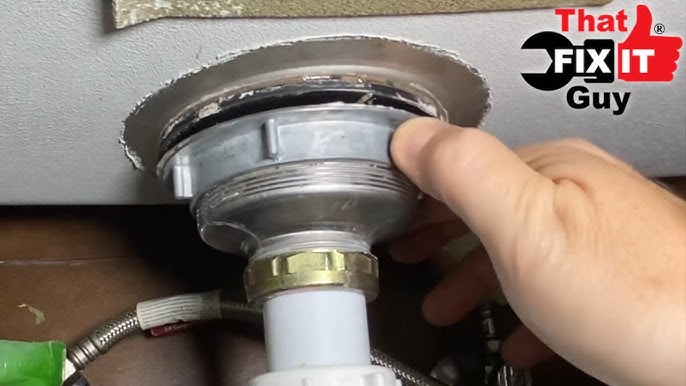
First, place a bucket under the P-Trap. This catches water. Next, find the nuts on the trap. Turn them counter-clockwiseto loosen. Be gentle. Don’t break them. Once loose, remove the trap carefully. Water may spill. Be prepared!
Check the trap for any blockages. Look inside it. Use a brush to scrub. Clean it well. Make sure no debris is left. Rinse with water. This helps remove dirt. Let it dry completely. Now, your trap is clean!
Credit: www.youtube.com
Reassembling And Testing
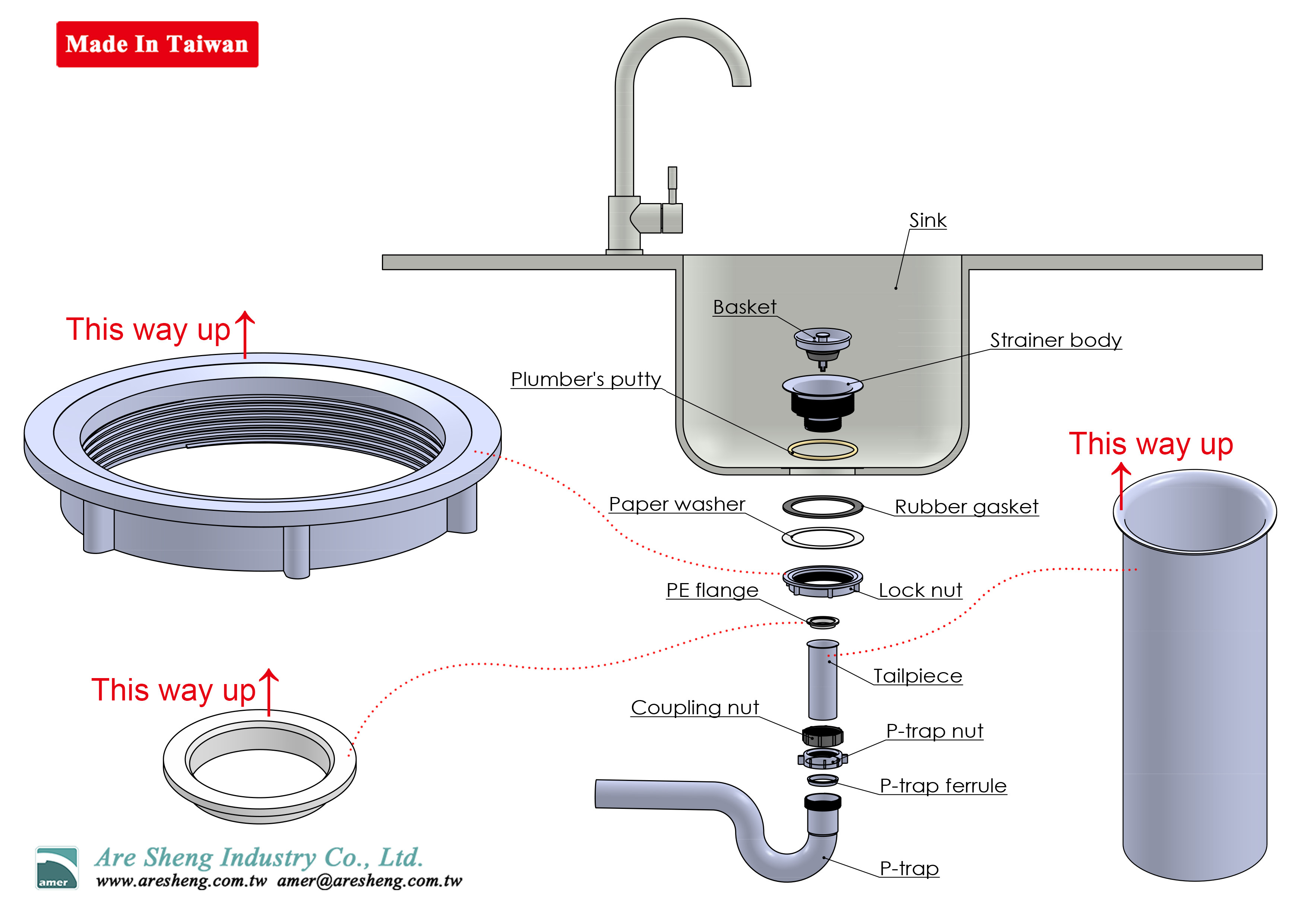
Begin by putting the sink parts back together. Use the same order as before. Tighten all the screws and nuts. Make sure everything fits snugly. Check for any leftover pieces. If something is missing, find it and add it back.
Now, turn on the water. Look under the sink for leaks. If water drips, tighten the parts more. Use a bucket to catch any water. Test the sink by filling it and then draining it. Watch the water go down smoothly. If it does, your job is done!
Always keep a towel nearby. Wipe any spills right away. A dry floor is a safe floor.
Preventative Measures
Keep your sink clean every day. Wipe it down after each use. Pour hot water down the drain weekly. This helps remove grease. Use a sink strainer to catch food bits. Clean the strainer often. Vinegar and baking soda can clean drains. Pour them down the drain monthly. This helps keep the pipes clear.
Do not pour oil or fat down the drain. It can harden and block the pipes. Throw coffee grounds in the trash, not the sink. Eggshells and bones should also go in the trash. Avoid washing large food scraps down the sink. Always scrape plates into the trash first. Little steps can keep your drain clear.
Credit: www.aresheng.com.tw
Frequently Asked Questions
How Can I Unclog My Kitchen Sink Drain?
To unclog your kitchen sink drain, start by removing any visible debris. Use a plunger to dislodge clogs, or try a mixture of baking soda and vinegar. Pour boiling water down the drain to clear remaining blockages. If these methods fail, consider using a plumber’s snake or calling a professional.
What Causes Kitchen Sink Drains To Clog?
Kitchen sink drains often clog due to accumulated food particles, grease, and soap residue. Over time, these materials build up and obstruct water flow. Avoid pouring grease down the sink and use a drain strainer to catch food debris. Regular cleaning can help prevent clogs from forming.
Can I Use Chemicals To Clear My Drain?
Chemical drain cleaners can be effective but are harsh and may damage pipes. Use them sparingly and follow instructions carefully. Consider natural alternatives like baking soda and vinegar. These are safer and environmentally friendly. Regular maintenance and non-chemical methods are usually sufficient to keep drains clear.
How Often Should I Clean My Kitchen Sink Drain?
Cleaning your kitchen sink drain once a week can prevent clogs. Regular maintenance involves flushing it with boiling water and using baking soda and vinegar monthly. This routine helps remove buildup and keeps the drain functioning properly. Consistent cleaning ensures smooth water flow and reduces the risk of clogs.
Conclusion
Fixing your kitchen sink drain can be simple and satisfying. With the right tools, anyone can tackle this task. Always start by identifying the problem. Is it a clog or a leak? Once you know, choose the right method. Clean the pipes regularly to prevent future issues.
Remember, safety first. Wear gloves and use safe products. Keep your tools organized for easy access. A well-maintained sink saves time and stress. Enjoy your clean, working drain. It’s great knowing you fixed it yourself!