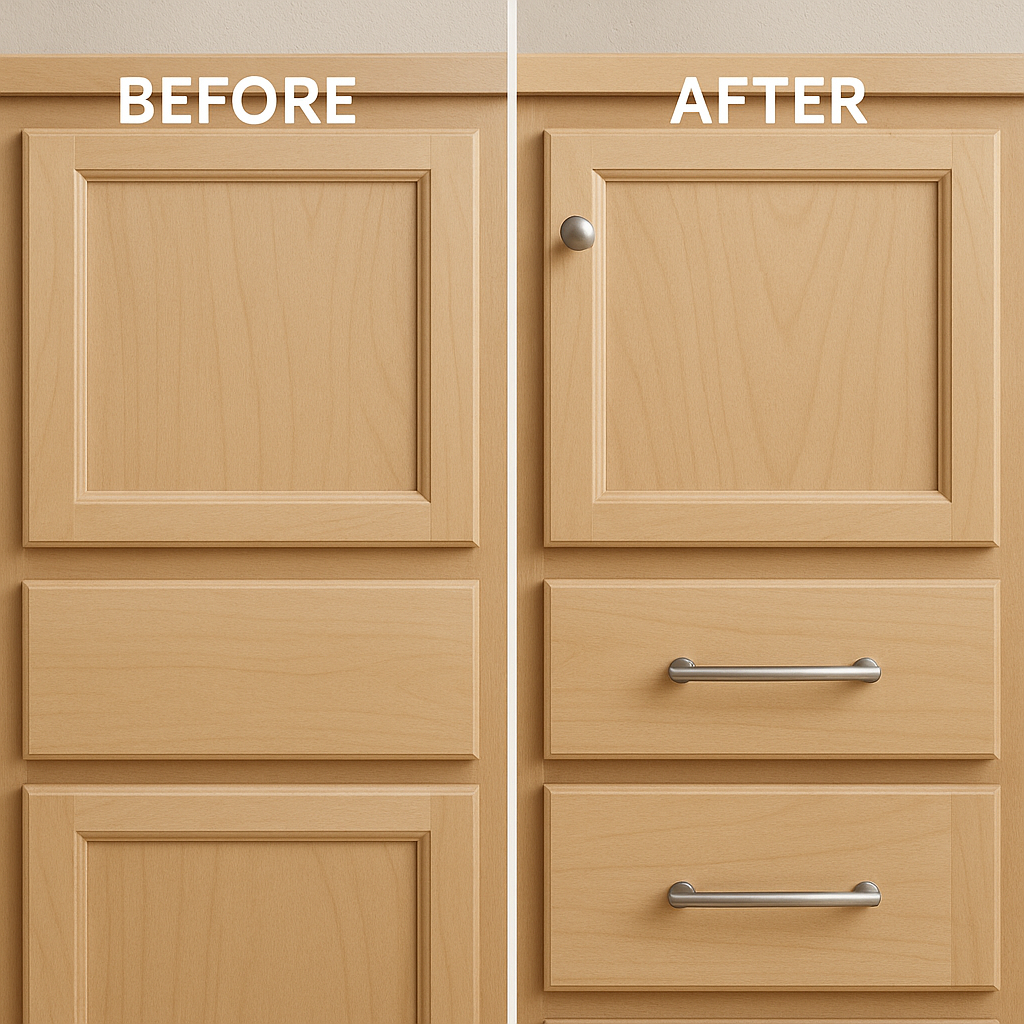
Are you ready to transform your kitchen into a space that reflects your style and meets your practical needs? Installing kitchen hardware is a simple yet impactful way to breathe new life into your cooking area.
Whether you’re updating cabinet handles, drawer pulls, or hinges, this guide will equip you with the know-how to make your kitchen hardware installation a breeze. Imagine the satisfaction of completing this DIY project, seeing the gleaming new fixtures, and knowing you did it all yourself.
Dive in to discover step-by-step instructions, expert tips, and the secrets to achieving a polished, professional look without breaking the bank. Your kitchen makeover starts now!

Credit: atelierdeluxe.online
Tools And Materials Needed
Installing kitchen hardware requires specific tools. A screwdriver is essential. Use a drill for faster work. Tape measure helps with accurate placement. A level ensures everything is straight. Pencil marks the spots for drilling.
Materials include screws and anchors. Handles and knobs are the main hardware. Cabinet hinges may be needed. Sandpaper smooths rough spots. Cleaner removes dust before installation.
Keep a toolbox for organizing items. Safety glasses protect your eyes. Gloves keep your hands safe. Step ladder helps reach high places. These tools and materials ensure a smooth installation.
Choosing The Right Hardware
Knobs are round and small. Pulls are longer and often easier to grab. Knobs work well for cabinets. Pulls are better for drawers. Choosing between them depends on your need. Both come in various styles and colors.
Hardware comes in many materials like brass, chrome, and stainless steel. Each has its own look and feel. The finish can be shiny or matte. Choose a finish that matches your kitchen style. Some finishes are easier to clean.
Size matters for kitchen hardware. Big hardware looks bold. Small hardware looks subtle. The size should fit the cabinet or drawer. Too big or small looks odd. Measure before buying to ensure the right fit.
Measuring And Marking
Check where you want the hardware. Use a pencil to mark spots. Make sure they line up with other handles. Use a ruler for straight lines. Doors and drawers need different spots. Measure twice to avoid mistakes.
Templates help find the best spot. They are easy to use. Place the template on the door. Mark holes with a pencil. This makes sure all handles match. Use for both doors and drawers.
- Don’t guess the placement.
- Always measure first.
- Use a template for accuracy.
- Double-check marks before drilling.
- Ensure handles are level.
Credit: www.woodworkerexpress.com
Drilling Techniques
Drill precise holes to install kitchen hardware efficiently. Use a template for accurate placement. Secure fixtures with screws for stability.
Selecting The Right Drill Bit
Choosing the correct drill bitis important. Match the bit to the material. Metal needs a strong bit. Wood needs a sharp bit. Measure the screw size first. Use a bit that’s slightly smaller. This helps the screw fit tightly.
Preventing Wood Splintering
Keep wood from splintering with care. Use a piece of tape on the surface. This holds the wood fibers together. Drill slowly to avoid quick breaks. Use a sharp drill bitfor clean holes. Make sure your drill is steady.
Ensuring Proper Depth
Ensure proper depth with a depth stop. Measure the screw length. Mark the drill bit with tape. This shows where to stop. Check your drill settings. Use the depth gauge if available. It helps control how deep you drill.
Attaching The Hardware
Securely attach kitchen hardware by aligning the pieces and marking holes on cabinets. Use a drill to create pilot holes. Finally, fasten screws to ensure stability.
Aligning The Hardware
Start by marking the spots for each handle or knob. Use a ruler to keep them even. Make sure they are straight and level. This helps in making your kitchen look neat. Double-check the marks before drilling.
Securing With Screws
Carefully drill holes where you marked. Hold the hardware in place with one hand. Insert screws into the holes. Use a screwdriver to tighten the screws. Make sure each piece is firmly attached. Loose hardware can fall off easily.
Adjusting For Tightness
Check each screw for tightness. Gently twist the screws if they are loose. Do not over-tighten, as this can damage the hardware. Make sure the knobs or handles do not wiggle. They should feel sturdy and secure.
Tips For A Professional Finish
Achieve a professional finish by aligning all kitchen hardware precisely. Use a template for consistent placement. Secure each piece with a screwdriver to avoid over-tightening.
Cleaning And Polishing
Ensure tools are clean and dry before use. Dust can damage surfaces. Use a soft cloth to apply polishgently. Make sure to polish all areas evenly. Avoid harsh chemicals that might scratch.
Inspecting For Alignment
Check if handles and knobs are straight. Use a ruler to measure distances. Make sure all parts are level and secure. An uneven setup can cause problems later. Fix any misalignment right away.
Troubleshooting Issues
- Loose screws can be tightened easily.
- Check for bent or broken parts.
- Replace damaged hardware promptly.
- Ensure all pieces fit well together.
Maintenance And Care
Installing kitchen hardware requires basic tools and a bit of patience. Measure carefully and mark the spots for screws. Secure each piece by tightening the screws firmly for a polished look.
Regular Cleaning Routine
Cleaning kitchen hardware keeps it shiny and new. Use a soft cloth with warm water. Add mild soap for tough dirt. Wipe gently to avoid scratches. Dry with a clean towel. Clean weekly for best results.
Handling Wear And Tear
Hardware can get worn out from daily use. Check for loose screws regularly. Tighten them to prevent damage. If hardware looks dull, polish it. Use a gentle polish for metal surfaces. Be careful to avoid harsh chemicals.
Replacements And Upgrades
Sometimes hardware needs replacing. Choose new pieces that match your kitchen style. Measure carefully before buying. Install new hardware carefully. Follow instructions for a secure fit. Upgrading can refresh kitchen looks.

Credit: www.instagram.com
Frequently Asked Questions
How Do I Choose Kitchen Hardware Style?
Selecting kitchen hardware involves considering your kitchen’s design and personal taste. Match the hardware style to your cabinets and overall theme. For a modern look, opt for sleek handles. Traditional kitchens may benefit from ornate knobs. Consider the finish, like brass or chrome, to enhance the aesthetics.
What Tools Are Needed To Install Hardware?
Installing kitchen hardware requires basic tools like a screwdriver, measuring tape, and drill. You might also need a level to ensure alignment. Having a template can be useful for consistent placement. For more complex installations, a stud finder might be necessary.
Always check instructions for specific tool requirements.
Can I Install Hardware Myself?
Yes, you can install kitchen hardware yourself with some basic tools and patience. Ensure you have the correct measurements and follow guidelines. Use templates for accurate placement and double-check alignment. If you’re unsure, consider consulting a professional for advice. DIY installation can save money and personalize your space.
How Do I Measure For Kitchen Hardware?
To measure for kitchen hardware, use a tape measure for precise dimensions. Consider the cabinet’s size and choose appropriately sized handles or knobs. Ensure symmetry for aesthetic balance. Templates can help ensure consistent spacing. Double-check measurements before drilling to avoid mistakes.
Conclusion
Installing kitchen hardware can seem challenging. But, with guidance, it’s manageable. Follow each step carefully for success. Measure accurately to avoid mistakes. Always use the right tools. This ensures the hardware fits perfectly. Take your time to avoid errors. Practice patience throughout the process.
Soon, your kitchen will have a fresh look. Enjoy the satisfaction of completing the task yourself. Your efforts will pay off with a beautiful result. Remember, practice makes perfect. With experience, installation becomes easier. Keep this guide handy for future projects.
Happy installing!