Choosing the right kitchen runner can make a big difference in how your kitchen looks and feels. But one question often comes up: How long should a kitchen runner be?
If you’ve ever stood in front of your kitchen cabinets wondering whether your runner is too short or too long, you’re not alone. The perfect length can boost comfort, protect your floors, and tie your space together. You’ll discover simple tips to find the ideal runner length for your kitchen, so you can make the best choice without any guesswork.
Keep reading to transform your kitchen step by step!
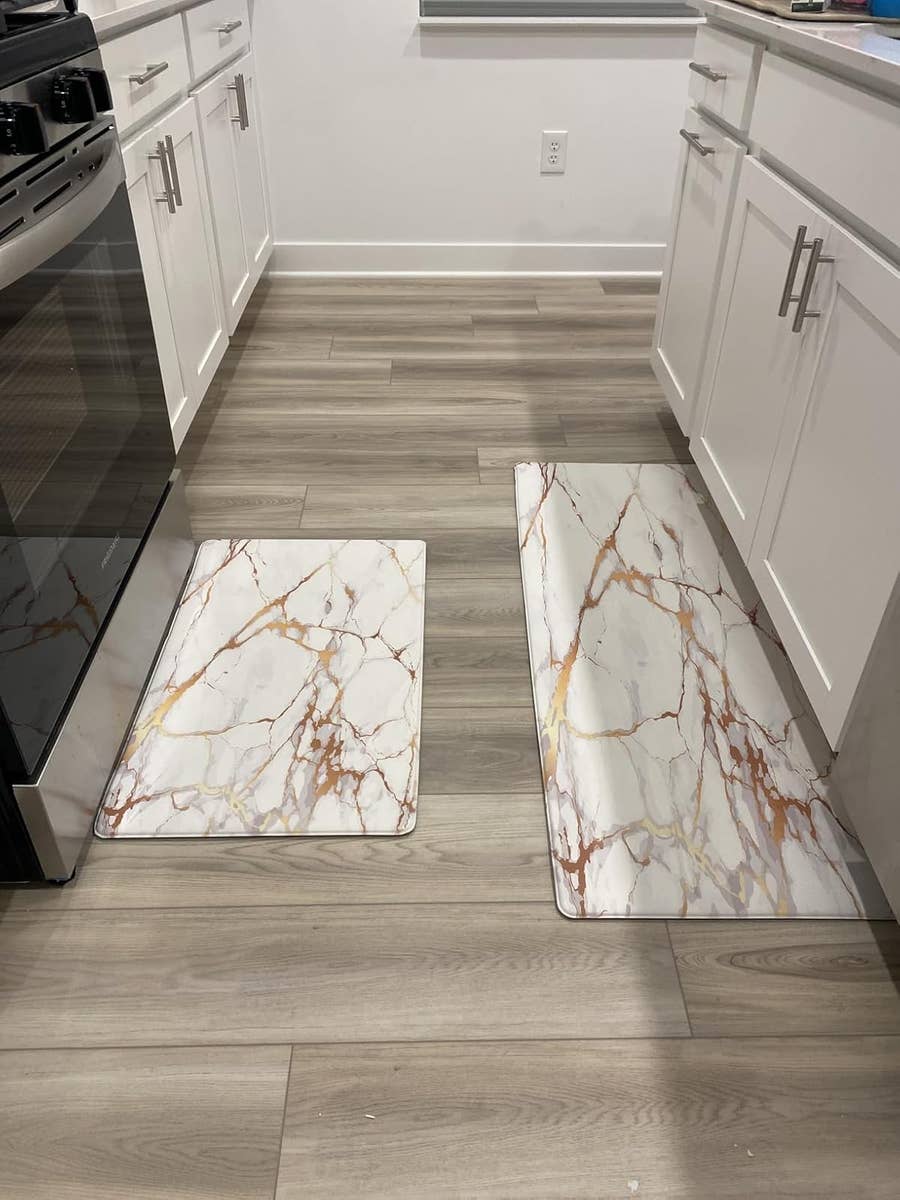
Credit: www.buzzfeed.com
Choosing The Right Length
Kitchen runners come in different standard sizes. Common lengths include 6 feet, 8 feet, and 10 feet. Widths usually range from 2 to 3 feet. Choose a size that fits well in your space without crowding.
| Runner Length | Common Width | Ideal For |
|---|---|---|
| 6 feet | 2 to 2.5 feet | Small kitchens or narrow spaces |
| 8 feet | 2 to 3 feet | Medium kitchens with longer counters |
| 10 feet | 2 to 3 feet | Large kitchens or open layouts |
Measure your kitchen length from one end to the other. Leave some space at both ends for easy movement. Think about where you walk most. Measure the width to ensure the runner fits comfortably.
- Measure along the path you walk
- Leave 6-12 inches of space at each end
- Check for obstructions like cabinets or appliances
Kitchen layout affects runner length. Long, narrow kitchens suit longer runners. U-shaped kitchens may need shorter ones to fit the shape. Keep in mind areas where water or spills happen.
Placement Tips
Place the kitchen runner close to the cabinetsfor easy access. Leave a small gap so it doesn’t touch appliances. This prevents damage and allows doors to open freely.
Keep some space around the stove and refrigerator. This helps avoid stains and heat damage on the runner. It also makes cleaning easier.
- Align the runner with main walkways.
- Ensure it does not block paths or drawers.
- Choose a length that matches your kitchen’s traffic flow.
Material And Function Impact
Durabilitydepends on the material of the kitchen runner. Wool and nylon last long and resist stains well. Cotton runners are softer but wear out faster. Vinyl and polyester are good for heavy use areas due to their strong fibers.
Ease of cleaningvaries by material. Synthetic fibers like polyester and nylon dry quickly and clean easily. Wool may need special care, like dry cleaning. Cotton can be machine washed but might shrink.
- Slip resistanceis key for safety in the kitchen.
- Runners with rubber or latex backing stay in place better.
- Natural fibers without backing can slide on smooth floors.
- Choosing a runner with good grip helps prevent falls.
Aesthetic Considerations
Choosing the right color and patternfor a kitchen runner can set the room’s mood. Soft, neutral tonesblend well with most kitchens. Bright colors add a lively touch, while patterns can hide dirt.
Matching the runner to kitchen décor helps create a unified look. Consider the cabinet colors and countertop materials. A runner that complements these elements feels more natural.
Creating visual balanceis key. A long runner can draw the eye along the kitchen’s length. Too short, and it might look out of place. Choose a size that fits the space well.
Custom Vs. Ready-made Runners
Custom kitchen runnersfit your space exactly. They give you control over lengthand width. This helps avoid extra fabric or gaps. You can pick colors and patterns that match your style perfectly. Ready-made runnerscome in standard sizes. They are easy to find and often cost less. But they may not fit your kitchen space well.
| Aspect | Custom Runners | Ready-Made Runners |
|---|---|---|
| Cost | Usually higher | Usually lower |
| Size Options | Any size | Limited sizes |
| Availability | Made to order | In stores or online |

Credit: www.runrug.com

Credit: shop.wellwoven.com
Frequently Asked Questions
How Long Should A Kitchen Runner Be?
A kitchen runner should ideally be 2 to 3 feet shorter than your kitchen length. This allows space at both ends for safety and style.
Can A Kitchen Runner Be Longer Than The Kitchen?
It’s not recommended. A runner longer than the kitchen can cause tripping hazards and look disproportionate.
How Wide Should A Kitchen Runner Be?
The width of a kitchen runner typically ranges between 24 to 30 inches. It should fit comfortably within your kitchen walkway.
Should A Kitchen Runner Cover The Entire Floor Length?
No, leaving some floor visible at both ends enhances the kitchen’s aesthetics and safety.
Conclusion
Choosing the right kitchen runner length is crucial. It enhances both style and function. Measure your space carefully. Align the runner with your kitchen layout. A well-placed runner protects floors and adds warmth. Consider your decor theme. Match colors and patterns to your taste.
A runner should complement, not overwhelm. Aim for balance and harmony. Remember, comfort matters too. Choose a runner that feels good underfoot. Regular maintenance keeps it looking fresh. A well-chosen runner enhances your kitchen’s appeal. Enjoy the blend of practicality and charm.
Your kitchen deserves nothing less.