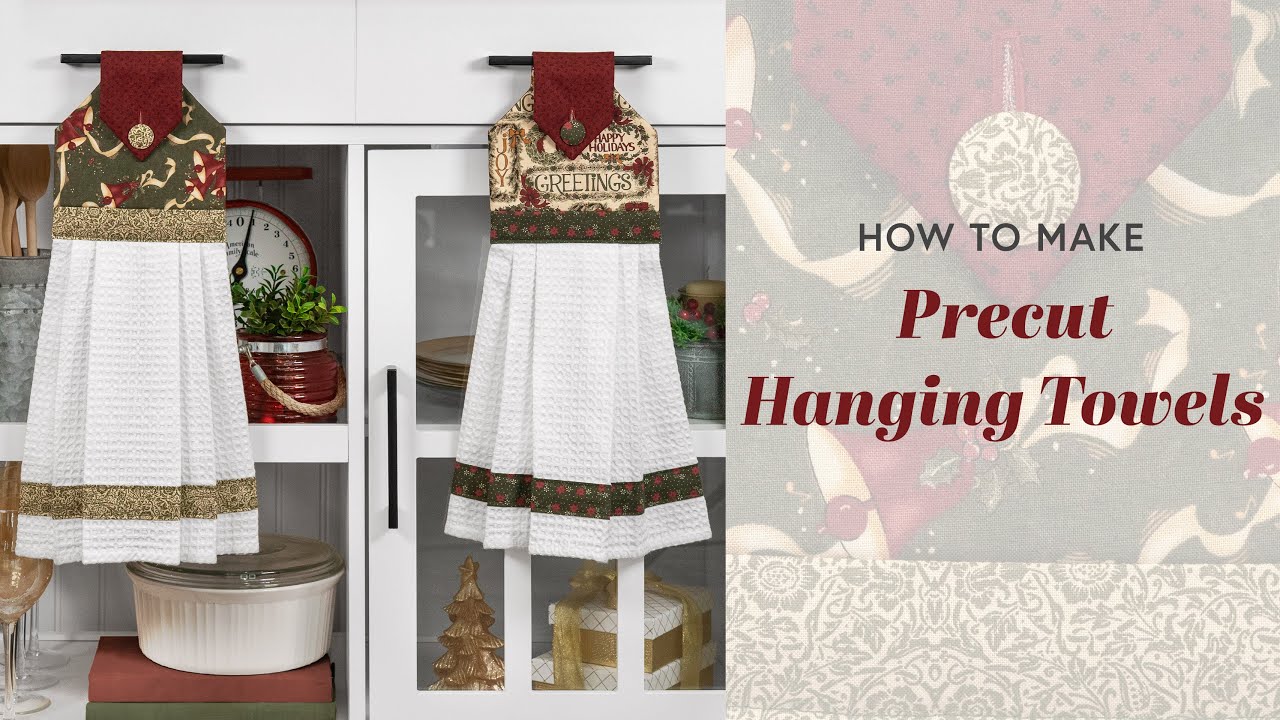
Are you tired of buying kitchen towels that wear out quickly or don’t match your style? Imagine having a towel that’s just right for your kitchen—soft, durable, and made by your own hands.
Making your own kitchen towel is easier than you think, and it gives you a chance to create something unique and useful. In this guide, you’ll discover simple steps to craft a towel that fits your needs perfectly. Ready to turn a few materials into your new favorite kitchen essential?
Let’s get started!

Credit: www.thewillowmarket.com
Materials Needed
Choosing the right fabricis key for a good kitchen towel. Cotton is soft, absorbent, and easy to wash. Linen dries fast and is strong. A blend of cotton and polyester can last longer and resist stains better. Avoid fabrics that are too thick or rough, as they take longer to dry.
Basic tools and suppliesmake the process easier. You will need:
- Fabric scissors for clean cuts
- Measuring tape or ruler for accuracy
- Sewing machine or needle and thread
- Pins to hold fabric pieces together
- Iron for pressing seams
- Optional: fabric marker or chalk for marking lines
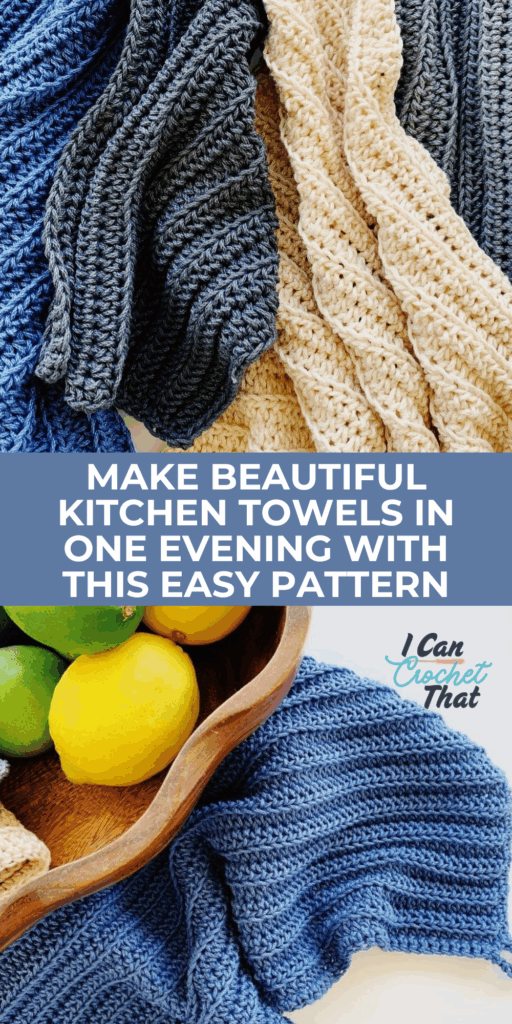
Credit: icancrochetthat.com
Preparing The Fabric
Start by measuring the fabric carefully. A common kitchen towel size is about 16 by 28 inches. Use a ruler or measuring tape for accuracy. Mark the fabric with a fabric pen or chalk.
Cut along the marks using sharp fabric scissors. Keep the edges straight to avoid uneven towels. Cutting precisely helps the towel look neat and professional.
Pre-wash the fabric to avoid shrinking later. Use warm water and mild detergent for best results. Dry it completely before moving on.
Iron the fabric after washing. This removes wrinkles and makes cutting easier. Use a medium heat setting to avoid damage.
Sewing The Towel
Start by folding the edges of the fabric about half an inch. This helps to create a clean and strong border. Use pins to keep the folds in place before sewing.
Sew along the folded edges using a straight stitch. Keep the stitches close to the fold for a neat finish. This step prevents the fabric from fraying.
Adding hems strengthens the towel and improves its look. Fold the edges twice to hide raw fabric inside. Sew along the inner fold to secure the hem.
- Fold edges twice for a clean hem
- Use straight stitch close to fold
- Pin edges before sewing for accuracy
- Keep stitches even and tight
Adding Finishing Touches
Decorative elementsbring charm to your kitchen towel. Choose simple designs like stripes or dots. Use fabric paint or embroidery thread for patterns. Small buttons or lace can add texture. Bright colors make towels stand out in any kitchen.
Labeling and personalizing give towels a special touch. Use fabric markers to write names or messages. Iron-on patches can add fun shapes or logos. Sewing initials with thread makes towels unique. Personal touches make towels great gifts or keepsakes.
Caring For Your Kitchen Towel
To keep your kitchen towel clean and fresh, wash it often in warm water. Use mild detergent to protect the fabric. Avoid bleach, as it can weaken fibers and fade colors. Dry towels fully to stop mildew and bad smells.
Sorting towels by color helps prevent stains. Washing new towels separately stops lint transfer. For stubborn stains, soak towels in warm water before washing.
| Tip | Why It Helps |
|---|---|
| Use mild detergent | Protects fabric and colors |
| Wash in warm water | Removes dirt and germs |
| Avoid bleach | Prevents fabric damage |
| Dry completely | Stops mildew and odors |
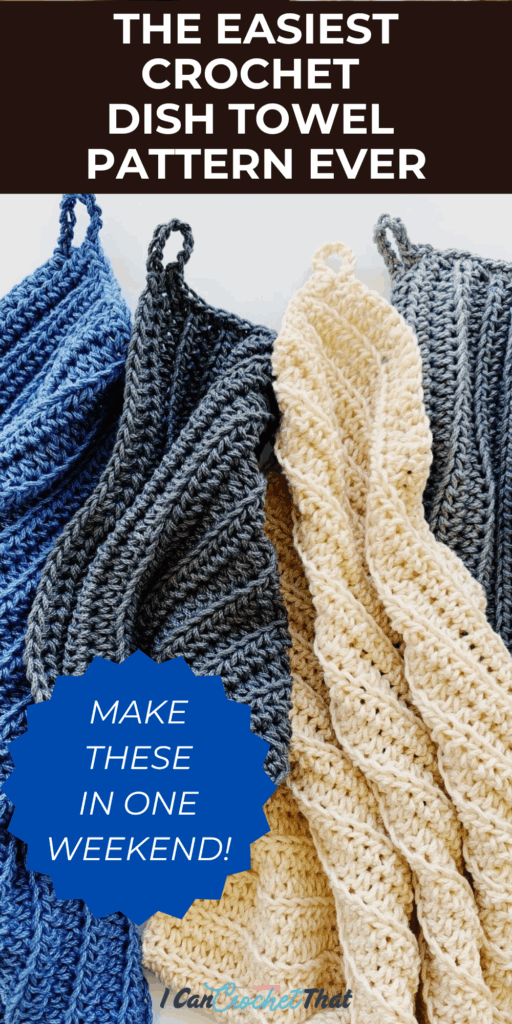
Credit: icancrochetthat.com
Frequently Asked Questions
What Materials Are Best For Making Kitchen Towels?
Cotton and linen are ideal materials for kitchen towels. They absorb moisture well and dry quickly. Both are durable and easy to clean, making them perfect for everyday kitchen use. Choosing natural fibers also ensures your towel is eco-friendly and safe for food contact.
How Do I Sew A Kitchen Towel Step-by-step?
Start by cutting fabric to size, usually 16×28 inches. Fold edges twice and sew to prevent fraying. Add a hanging loop if desired. Use straight stitches for durability. Press the seams flat for a neat finish. This method creates a simple, functional kitchen towel.
Can I Customize Kitchen Towels With Embroidery?
Yes, embroidery personalizes kitchen towels beautifully. Use simple patterns or initials to add charm. Choose embroidery thread that withstands washing. Embroidery enhances appearance without affecting towel absorbency. It’s a creative way to make unique gifts or kitchen decor.
How Often Should Kitchen Towels Be Washed?
Wash kitchen towels after 3 to 4 uses or sooner if heavily soiled. Frequent washing prevents bacteria buildup and odors. Use hot water and a strong detergent for best results. Regular washing maintains hygiene and keeps towels fresh and effective.
Conclusion
Creating your own kitchen towel is simple and rewarding. You can choose fabrics, colors, and patterns that suit your style. Personal touches make each towel unique and special. This DIY project also saves money and reduces waste. Plus, homemade towels make great gifts for friends and family.
Enjoy the satisfaction of crafting something useful and beautiful. So, gather your materials and get started today. Your kitchen will thank you for the personal touch. Happy crafting, and may your kitchen always be full of warmth and creativity.