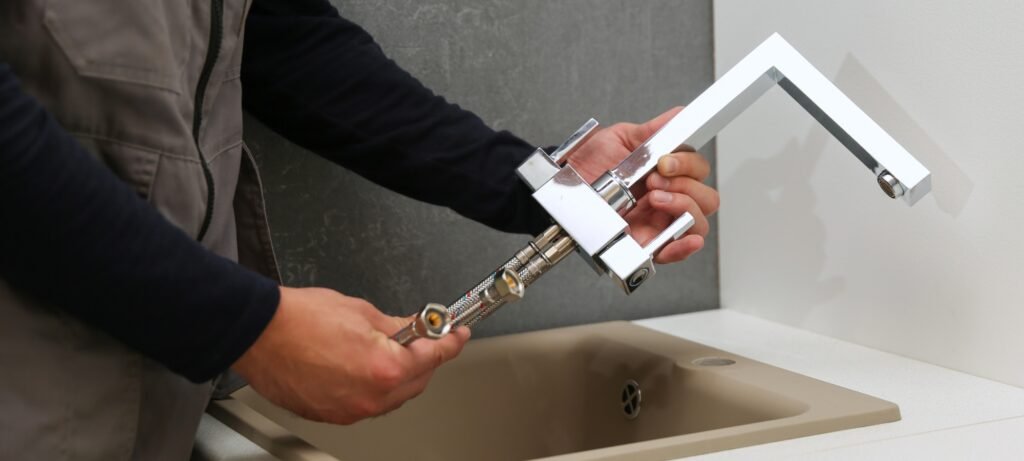
Is your kitchen faucet handle feeling loose and wobbly? That annoying drip or shaky grip can disrupt your daily routine and waste water without you even noticing.
But don’t worry—you don’t need to call a plumber or spend a fortune to fix it. In this guide, you’ll discover simple, step-by-step tips to tighten your faucet handle quickly and easily. By the end, your kitchen will feel more functional and comfortable, and you’ll save both time and money.
Ready to take control of that loose handle? Let’s get started!
Tools Needed
Fixing a loose kitchen faucet handle needs a few simple tools. Having these ready makes the job easier and faster.
- Screwdriver(flathead and Phillips) to remove screws
- Allen wrenchfor set screws on some handles
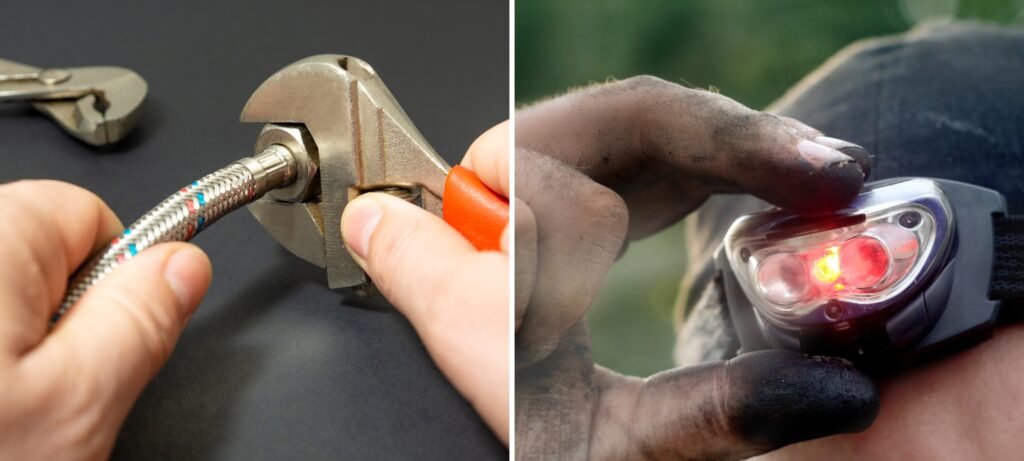
- Adjustable wrenchfor nuts and bolts
- Pliersto grip small parts firmly
- Flashlightto see inside tight spaces
- Cloth or ragto clean and protect surfaces
Having these tools close by helps avoid delays during repair. Most are common household items.
Identify The Problem
A loose kitchen faucet handle often results from a worn screw or a damaged cartridge. Checking these parts helps find the exact cause. Identifying the problem makes fixing easier and prevents further damage.
Check Handle Movement
Wiggle the faucet handle gently. See if it moves too much. Loose handles can be a sign of a problem. Tighten screws if they are loose. Use a screwdriver for this task. The handle should feel secure.
Inspect For Visible Damage
Look closely at the faucet handle. Check for cracks or broken parts. Damaged handles need replacing. Look under the sink for leaks. Water leaks can be a sign of more problems. Make sure to address them quickly.
Turn Off Water Supply
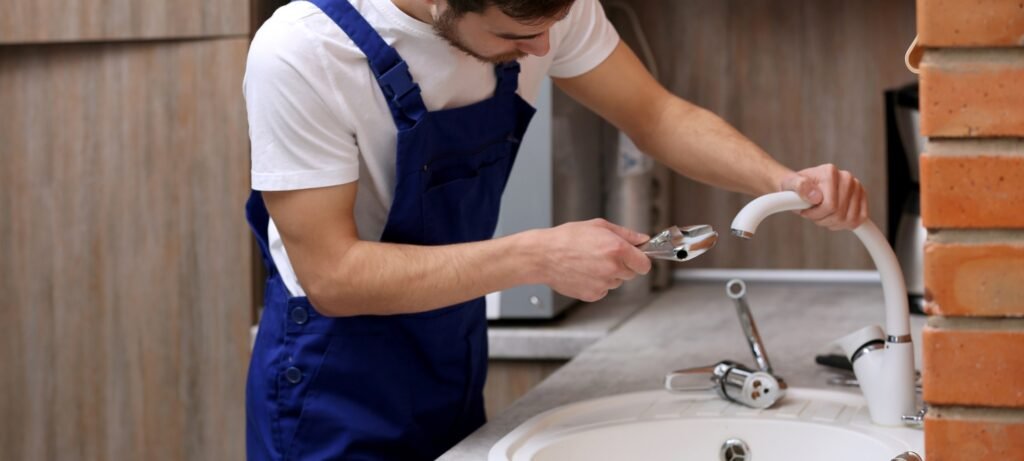
Locate the water shut-off valves under the sink. Turn each valve clockwise to close the water flow. This step is essentialto avoid water leaks while fixing the faucet handle. If no valves are under the sink, turn off the main water supply for the house. Test by turning the faucet handle to ensure water stops flowing. Keep a towel nearby to catch any drips. This helps keep the area dry and clean. Never skip this step to prevent water damage or flooding during repairs.
Credit: carolinagirlcooks.com
Remove Faucet Handle
First, find the set screwholding the faucet handle. It is usually hidden under a decorative cap or on the side of the handle. Use a flathead screwdriver or a small knife to pry off the cap gently. Look closely; the screw might be small and easy to miss.
Choose the right toolto remove the set screw. Most often, an Allen wrench (hex key) fits perfectly. Sometimes, a small screwdriver works better. Using the proper tool prevents damage to the screw or handle.
Tighten Or Replace Parts
Check the set screwunder the faucet handle. Use an Allen wrenchor screwdriver to tighten it. This often fixes the loose handle quickly. If the handle still moves, look for worn-out parts.
Replace any damaged washers, O-rings, or cartridges. These parts wear down with use and cause looseness. Take the old parts to a hardware store to find exact matches. Installing new parts can restore the handle’s tightness and stop leaks.
Reassemble Faucet
Carefully place all parts back in their original order. Make sure the handle sits properlyon the faucet stem. Tighten the screw that holds the handle securely.
Do not overtighten; just firm enough to stop wobbling. Check if the handle moves smoothly without any looseness. If it still feels loose, double-check the screw and any washers.
- Align handle correctly on the faucet stem
- Tighten the screw firmly but gently
- Test handle movement for smoothness
- Adjust or replace washers if needed
Test Handle Stability
Check if the faucet handle feels loose or wobbly. Gently move it side to side and up and down. A stable handle should not have much movement. If it moves easily, tightening is needed.
Look for a small screw near the base of the handle. This screw holds the handle in place. Use a screwdriver to turn it clockwise. Tighten it just enough to stop wobbling.
If there is no visible screw, the handle may snap on. Try to pull it off carefully. Inside, you might find a hidden screw to tighten.
Test the handle again after tightening. It should feel firm and not move around. Repeat tightening if needed, but do not over-tighten.
Credit: carolinagirlcooks.com
Prevent Future Looseness
Regular checks help keep the faucet handle tight and working well. Use a soft clothto clean around the handle. Dirt and grime can cause parts to loosen over time.
Apply a small amount of thread locking compoundto the screws. This stops them from turning loose. Make sure the compound is safe for plumbing use.
- Check the handle for wobbling every few months.
- Tighten screws gently if needed.
- Replace worn parts quickly to avoid bigger problems.
- Keep the area dry to prevent rust and damage.
These simple steps help stop the handle from getting loose again. A little care goes a long way.

Credit: www.youtube.com
Frequently Asked Questions
How Do I Tighten A Loose Kitchen Faucet Handle?
To tighten a loose handle, first turn off the water supply. Remove the decorative cap, then use a screwdriver or Allen wrench to tighten the set screw. Finally, reattach the cap and test the handle for firmness.
What Tools Are Needed To Fix A Loose Faucet Handle?
You typically need a screwdriver or Allen wrench, depending on the handle type. A cloth or towel can help protect the faucet finish during repairs. Sometimes, pliers are useful for removing stuck parts.
Why Does My Kitchen Faucet Handle Keep Loosening?
Handles loosen due to regular use, worn-out screws, or mineral buildup. Frequent adjustments or vibration can cause screws to back out. Regular maintenance and tightening can prevent this issue.
Can I Fix A Loose Faucet Handle Without A Plumber?
Yes, most loose faucet handles can be fixed with basic tools and simple steps. DIY repair saves money and time. Follow instructions carefully for safe and effective results.
Conclusion
Fixing a loose kitchen faucet handle is easier than it seems. Small tools and simple steps can make a big difference. Tighten screws carefully to avoid damage. Check the handle often to keep it steady. A secure handle helps prevent leaks and saves water.
Taking a little time now stops bigger problems later. Enjoy a smooth, steady faucet every day. Keep your kitchen working well with quick, easy fixes.