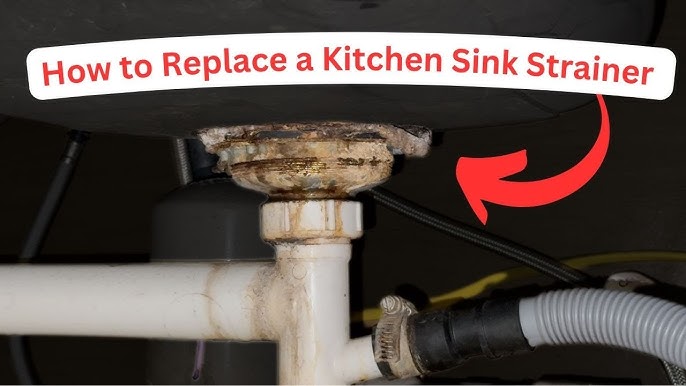
Is your kitchen sink drain acting up again? You’re not alone.
It’s one of those pesky household issues that can disrupt your day and make simple tasks a hassle. But don’t worry—fixing your kitchen sink drain doesn’t have to be a daunting task. Imagine the relief of having a smoothly running drain, free from clogs and unpleasant odors.
You can achieve this with just a few simple steps, and you don’t need to be a plumbing expert to get it done. You’ll learn how to quickly and effectively solve your sink drain problems, saving you time, money, and a lot of frustration. Let’s dive in and get your kitchen back to running like a well-oiled machine.

Credit: www.youtube.com
Common Causes Of Sink Drain Issues
Clogged pipes, food debris, and grease buildup often lead to sink drain issues. Solve these by cleaning the trap and using baking soda and vinegar for natural unclogging. Regular maintenance prevents recurring problems and keeps your kitchen sink functioning smoothly.
Clogged Pipes
Food bits can block pipes easily. Small items like rice or pasta can swell. Grease hardens and sticks to pipe walls. Hair and soap can mix and block water flow. Regular cleaning helps keep pipes clear.
Leaky Connections
Leaks often come from loose connections. Water drips can cause damage over time. Check for tight seals on the joints. Replace washers if they are worn out. Tighten nuts to stop water leaks.
Corroded Components
Metal parts can rust or corrode. Rust weakens the pipes and joints. Look for orange or green spots on metal. Replace any corroded parts quickly. Corrosion can lead to bigger problems.
Essential Tools And Materials
Fixing a kitchen sink drain requires basic tools like a wrench and plunger. Gather materials such as a bucket and plumber’s tape. Ensure safety by wearing gloves and goggles during the repair process.
Wrenches and pliers are key for fixing sink drains. Adjustable wrenches fit different nut sizes. Pliers grip and twist parts easily. Make sure to have both in your toolbox. They help with loosening and tightening parts. A drain snake is a long, flexible tool. It helps clear clogs in pipes. Insert it into the drain and twist. It grabs and pulls out debris. This tool is very handy for stubborn clogs. Plumber’s putty seals and stops leaks. Apply it around joints and seams. Plumber’s tape wraps around pipe threads. It prevents leaks by sealing connections. Both are essential for a good seal. `Safety Precautions
Always wear rubber gloves to protect your hands from sharp objects. Ensure the water supply is turned off before you begin any repairs. Use safety goggles to shield your eyes from splashes or debris.
Turn Off Water Supply
Find the main water valveunder the sink. Turn it clockwise to stop the water. Make sure all taps are off too. This prevents any unexpected water flow while you work. It’s important to check twice. Ensure no water drips or leaks.
Protective Gear
- Wear rubber glovesto keep hands clean and safe.
- Use gogglesto protect eyes from splashes.
- Keep a towelhandy for spills.
- Ensure the area is dry. Avoid slipping.
- Have a bucketready for water collection.
Removing And Cleaning The Drain
Removing and cleaning the kitchen sink drain can solve clogs and prevent future issues. Loosen the drain pipe, remove debris, and rinse thoroughly. Regular maintenance keeps your sink functioning smoothly and avoids unpleasant odors.
Detaching The Drain Trap
First, locate the drain trapunder the sink. The trap is a U-shaped pipe. Use a wrenchto loosen the slip nuts. Twist the nuts counterclockwise. Gently remove the trap and empty any water in a bucket. Check for any debris inside the trap. This is often the cause of clogs. Be careful not to damage the trap while cleaning.
Cleaning The P-trap
Inspect the P-trapfor blockages. You might see gunk or food particles. Use a brush or cloth to clean inside the trap. Rinse it with warm water. Ensure there is no residue left inside. Check the washers for wear and replace if needed. Reattach the trap securely. Tighten the slip nuts properly. This prevents leaks after cleaning.
Unclogging The Drain
Unclogging a kitchen sink drain can be simple. First, remove the stopper and clear visible debris. Use a plunger to dislodge any remaining blockage. For stubborn clogs, try a mixture of baking soda and vinegar, letting it sit before flushing with hot water.
Using A Plunger
Place the plunger over the drain hole. Ensure the rubber part covers the hole. Press down firmly. Pull up slowly. Repeat several times. This creates suction. It loosens clogs. Test by running water. Check if the drain clears. If not, try again.
Applying A Drain Snake
Insert the snake into the drain. Push it slowly down the pipe. Twist the handle gently. This catches debris. Pull the snake out. Remove any stuck debris. Run water to check the flow. Repeat if needed. Ensure the pipe is clean. This method helps clear tough clogs.
Fixing Leaky Connections
Fixing leaky connections under the sink is a common household task. Tighten loose nuts and replace worn washers to stop drips. Ensure all parts align correctly to prevent future leaks.
Inspecting Seals
Check the seals around the sink drain carefully. Look for any cracks or damage. A damaged seal can cause water leaks. Replace any worn-out seals immediately. Use a new rubber gasket for better sealing. Ensure the new seal fits tightly. This helps stop leaks effectively.Tightening Loose Joints
Loose joints cause leaks under the sink. Use a wrench to tighten loose joints. Twist gently to avoid breaking the pipes. Check each connection carefully. Tighten until it’s snug and secure. Avoid over-tightening to prevent damage. A secure joint stops water from escaping. `Reassembling The Drain
Reassemble the kitchen sink drain carefully. Align all parts correctly to ensure no leaks. Tighten screws and fittings securely.
Aligning Components
Ensure all parts are clean and dry. Place the rubber gasketon the sink hole. Align the drain piece with the hole. Make sure it fits snugly. Check if the parts are straight. Adjust as needed for a proper fit.
Securing Connections
Use a wrench to tighten the nuts. Hand-tighten first, then use the tool. Avoid over-tightening. It can break the parts. Ensure each connection is tight and secure. Turn on the water to check for leaks. Fix leaks by tightening or repositioning.

Credit: www.magnushomeproducts.com
Testing The Drain Functionality
Testing the drain functionality ensures smooth water flow in your kitchen sink. Check for clogs and leaks regularly. Run water to see if it drains quickly and without noise.
Checking For Leaks
Look under the sink for any water drips. Touch pipes to feel for dampness. Use a flashlight to see hidden spots. Water stains can show past leaks. Tighten loose connections to stop leaks. Check seals around the drain and pipes. Replace worn-out washers if needed. Leaks can waste water and cause damage.
Ensuring Smooth Water Flow
Run water and watch how it drains. Slow draining can mean a clog. Listen for strange noises. Bubbling sounds show air trapped in pipes. Clear any blockages using a plunger or snake. Remove debris from the drain stopper. Ensure water flows freely down the pipes. Smooth flow stops overflow and keeps the sink clean.
Preventive Maintenance Tips
Cleaning the sink drain is very important. Use hot water weekly. This helps remove any grease. Always use a strainer in the sink. The strainer catches food bits and hair. Make sure to empty the strainer often. This prevents clogs from forming.
Chemical cleaners can damage pipes. They are also not safe for the environment. Use baking soda and vinegar instead. Pour baking soda into the drain. Follow with vinegar. Wait for 10 minutes. Then flush with hot water. This natural method is safe and works well.

Credit: www.amazon.com
Frequently Asked Questions
How Do I Unclog My Kitchen Sink Drain?
To unclog your kitchen sink, start by using a plunger. If that doesn’t work, try a baking soda and vinegar solution. Pour hot water down the drain to clear any remaining debris. Regularly clean your sink to prevent future clogs.
What Causes A Kitchen Sink Drain To Clog?
Kitchen sink drains often clog due to food scraps, grease, and soap residue. Over time, these materials accumulate and block the drain. Regular cleaning and mindful disposal of waste can prevent these issues.
Can Baking Soda And Vinegar Fix A Clogged Drain?
Yes, baking soda and vinegar can help unclog drains. Pour baking soda into the drain, followed by vinegar. The chemical reaction can break down clogs. Finish with hot water to flush the debris away.
How Often Should I Clean My Kitchen Sink Drain?
Clean your kitchen sink drain every week to prevent clogs. Regular cleaning helps remove food particles, grease, and soap buildup. This practice maintains optimal drainage and reduces the risk of blockages.
Conclusion
Fixing a kitchen sink drain can be simple. Start with basic tools. Check for clogs. Remove debris carefully. Clean and reassemble parts. Ensure everything fits tightly. Test for leaks. Regular maintenance helps prevent future issues. Follow these steps, and your sink will work smoothly.
No need for expensive fixes. You can handle it yourself. Save time and money. Feel confident in your abilities. With patience, you can keep your kitchen running efficiently. Happy fixing!