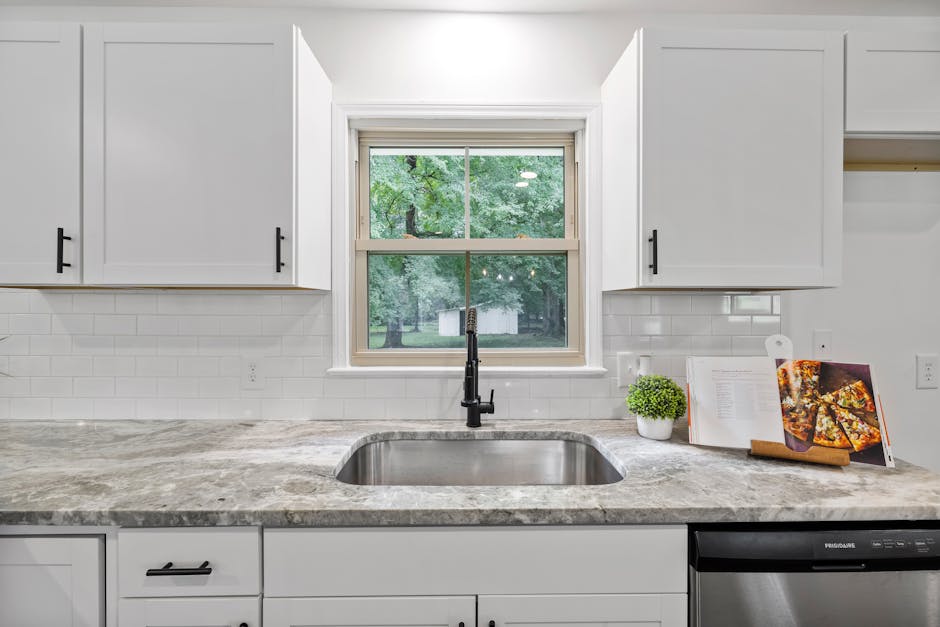
Are you tired of that old, clunky kitchen sink that seems to steal away the elegance of your countertops? Imagine a sleek, seamless look that not only elevates your kitchen’s style but also makes cleaning a breeze.
That’s the magic of an undermount kitchen sink. In this guide, you’ll discover how simple it is to transform your kitchen space with this modern upgrade. Whether you’re a seasoned DIY enthusiast or just starting out, you can achieve a professional look without breaking a sweat.
So, are you ready to take your kitchen to the next level? Keep reading and find out how you can effortlessly install an undermount kitchen sink and enjoy the benefits of a chic and functional kitchen.
Choosing The Right Sink
First, consider the size of your kitchen. You need a sink that fits well. Measure the space carefully. The sink must be big enough for dishes. But not too big for your countertop. Next, think about the material. Stainless steel is strong. Porcelain is pretty. Choose what suits your style.
Shape matters too. Rectangular sinks hold more dishes. Round sinks look neat. Pick what you like. Remember to check the depth. Deep sinks fit more pots and pans. Shallow sinks are easier to reach. Finally, consider your budget. Good sinks are affordable. Find one you can afford.
Gathering Essential Tools
Having the right tools is very important. Start with a tape measure. This helps check the sink size. Safety goggles protect your eyes from dust. Gloves keep your hands safe. Silicone sealant is needed for a tight fit.
Get a drill for making holes. Screwdriver helps with screws. Clamps hold the sink in place. Caulking gun is used for sealant application. Level tool ensures the sink is flat.
Prepare a bucket for catching water. Rags clean up spills. Pliers are handy for small adjustments. A helper can make things easier. Check you have all these before starting.
Preparing The Countertop
First, clean the countertopsurface. Make sure it’s free of dust and debris. Use a soft cloth and mild cleaner. Next, measure the sink area. Ensure it fits the countertop space.
Mark the cutout area on the countertop. Use a pencil for clear lines. Double-check your measurements. Accuracy is very important here.
Use a drill to make small holes. Place them at each corner of the marked area. This helps the saw blade fit in. Then, use a jigsaw to cut along the lines. Follow the marks carefully. Smooth out any rough edges with sandpaper. This prevents damage to the sink.
Check the fit of the sink. Place it in the cutout hole. Ensure it sits flush and even. Adjust if necessary. The countertop is now ready for sink installation.
Installing The Sink
The sink must be centered in the cabinet space. Mark spots for the sink clips. Drill holes for the clips carefully. Apply silicone sealant to the sink rim. Place the sink under the countertop. Secure the sink with clips tightly. Wipe excess sealant with a cloth.
Connect the drain pipes carefully. Tighten with a wrench if needed. Make sure no leaks occur. Test the water flow smoothly. Check for any drips or leaks. Adjust the pipes if necessary. Inspect the connections regularly.
Sealing And Securing
Use sealant around the sink edges. This helps to avoid leaks. Apply sealant evenly. Make sure no gaps are left. Use a caulking gun for smooth application. Press sink into place. Ensure it’s stable and firm. Check alignment with countertop. Adjust if needed. Let sealant dry properly. It takes a few hours.
Secure sink with mounting clips. These hold the sink tightly. Place clips under the countertop. Tighten them with screws. Use a screwdriver for this task. Check clips are evenly spaced. Ensure sink is level. Test by gently pressing. If it moves, tighten more. Keep the area clean during work.
Check for leaks after sealing. Use a flashlight to inspect edges. Look for gaps in sealant. Apply more if needed. Regular checks keep sink safe. Protects from water damage. Keeps your kitchen tidy and clean.
Testing For Leaks
First, plug the sink drain with a stopper. Fill the sink with water. Watch for any drips beneath the sink. Check around the sink edges too. Use a flashlight for better vision. Feel for moisture with your hand.
If you find leaks, tighten the sink clamps. Ensure the sink’s seal is good. Check the plumbing connections. The pipes should be snug and secure. If leaks persist, you may need a professional.
Testing is important for your kitchen’s health. It stops water damage early. Protect your cabinets and floors. Avoid costly repairs later. Regular checks keep your kitchen safe.
Frequently Asked Questions
What Is An Undermount Kitchen Sink?
An undermount kitchen sink is installed beneath the countertop, creating a seamless look. This style of sink allows for easy countertop cleaning, as there is no rim to catch debris. It offers a sleek, modern appearance and is popular in contemporary kitchen designs.
How Do You Install An Undermount Sink?
To install an undermount sink, first prepare the countertop by cutting an appropriate-sized opening. Secure the sink using clips and adhesive, ensuring a watertight seal. Finally, connect the plumbing. It’s recommended to hire a professional for precise installation, ensuring long-term durability and functionality.
Are Undermount Sinks More Expensive?
Undermount sinks generally cost more than traditional drop-in sinks. Their installation requires precise fitting and professional expertise, adding to overall expenses. However, many homeowners find their sleek appearance and easy maintenance worth the investment. Prices vary based on materials, brand, and additional features like soundproofing.
What Materials Are Best For Undermount Sinks?
Stainless steel, granite composite, and fireclay are popular materials for undermount sinks. Stainless steel is durable and affordable, while granite composite offers a stylish, scratch-resistant option. Fireclay provides a classic look but can be more expensive. Choose based on your kitchen’s style, budget, and durability needs.
Conclusion
Installing an undermount kitchen sink can transform your space. It’s a straightforward task with the right tools and guidance. Remember, measure carefully to ensure a perfect fit. Secure the sink firmly to prevent leaks. Clean the edges for a neat finish.
A well-installed sink adds elegance to any kitchen. It’s not just about function; it’s about style too. Keep your tools handy and follow each step closely. With patience, you can achieve a professional look. Your kitchen will thank you for the upgrade.
Enjoy the seamless design and added convenience. Happy installing!