Is your KitchenAid dishwasher not draining properly? You’re not alone, and fixing it might be easier than you think.
Knowing how to drain your dishwasher correctly can save you time, prevent damage, and keep your kitchen running smoothly. You’ll discover simple, step-by-step tips to get your dishwasher draining like new again. Keep reading, and you’ll learn exactly what to do—no confusion, no hassle.
Signs Your Dishwasher Needs Draining
Water pooling insidethe dishwasher is a clear sign it needs draining. This water can cause damage and make dishes dirty again.
Unpleasant odorsoften come from leftover food and standing water. Draining helps remove this bad smell and keeps your dishwasher fresh.
Incomplete drain cyclesmean water stays inside after the wash. This can happen due to clogs or a faulty drain pump. Draining the dishwasher can fix this issue quickly.
Tools Needed For Draining
Draining a KitchenAid dishwasher needs some basic household itemsand sometimes optional plumbing tools. Most times, simple tools do the job well.
- Bucketto catch water
- Towelsto clean spills
- Screwdriverfor removing panels
- Pliersto loosen clamps or hoses
- Wet/dry vacuumto suck out water
Optional tools can help if the problem is harder. These include a wrenchor a hose clamp tool. These tools help with tight parts or stubborn hoses.
Step-by-step Draining Process
Begin by turning off the dishwasher and unplugging it for safety. Next, locate the drain hose and remove any blockages carefully. Finally, run a drain cycle or use a wet vacuum to clear remaining water from the dishwasher.
Turn off the dishwasher’s power. Unplug it from the wall. Turn off the water supply. Safety comes first. Take out the bottom rack. Place it aside. This gives better access to the drain. Find the drain filter at the bottom. Carefully remove it. Clean away food scraps and debris. Rinse under running water. Use a small cup to scoop out water. Empty the water into a sink. Wipe the remaining water with a towel. Inspect the drain hose for clogs. Detach it carefully. Flush with water to clear blockages. Plug the dishwasher back in. Turn on the power. Select a drain cycle. Ensure all water is expelled. `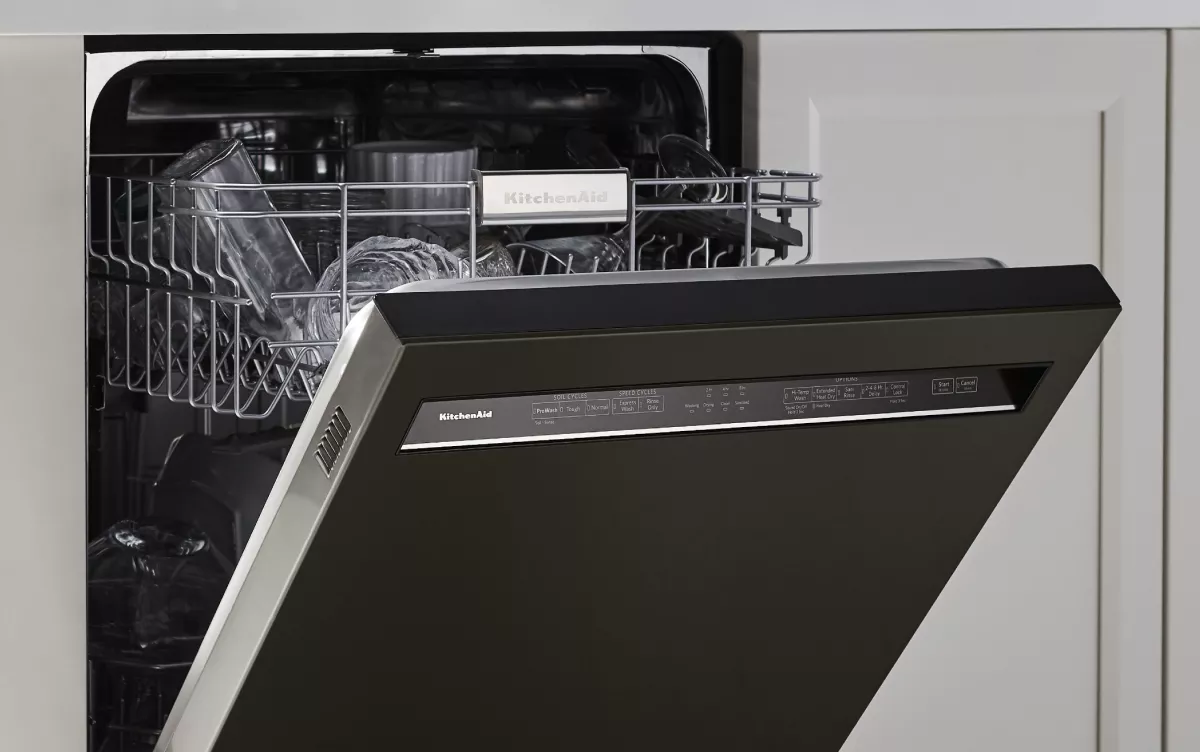
Credit: www.kitchenaid.com
Common Drainage Problems
Clogged drain hosestops water from leaving the dishwasher. Dirt and food bits can block the hose. This causes water to stay inside and the dishwasher won’t drain properly. Cleaning or replacing the hose can fix this problem.
Blocked garbage disposal connectioncan also cause drainage issues. Food scraps may clog the disposal where the dishwasher drains. Make sure the disposal is clear to let water flow freely. Running the disposal can help clear blockages.
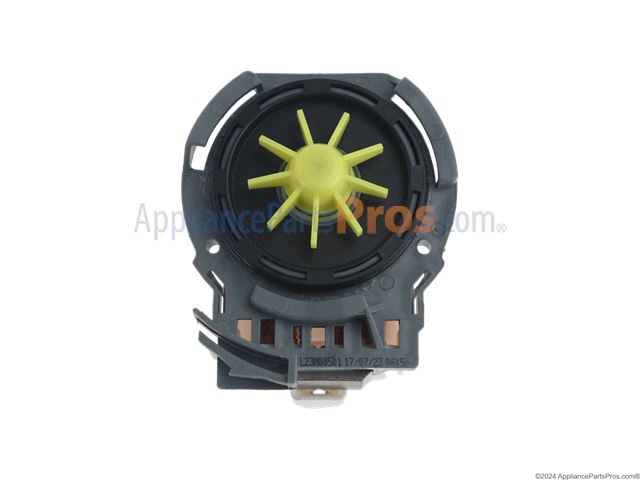
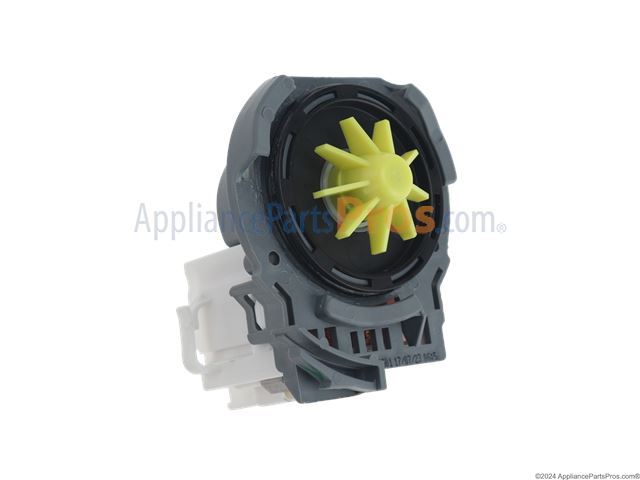
Faulty drain pumpis another common cause. The pump moves water out of the dishwasher. If it breaks or gets stuck, water cannot drain. Replacing the pump often solves this issue and restores normal drainage.
Preventing Future Drain Issues
Regular cleaninghelps stop food and grease build-up. Clean the filter every week. Wipe the door seals to remove dirt. Run an empty cycle with vinegar to clear pipes.
Proper loadingallows water to flow freely. Avoid blocking the spray arms. Place large items on the sides, not the bottom. Keep small items secure so they don’t fall.
Choose dishwasher-safe detergents. Harsh chemicals can damage parts. Use the right amount to avoid residue. Powder or gel detergents often work best.

Credit: www.youtube.com
Credit: www.appliancepartspros.com
Frequently Asked Questions
How Do You Manually Drain A Kitchenaid Dishwasher?
To manually drain, locate the drain hose under the sink. Disconnect it carefully and drain water into a bucket. Reconnect the hose securely to avoid leaks. This process helps remove standing water if the dishwasher won’t drain automatically.
Why Is My Kitchenaid Dishwasher Not Draining?
Common causes include clogged filters, blocked drain hose, or a faulty drain pump. Check and clean filters and hose. If problems persist, the drain pump may need repair or replacement to restore proper drainage.
Can I Use Vinegar To Clean The Drain Of My Dishwasher?
Yes, vinegar helps break down grease and debris in the drain. Pour a cup of white vinegar into the bottom of the dishwasher and run a hot water cycle. This method keeps drains clear and reduces odors safely.
How Often Should I Clean My Kitchenaid Dishwasher Drain?
Clean the drain and filters every 1 to 3 months. Regular cleaning prevents clogs and ensures efficient drainage. Frequent maintenance extends your dishwasher’s lifespan and keeps it running smoothly.
Conclusion
Draining a Kitchenaid dishwasher is simple with the right steps. Always start by turning off the power for safety. Check the drain hose and clean any blockages. Use the dishwasher’s drain cycle or manually remove water if needed. Regular maintenance helps avoid future drainage problems.
Following these tips keeps your dishwasher working well. Easy to do, saves time and money. Try it yourself and keep your kitchen running smoothly.