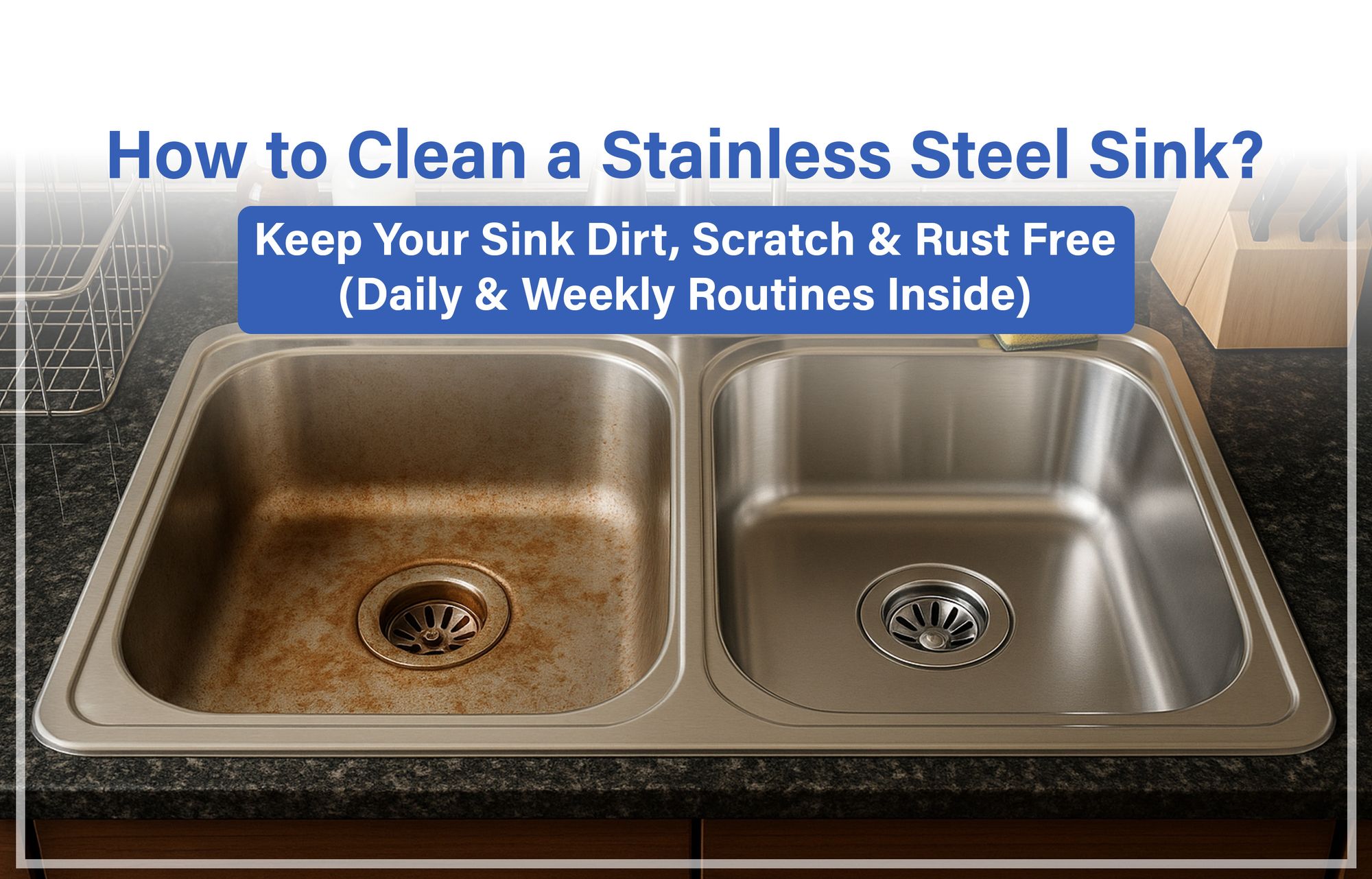
Is your kitchen sink looking dull and rusty? Rust not only makes your sink look old but can also damage the surface over time.
You might think removing rust is tough, but with the right steps, you can restore your sink’s shine quickly and easily. In this guide, you’ll discover simple, effective ways to get rid of rust using items you probably already have at home.
Keep reading, and you’ll learn how to bring back your sink’s clean, fresh look without spending a fortune or hiring a pro. Your kitchen deserves it!
Credit: www.bobvila.com
Causes Of Rust In Kitchen Sinks
Rust forms in kitchen sinks mainly due to water exposureand metal contact. Water that stays on the surface for long times causes rust spots. Scratches or chips in the sink’s coating expose the metal underneath. This leads to rusting.
Common sources of rust include:
- Metal utensils left wet in the sink
- Iron particles in water
- Rusty cans or tools placed inside the sink
- Hard water deposits causing corrosion
Some materials rust more easily. For example, sinks made of low-grade stainless steelor cast ironare more vulnerable. High-quality stainless steel resists rust better. Coated or enamel sinks can chip, exposing metal and causing rust.

Credit: www.reddit.com
Tools And Materials Needed
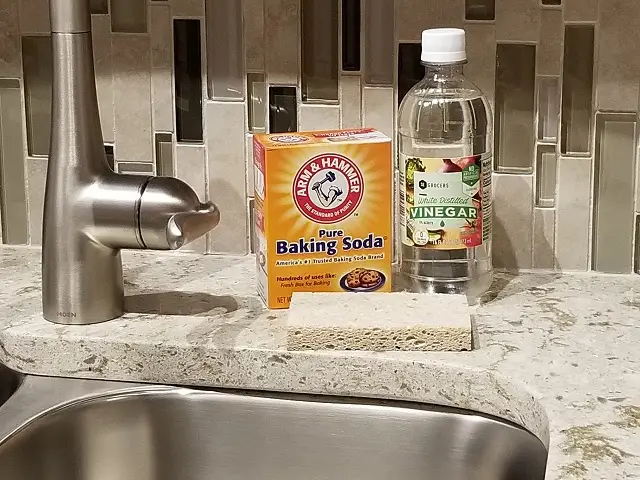
Common household items work well to remove rust from kitchen sinks. Baking sodaacts as a gentle scrub. White vinegarhelps dissolve rust stains. Lemon juicebrightens and cleans. Saltcombined with lemon juice creates a natural abrasive paste. Use a soft cloth or sponge to avoid scratching the sink surface.
Specialized cleaners designed for rust removal can be more effective on tough stains. Look for products containing oxalic acidor phosphoric acid. Always follow the instructions on the label. Wear gloves to protect your skin. Test on a small area first to ensure no damage occurs.
Effective Rust Removal Methods
Removing rust from a kitchen sink can be simple using household items like baking soda and vinegar. Scrub gently with a soft brush to avoid damage. Regular cleaning prevents rust buildup and keeps the sink looking new.
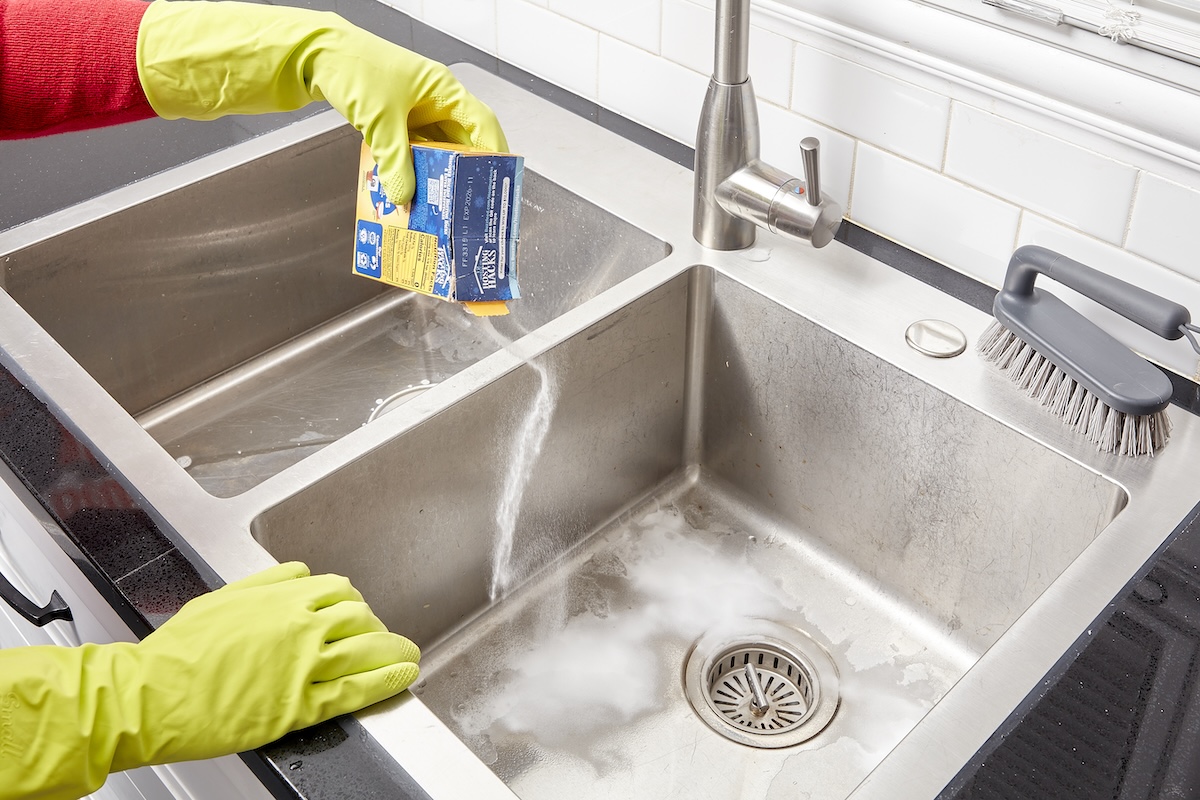
Mix baking soda with water to form a paste. Spread the paste on the rust. Pour vinegar over the paste. Let it sit for 10 minutes. Scrub gently with a soft brush. Rinse with water and dry the sink. Sprinkle salt on the rust spots. Squeeze fresh lemon juice over the salt. Let it sit for 5 minutes. Scrub with a soft cloth. Rinse with water and wipe dry. Read the instructions on the rust remover bottle. Apply the remover on rust spots. Wait for the recommended time. Scrub with a soft brush. Rinse thoroughly with water. Dry the sink completely. Choose a soft abrasive pad. Gently scrub the rust spots. Do not press too hard. Rinse with water and dry the sink. Be careful not to scratch the surface. `Preventing Future Rust
Keep the kitchen sink clean to stop rust from coming back. Wipe it down every day to remove water drops and food bits. Use a soft cloth and mild soap for cleaning. Avoid harsh scrubs that can scratch the sink surface.
Applying a protective coating helps block moisture and air, which cause rust. Use products made for metal sinks, like wax or sealants. This layer keeps the sink shiny and safe from rust.
Good sink care means fixing leaks fast. Standing water can cause rust spots. Also, avoid leaving metal cans or steel wool in the sink for long. These can leave rust stains.
When To Call A Professional
Persistent rust stains that resist home cleaning may need expert help. Call a professional if rust spreads deeply or causes sink damage. They have the tools and skills to restore your kitchen sink safely.
Severe Rust Damage
Severe rust damagecan weaken your kitchen sink’s structure. Rust that has eaten through the metal may cause leaks or holes. This kind of damage is hard to fix with simple home methods. A professional can assess if the sink needs repair or replacement. They have the tools to handle deep rust safely and effectively.
Material Replacement Options
| Material | Pros | Cons |
|---|---|---|
| Stainless Steel | Durable, rust-resistant, easy to clean | Can scratch easily, noisy when in use |
| Porcelain | Looks nice, smooth surface | Can chip or crack, heavy |
| Composite Granite | Strong, stain-resistant, variety of colors | Expensive, requires special cleaning |
Credit: www.dkhardware.com
Frequently Asked Questions
How Can I Remove Rust From A Kitchen Sink Naturally?
Use lemon juice or white vinegar on the rust spot. Let it sit for 10-15 minutes. Scrub gently with a soft brush. Rinse with water and dry. These natural acids break down rust without harsh chemicals.
What Household Items Effectively Remove Rust Stains?
Baking soda, lemon juice, and white vinegar work well. Make a paste with baking soda and water. Apply it on rust, let sit, then scrub. These common items are safe and eco-friendly rust removers.
Is It Safe To Use Commercial Rust Removers On Sinks?
Yes, but follow instructions carefully. Wear gloves and ensure proper ventilation. Test on a small area first to avoid damage. Commercial products are strong and effective but may be harsh on some sink materials.
How Do I Prevent Rust From Returning On Kitchen Sinks?
Keep the sink dry after use to prevent rust. Wipe away standing water and clean regularly. Apply a thin layer of mineral oil to protect the surface. Avoid leaving metal objects wet in the sink.
Conclusion
Rust stains can ruin the look of your kitchen sink. Removing rust keeps your sink clean and fresh. Use safe, simple methods to treat rust quickly. Regular cleaning helps prevent rust from coming back. Small efforts make a big difference in your kitchen.
Keep your sink shiny and rust-free every day. Now, you can enjoy a spotless sink again.