If you love fresh pasta but think making it from scratch is too hard, you’re about to change your mind. KitchenAid pasta attachments turn your mixer into a pasta-making machine, making it simple and fun.
Whether you want classic spaghetti, fettuccine, or even ravioli, these tools help you create restaurant-quality pasta right at home. In this guide, you’ll learn exactly how to use your KitchenAid pasta attachments step-by-step, so you can impress your family and friends with delicious homemade pasta every time.
Ready to elevate your cooking and enjoy pasta like never before? Let’s dive in!
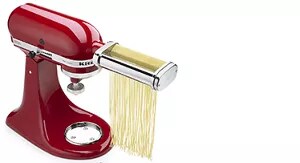
Credit: www.kitchenaid.ca
Choosing The Right Pasta Attachment
KitchenAid offers several pasta attachments for different shapes. Each attachment fits on the mixer easily. Choose the right one based on the pasta you want.
- Spaghetti attachment:Makes thin, round noodles.
- Fettuccine attachment:Creates wide, flat noodles.
- Ravioli attachment:Helps form filled pasta pockets.
- Lasagna attachment:cuts flat sheets of pasta.
- Angel hair attachment:produces very thin pasta strands.
Match the attachment to your recipe for best results. For example, use the spaghetti attachment for classic spaghetti dishes. The ravioli attachment works well for stuffed pasta meals. Each tool gives pasta the right shape and size.
Preparing The Dough
Use simple ingredients like flour, eggs, salt,and a little water. The flour type affects the dough texture. All-purpose flour works well for most pasta. Use fresh eggs for better taste and color. A pinch of salt enhances flavor.
Mix the ingredients until combined. The dough should be firm but not sticky. Knead the dough on a clean surface for about 10 minutes. This makes it smooth and elastic. Cover the dough with a cloth and let it rest for 20-30 minutes. Resting helps gluten relax for easier rolling.
Attaching To The Mixer
Make sure the mixer is turned offand unplugged before attaching.
Align the pasta attachment with the mixer’s hub.
Insert the attachment firmly into the hub until it fits snugly.
Secure the attachment by tightening the hub screw with a screwdriver.
Check that the attachment does not wobble or move during use.
- Keep hands and utensils away from the moving parts.
- Do not force the attachment if it feels stuck.
- Use only attachments made for your specific mixer model.
- Always unplug the mixer before changing attachments.
- Clean the attachment thoroughly after each use to avoid food build-up.
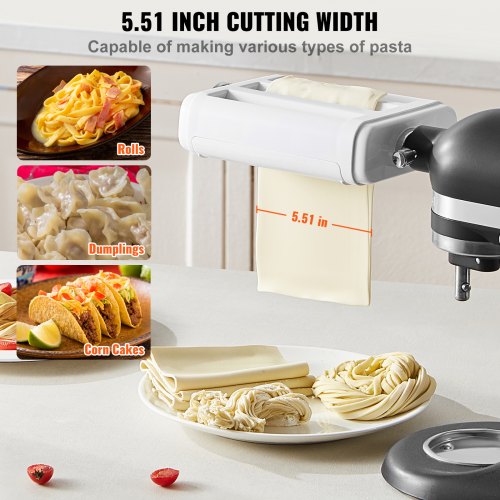
Credit: www.vevor.ca
Rolling Out The Dough
Roll dough evenly using the KitchenAid pasta attachment for smooth, thin sheets. Adjust thickness settings to get the perfect pasta texture every time. Keep dough lightly floured to prevent sticking during rolling.
Setting The Thickness
Start by choosing the right thickness setting. Set it to number one for the thickest dough. Gradually change the settings to make it thinner. This helps in getting the right thickness.
Feeding Dough Through The Roller
Take a small piece of dough. Flatten it with your hands a bit. Feed it through the roller slowly. Use your hands to guide it. Repeat until you get smooth sheets.
Shaping Pasta With Attachments
The Spaghetti Cutterattachment creates thin, round pasta strands. Roll the dough evenly before feeding it into the cutter. The machine will slice the dough into long, smooth spaghetti.
The Fettuccine Cuttermakes wider, flat noodles. Use dough rolled to the right thickness. Feed it slowly to get even strips of pasta perfect for sauces.
The Ravioli Makerhelps form filled pasta pockets quickly. Place a sheet of dough on the attachment, add filling evenly, then cover with another dough sheet. The roller presses and cuts perfect ravioli shapes.
- Use firm dough for best results with all cutters.
- Dust flour on dough to avoid sticking.
- Feed dough slowly for even cutting.
- Clean attachments after use to keep them working well.

Credit: recipesdunnright.com
Drying And Storing Pasta
Drying fresh pastahelps keep it from sticking together. Spread pasta in a single layer on a clean cloth or drying rack. Let it air dry for at least 15 minutes. Pasta should feel dry on the surface but still soft inside. Avoid stacking pasta while drying. This stops clumping and breaks.
For storing fresh pasta, use airtight containers or resealable bags. Place a small amount of flour or cornmeal inside to stop sticking. Fresh pasta can be stored in the fridge for up to 2 days. For longer storage, freeze pasta flat on trays, then transfer to bags. This keeps pasta fresh and easy to cook later.
Cleaning And Maintenance
After using the pasta attachments, remove any dough pieces quickly. Use a soft brush or cloth to clean hard-to-reach areas. Avoid using water as it can cause rust or damage.
For stuck dough, gently scrape with a wooden or plastic tool. Never use metal objects to avoid scratches. Let the attachments air dry completely before storing.
- Keep attachments in a dry place to prevent rust.
- Store in their original box or a sealed container.
- Place paper towels between pieces to avoid scratching.
- Check attachments regularly for any damage or dirt.
Troubleshooting Common Issues
Dough stickingto the pasta roller can slow down your work. Make sure the dough is not too wet. Dust it lightly with flour to reduce stickiness. Clean the rollers often to keep them smooth and free of dough bits. Avoid pressing the dough too hard into the rollers.
Uneven pasta thicknesshappens if the dough is not rolled evenly. Roll the dough into a flat sheet first. Feed the dough slowly and evenly through the attachment. Adjust the thickness setting step by step, not in big jumps. Make sure the dough is the same thickness before cutting.
| Issue | Cause | Solution |
|---|---|---|
| Dough Sticking | Dough too wet or sticky rollers | Use less water, dust with flour, clean rollers |
| Uneven Thickness | Uneven dough, fast feeding | Roll dough flat first, feed slowly, adjust settings gradually |
Frequently Asked Questions
How Do I Attach Pasta Rollers To Kitchenaid Mixer?
To attach pasta rollers, first remove the mixing bowl. Insert the attachment into the power hub. Tighten the knob securely. Ensure it fits snugly before use.
What Dough Consistency Is Best For Kitchenaid Pasta Attachments?
Use firm, smooth dough without stickiness. It should hold shape but not be dry. Proper dough ensures even rolling and cutting.
Can I Make Different Pasta Shapes With Kitchenaid Attachments?
Yes, KitchenAid offers various attachments like spaghetti, fettuccine, and ravioli makers. Each creates unique pasta shapes easily.
How Do I Clean Kitchenaid Pasta Attachments Safely?
Avoid water. Use a dry brush or cloth to remove flour and dough. Store in a dry place to prevent rust.
Conclusion
Using KitchenAid pasta attachments makes pasta making simple and fun. These tools help you create fresh pasta quickly at home. You can try different shapes and flavors with ease. Practice a few times to get comfortable with the process. Enjoy the taste of homemade pasta with your family and friends.
Keep your attachments clean and store them safely. Start your pasta cooking adventure today and enjoy every bite!