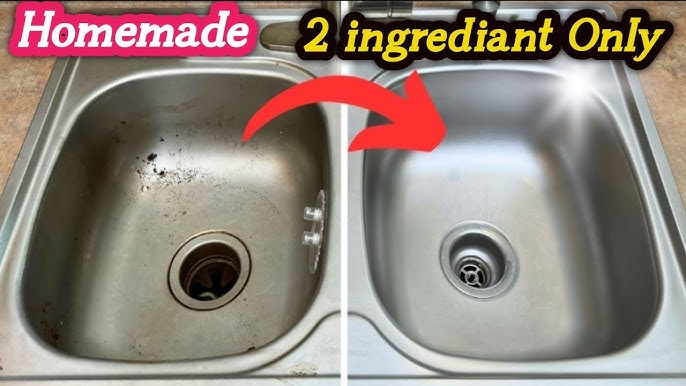
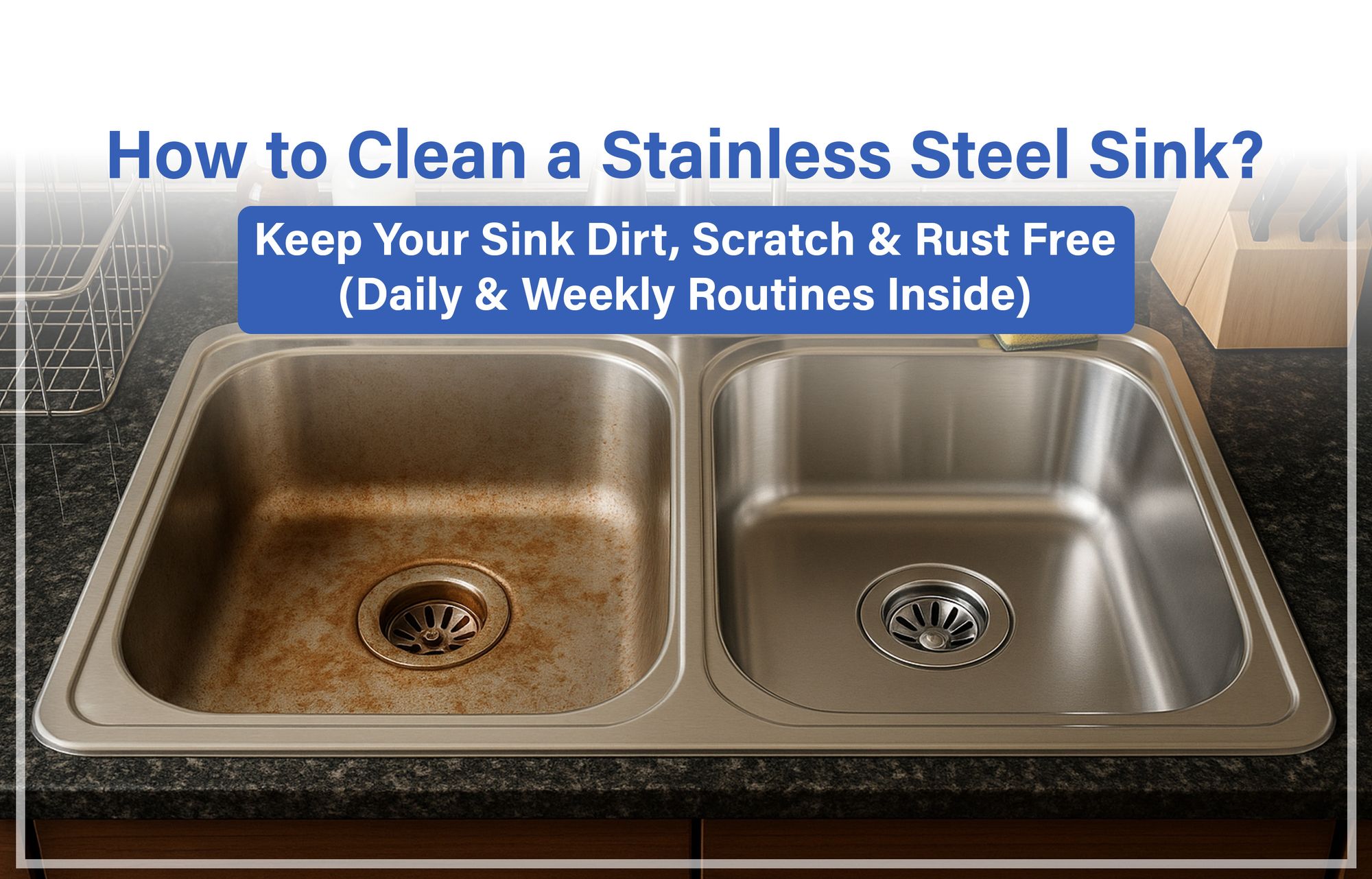
Your kitchen sink gets used every day, and if it’s made of stainless steel, you want it to stay shiny and spotless. But cleaning it can feel like a hassle, especially when water spots, stains, and grime start to build up.
What if you could make your sink look brand new with simple steps you can do right now? You’ll discover easy and effective ways to clean your stainless steel sink that save you time and effort. Keep reading to transform your sink into a sparkling centerpiece of your kitchen!
Credit: www.dkhardware.com
Prepare The Sink
Remove all dishes, food, and trash from the sink. Clear the countertop around the sink to avoid mess. Rinse the sink with warm water to wash away loose dirt and debris.
Gather the right cleaning supplies before starting. You’ll need:
- Mild dish soap
- Baking soda
- White vinegar
- Soft sponge or cloth
- Old toothbrush (for tight spots)
- Microfiber towel for drying
Having everything ready makes cleaning faster and easier. It also helps protect the stainless steel from scratches.
Credit: modern-maids.com
Remove Food Debris
Rinse the sink with warm waterto loosen food bits. Warm water helps remove grease and sticky residues. This step makes cleaning easier and faster.
Use a soft brushto scrub gently. It cleans without scratching the surface. Focus on corners and edges where debris hides. Soft bristles protect the sink’s shine.
Apply Cleaning Solution
Select a cleaner made for stainless steelsurfaces. Look for one with no harsh chemicals. A mild dish soap works well. Mix it with warm water. This makes a gentle cleaning solution. Vinegar is also a good choice. It cuts through grease and grime. A paste of baking soda and water works too. It can remove stains.
Stay away from bleach and strong acids. These can damage your sink. They can also leave spots. Use natural cleaners instead. They are safer and eco-friendly. They keep your sink shiny and clean. Remember to rinse the sink well after cleaning. This helps remove any cleaner residue.
Scrub The Surface
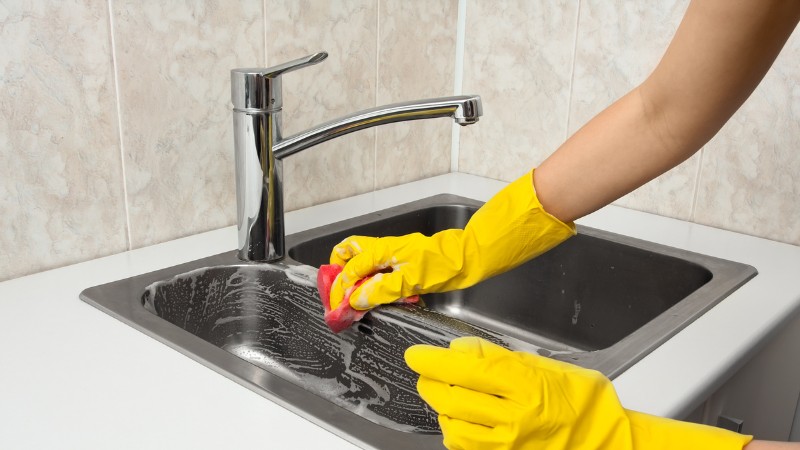
Use a soft brush or sponge to gently scrub the stainless steel sink surface. Focus on areas with stains or grime to remove dirt effectively. Rinse well with water to clear away residue and keep the sink shiny.
Use Non-abrasive Tools
Use soft sponges or cloths to clean the sink. Avoid rough scrubbers that can scratch the steel. Scrubbing gently helps keep the surface smooth and shiny. Soft tools remove dirt without damage.
Focus On Stains And Spots
Target stains by scrubbing them carefully. Use mild soap mixed with warm water. For tough spots, a paste of baking soda and water works well. Apply it on stains and rub gently. Rinse with clean water to remove all residue.
Rinse Thoroughly
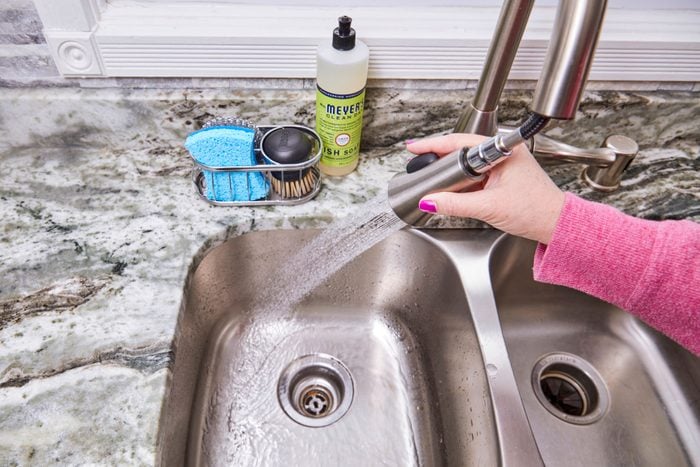
Use warm waterto rinse the sink thoroughly. Warm water helps to loosen any stuck-on dirt or food. Run the water over the entire surface for a few minutes.
Check carefully for any residueleft behind. Look around the drain, corners, and edges where grime can hide. Use a soft cloth or sponge to wipe these areas.
- Warm water removes grease and grime easily.
- Rinsing well stops buildup and keeps the sink shiny.
- Inspect all parts to avoid missed spots.
Credit: www.rd.com
Dry And Polish
Use a soft clothto dry the sink after cleaning. This stops water spots and streaks. Avoid rough materials that can scratch the surface.
Apply a small amount of stainless steel polishto the cloth. Gently rub the polish on the sink in the direction of the grain. This helps restore shine and remove smudges.
- Use circular motions for even coverage.
- Let the polish sit for a few minutes.
- Buff with a clean, dry cloth until the sink looks shiny.
Prevent Future Stains
Wipe the sink dry after each use to stop water spots and stains. Use a gentle cleaner regularly to keep the surface shiny and clean. Avoid leaving food or harsh chemicals in the sink to protect the steel.
Regular Cleaning Routine
Clean your stainless steel sink often to stop stains. Use mild soap and warm water for daily cleaning. Wipe the sink dry after each use. This prevents water spots and mineral deposits. Avoid harsh cleaners that can damage the steel.
Avoid Leaving Standing Water
Do not leave water in the sink for long. Standing water can cause rust and stains. Always dry the sink with a soft cloth after washing dishes. This simple habit keeps your sink shiny and clean for longer.
Frequently Asked Questions
How Often Should I Clean My Stainless Steel Kitchen Sink?
Clean your stainless steel sink at least once a day to prevent stains and buildup. Regular cleaning keeps it shiny and hygienic.
What Household Items Are Best For Cleaning Stainless Steel Sinks?
Use baking soda, vinegar, and mild dish soap for effective and safe cleaning. Avoid harsh chemicals to protect the steel finish.
How Can I Remove Water Spots From A Stainless Steel Sink?
Wipe water spots with a soft cloth soaked in vinegar. Rinse and dry thoroughly to restore the sink’s shine.
Is It Safe To Use Bleach On Stainless Steel Sinks?
Avoid using bleach as it can damage the protective layer. Instead, use gentle cleaners to maintain the sink’s durability.
Conclusion
Cleaning your stainless steel kitchen sink keeps it shiny and fresh. Use gentle cleaners and soft cloths to avoid scratches. Regular care stops stains and water spots from building up. Rinse well after cleaning to remove all residue. Dry the sink with a towel to keep it spotless.
Small daily habits make a big difference. A clean sink makes your kitchen feel brighter and more inviting. Simple steps bring lasting results and easy maintenance. Keep your sink looking great with these easy tips.