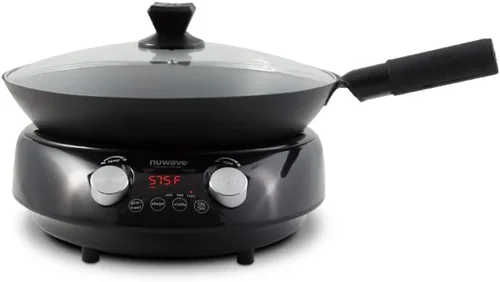
Welcome to the definitive guide for selecting the perfect wok to complement your electric stove. For countless home cooks, the allure of stir-frying, with its vibrant flavors and quick cooking times, is undeniable. However, navigating the world of woks when you have an electric stove can present unique challenges. Unlike the direct, intense heat of a gas burner that allows for the traditional round-bottom wok, electric stoves require a different approach to ensure even heating, stability, and optimal cooking performance.
This guide is meticulously crafted to empower you with expert knowledge, transforming what might seem like a complex decision into a straightforward process. We’ll delve into the nuances of materials, design, and features that make a wok not just compatible, but truly exceptional for electric heat. Whether you’re a seasoned chef looking to upgrade or a beginner eager to master the art of stir-frying, understanding these critical distinctions is your first step towards culinary success.
By the end of this comprehensive article, you will be equipped to confidently choose a wok that perfectly matches your electric stove, cooking style, and budget. We’ll break down the jargon, offer practical advice, and highlight the crucial factors that will elevate your stir-frying experience. Prepare to unlock the full potential of your electric kitchen and discover the joy of perfectly executed Asian cuisine, right in your own home.

What to Look for When Buying Buying Guide
1. Material Composition
The material of your wok is paramount, especially when paired with an electric stove, as it dictates heat conductivity, retention, and overall responsiveness. For electric stoves, you need materials that distribute heat efficiently and evenly across the flat bottom. Carbon steel is a traditional favorite, revered for its rapid heating, excellent heat retention, and ability to develop a natural non-stick seasoning over time. It responds quickly to temperature changes, which is vital for stir-frying. However, it requires diligent seasoning and maintenance. Cast iron woks offer superior heat retention and even heat distribution, making them great for searing and holding high temperatures. They are slower to heat up and heavier, but once hot, they maintain temperature exceptionally well. They also benefit from seasoning. Stainless steel woks are durable, non-reactive, and easy to clean, but typically offer poorer heat conductivity compared to carbon steel or cast iron. Look for multi-ply or encapsulated bottom stainless steel woks that sandwich an aluminum or copper core for better performance. Lastly, non-stick coated aluminum woks are lightweight, heat quickly, and are incredibly easy to clean, making them beginner-friendly. However, their non-stick coating can degrade over time, especially at the high temperatures often used in stir-frying.
2. Wok Shape and Bottom Design
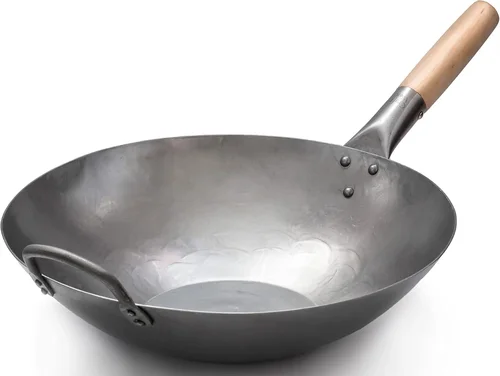
This is perhaps the single most critical factor for electric stoves. Traditional woks have a round bottom, ideal for gas flames that envelop the entire surface. Electric stoves, whether coil, radiant glass-top, or induction, rely on direct contact with a flat surface for efficient heat transfer. Therefore, a flat-bottom wok is an absolute necessity. The flat base must be wide enough to maximize contact with the heating element, ensuring uniform heat distribution across the cooking surface and preventing wobbling. A flat bottom diameter of 5 to 6 inches is often ideal for most electric burners. While the bottom is flat, the sides should still curve upwards gently and generously, mimicking the traditional wok shape to allow for proper stir-frying techniques like tossing and moving food up and down the sides for varying temperatures.
3. Size and Weight
The ideal wok size depends on your household size and cooking habits. For individuals or couples, a 12-inch wok is often sufficient. For families of four or more, a 14-inch wok is generally a better choice, offering ample space to prevent overcrowding, which can steam food instead of stir-fry it. Larger woks, up to 16 inches, are available but can be challenging to manage and store, and might not fit comfortably on all electric burners. The weight of the wok is also an important consideration. While heavier woks (like cast iron) offer superior heat retention, they can be cumbersome to lift and maneuver, especially when full. A lighter wok (like carbon steel or aluminum) allows for easier tossing and pouring, but too light may indicate a thin material that heats unevenly and scorches food.
4. Handle Type and Design
Wok handles come in two primary configurations: a single long stick-handle (often called a “Northern” style) or two smaller loop-handles (a “Southern” style, or Cantonese handles). A single long handle, typically made of wood or heat-resistant plastic, is excellent for tossing and maneuvering the wok with one hand, much like a chef would. However, it can make storage difficult. Two loop handles are ideal for stability and easier lifting, especially with heavier woks or when serving. Some woks feature a combination: one long handle and one smaller helper handle, offering the best of both worlds. Regardless of the configuration, ensure the handles are securely attached, comfortable to grip, and, crucially, stay cool to the touch during cooking. Wooden handles or riveted, heat-resistant handles are generally preferred.
5. Coating: Non-Stick vs. Bare Metal
The choice between a non-stick coating and bare metal significantly impacts cooking technique and maintenance. Non-stick woks are popular for their convenience, requiring less oil and making cleanup a breeze. They are excellent for beginners and those looking for a low-maintenance option. However, traditional high-heat stir-frying can degrade non-stick coatings over time, and metal utensils can scratch them. For high-heat applications, it’s best to stick to silicone or wooden utensils. Bare metal woks, particularly carbon steel and cast iron, offer unparalleled durability and the ability to withstand extremely high temperatures. They require seasoning – a process of baking oil into the metal to create a natural, durable non-stick surface. This seasoning improves with age and use, offering a superior cooking surface for authentic stir-frying. While they demand more initial effort and ongoing care, the reward is a versatile and long-lasting cooking tool.
6. Build Quality & Durability
A high-quality wok is an investment that will last for years. Look for robust construction, especially in the thickness of the metal. A wok that feels flimsy or excessively thin will likely heat unevenly and warp over time, particularly under the high temperatures of stir-frying. Riveted handles are generally more secure and durable than welded ones. Examine the finish; a smooth, consistent surface on bare metal woks indicates good manufacturing. For non-stick woks, check for a multi-layer, scratch-resistant coating. Durability also extends to the ability of the wok to withstand the thermal shock of going from high heat to rinsing, though caution should always be exercised. A well-built wok will have a substantial feel without being overly cumbersome, ensuring it can handle the rigors of frequent, high-heat cooking.
7. Brand Reputation & User Reviews
Choosing a reputable brand can provide peace of mind regarding quality, performance, and customer support. Established brands often have a track record of producing reliable cookware and are more likely to honor warranties. However, don’t solely rely on brand names; always cross-reference with user reviews and ratings. Pay close attention to feedback specifically from users with electric stoves. Look for comments on heat distribution, how well the flat bottom performs, ease of cleaning, handle comfort, and overall durability over time. Real-world experiences can highlight potential issues or exceptional features that product descriptions might miss. A consistently positive sentiment, especially regarding the wok’s performance on electric stovetops, is a strong indicator of a good purchase.
8. Warranty & Support
Even the best products can sometimes have manufacturing defects or performance issues. A solid warranty from the manufacturer provides protection and demonstrates their confidence in their product. Look for woks that come with at least a one-year warranty, and ideally longer, covering defects in material and workmanship. Understand what the warranty covers and what it excludes (e.g., normal wear and tear, misuse). Good customer support is also invaluable. If you have questions about seasoning, maintenance, or potential issues, accessible and helpful support can make a big difference in your ownership experience. This factor ensures that your investment is protected and that you have recourse if something goes wrong.
Different Types of Buying Guide
Common Buying Mistakes to Avoid
❌ Mistake: Buying a Round-Bottom Wok
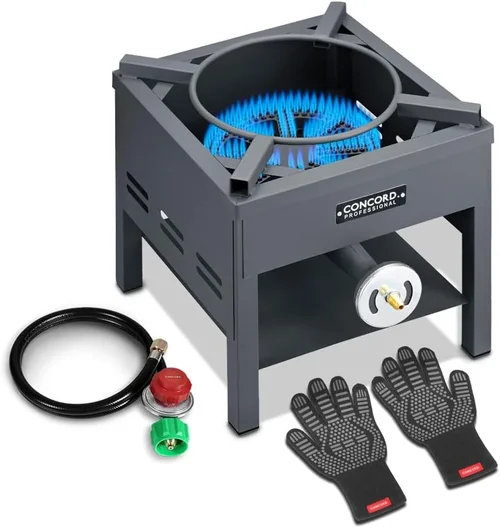
Why it’s bad: A round-bottom wok is designed to sit directly in a wok ring over a powerful, open flame, allowing heat to envelop the entire surface. On an electric stove, a round-bottom wok will wobble precariously, making it unsafe and inefficient. It will only make minimal contact with the heating element, leading to extremely uneven heating and poor cooking results. You’ll end up with food that’s either burnt in the center and raw on the edges, or simply steams instead of stir-fries.
What to do instead: Always, always opt for a wok with a broad, completely flat bottom. This ensures maximum contact with your electric burner, providing stability and efficient, even heat transfer across the entire cooking surface. Measure the diameter of your largest electric burner to ensure the flat base of the wok is a good match.
❌ Mistake: Choosing Too Thin a Material
Why it’s bad: Thin woks, often made from lightweight aluminum or very thin carbon steel, might be cheap, but they are notorious for hot spots and warping. Electric stoves deliver heat to a specific zone, and a thin material won’t distribute that heat evenly across the wok. This leads to food burning in one spot while other areas remain undercooked, frustrating your stir-frying efforts. Thin woks are also less durable and more prone to damage over time.
What to do instead: Invest in a wok made from a thicker gauge material. For carbon steel, look for 1.5mm to 2mm thickness. Cast iron is naturally thick. For stainless steel, choose multi-clad options with an aluminum or copper core. A good wok should have a substantial feel without being excessively heavy, indicating better heat retention and distribution.
❌ Mistake: Neglecting Handle Design and Material
Why it’s bad: Imagine trying to toss ingredients in a hot wok only to find the handle is too hot to touch, or it’s flimsy and feels like it might break. Many cheaper woks cut corners on handle quality. Poorly designed handles can be uncomfortable, slippery, or even unsafe, especially when maneuvering a heavy wok full of hot food. Non-heat-resistant handles can also quickly become a burn hazard.
What to do instead: Prioritize woks with ergonomically designed, heat-resistant handles. Wood or phenolic (heat-resistant plastic) handles are excellent choices for the main long handle. If opting for loop handles, ensure they are also insulated or large enough to grip with an oven mitt. Check that handles are securely riveted, not just spot-welded, for maximum durability and safety.
❌ Mistake: Not Understanding Wok Maintenance Requirements
Why it’s bad: Many aspiring wok owners are drawn to the idea of a traditional carbon steel wok but fail to understand the commitment involved in its care. Carbon steel and cast iron woks require seasoning (a process of baking oil into the surface) and specific cleaning routines to maintain their non-stick properties and prevent rust. Throwing a seasoned wok into the dishwasher or scrubbing it with harsh soap will strip away the seasoning and ruin its performance.
What to do instead: Be realistic about your willingness to maintain a wok. If you prefer low-maintenance, a high-quality non-stick wok or multi-clad stainless steel might be a better choice. If you’re ready for the rewarding process of seasoning and hand-washing, a carbon steel or cast iron wok can offer superior performance. Always read and follow the manufacturer’s care instructions diligently.
❌ Mistake: Overcrowding the Wok
Why it’s bad: This is less a buying mistake and more a cooking technique mistake that often stems from buying a wok that’s too small or trying to cook too much at once. When a wok is overcrowded, the temperature drops dramatically. Instead of stir-frying, your ingredients will steam in their own juices, resulting in soggy, bland food rather than crisp, caramelized perfection.
What to do instead: Always cook in batches if necessary. A good rule of thumb is to fill the wok no more than two-thirds full of ingredients. If you frequently cook for a large family, consider a larger wok (e.g., 14-inch or 16-inch) to allow enough space for proper stir-frying. Better to make two smaller batches than one large, subpar one.
❌ Mistake: Ignoring Heat Source Compatibility for Induction
Why it’s bad: While most electric stoves are either coil or radiant glass-top, some modern electric ranges incorporate induction elements. If your electric stove has induction burners, a wok that isn’t induction-compatible simply won’t heat up. This often means aluminum woks, or even some stainless steel ones if they don’t have a magnetic base, won’t work at all.
What to do instead: If you have an induction electric stove, or even if you might upgrade to one in the future, always check for “induction compatible” in the product specifications. Materials like cast iron, carbon steel, and specific types of stainless steel with a magnetic base will work on induction. It’s a small check that can save you a lot of hassle.
Budget Guidelines: How Much Should You Spend?
The price of a good wok for an electric stove can vary widely, influenced by material, brand, size, and features. Setting a budget helps narrow down your options, but remember that investing a little more upfront can often lead to greater satisfaction and durability in the long run.
Entry-Level ($25 – $50): What to Expect
In this price range, you’ll primarily find non-stick aluminum woks or basic carbon steel models. These are excellent for beginners who want to dip their toes into stir-frying without a significant investment. Non-stick options offer easy cleanup and are forgiving. Carbon steel woks at this price point might be thinner gauge, requiring careful heat management to prevent warping, and will definitely need proper seasoning. Expect basic handles and fewer advanced features. These are suitable for occasional use or for those who prioritize affordability and ease of initial use.
Mid-Range ($50 – $100): Sweet Spot for Most Buyers
This is where you’ll find the best balance of quality, performance, and value. Mid-range woks often feature thicker gauge carbon steel (1.5mm-2mm), pre-seasoned cast iron, or high-quality non-stick coatings over aluminum or even some multi-ply stainless steel options. You can expect better heat distribution, more durable construction, and comfortable, heat-resistant handles. Many woks in this category will deliver excellent stir-frying results on an electric stove and offer good longevity with proper care. This is the ideal range for most home cooks who plan to use their wok regularly.
Premium ($100 – $200): For Enthusiasts and Professionals
Stepping into the premium category opens up options for exceptional build quality, advanced materials, and often, larger sizes. Here you’ll find very thick, highly regarded carbon steel woks, enameled cast iron woks, and high-performance multi-clad stainless steel woks from renowned brands. These woks offer superior heat retention, unmatched durability, and often come with ergonomic designs, extra helper handles, and robust warranties. They are designed for frequent, high-heat cooking and will satisfy serious home chefs or those who demand the absolute best in cooking performance and longevity. Expect professional-grade results and a wok that could last a lifetime.
Luxury ($200+): Top-Tier Features and Craftsmanship
At the very top end, luxury woks represent the pinnacle of craftsmanship and material science. These might include artisanal hand-hammered carbon steel woks, specialized induction-optimized designs, or high-end multi-clad stainless steel constructions from specialty brands. Often, these woks feature unique designs, exotic handle materials, or are part of larger premium cookware sets. While they offer superb performance and aesthetics, the added cost often reflects brand prestige or handcrafted elements rather than a revolutionary leap in basic functionality over premium options. These are for collectors, dedicated culinary artists, or those for whom budget is no concern.
Expert Tips for Getting the Best Deal
Finding the perfect wok for your electric stove doesn’t just mean choosing the right model; it also means getting it at the right price. Here are some expert tips to help you secure the best deal without compromising on quality.
1. Understand Your Cooking Needs Before Shopping
Before you even look at prices, clearly define what you need. How often will you use the wok? What types of dishes will you make? How many people do you cook for? Knowing if you need a durable, high-heat workhorse or a beginner-friendly non-stick will prevent you from overspending on features you don’t need or underspending on something that won’t meet your demands. A smaller family might do well with a 12-inch wok, while larger families benefit from 14-inch, affecting the price.
2. Time Your Purchase with Sales Events
Major sales events like Black Friday, Cyber Monday, Amazon Prime Day, and post-holiday clearances (January, July) are excellent times to snag a wok at a discounted price. Keep an eye out for seasonal kitchenware sales, especially around back-to-school or spring cleaning promotions. Subscribing to newsletters from your favorite kitchenware retailers can also give you early access to deals.
3. Compare Prices Across Multiple Retailers
Don’t just buy the first wok you see. Check major online retailers (Amazon, Walmart, Target), specialty kitchenware stores (Williams Sonoma, Sur La Table), and even department stores (Macy’s, Kohl’s). Sometimes a smaller online retailer might have a better deal, or you might find a coupon code. Factor in shipping costs when comparing online prices.
4. Consider Open Box or Refurbished Items
Some retailers offer “open box” or “refurbished” items at a significant discount. These are typically customer returns that are in like-new condition, perhaps with minor cosmetic damage to the packaging, or they’ve been inspected and certified by the manufacturer. Always check the retailer’s return policy for these items and ensure they come with a warranty, even if it’s a reduced one.
5. Look for Bundles and Promotions
Sometimes, buying a wok as part of a bundle (e.g., with a wok spatula, lid, or steamer rack) can offer better value than purchasing each item separately. Also, look for promotions like “buy one, get one 50% off” or “spend X, get Y discount” that might apply to cookware. These can be particularly beneficial if you need complementary accessories.
6. Read User Reviews Specific to Electric Stoves
As mentioned earlier, generic reviews might not apply to your specific needs. Before buying, filter reviews to those mentioning “electric stove” or “glass top” to get an accurate picture of the wok’s performance. These real-world experiences can highlight heating patterns, stability issues, or specific advantages that are crucial for your cooking setup.
7. Don’t Overlook Store Brand or Lesser-Known Brands
While brand reputation is important, sometimes store brands or lesser-known manufacturers offer excellent quality at a lower price point, especially in the mid-range. Do your research, read reviews, and if the specifications match what you’re looking for, these can be hidden gems that provide great value without the premium brand markup.
8. Verify Return Policies and Warranty
Even with thorough research, sometimes a product just doesn’t meet expectations. A generous return policy (e.g., 30-day no-questions-asked) gives you peace of mind. Similarly, a good warranty protects your investment against manufacturing defects. Always confirm these details before making a purchase, especially for higher-priced items.

Frequently Asked Questions
Q: Can I use a round-bottom wok on an electric stove?
A: No, absolutely not. A round-bottom wok requires a direct flame that wraps around its curved surface, like from a gas burner. On an electric stove, a round-bottom wok will be unstable, making minimal contact with the heating element, leading to extremely inefficient and uneven heating. This results in poor cooking performance, food steaming instead of stir-frying, and a significant safety hazard due to wobbling. Always choose a flat-bottom wok for electric stoves.
Q: What material is best for a wok for electric stoves?
A: For electric stoves, the best materials are those that excel at heat conduction and distribution, along with having a flat bottom. Carbon steel is widely recommended due to its excellent heat responsiveness, ability to achieve high temperatures, and development of a natural non-stick seasoning. Cast iron is great for superior heat retention, but heats slower and is heavier. Multi-clad stainless steel (with an aluminum or copper core) also performs well, offering good heat distribution and easy maintenance. Non-stick aluminum is good for beginners but less durable at high stir-frying temperatures.
Q: How do I season a carbon steel wok for electric stoves?
A: Seasoning a carbon steel wok creates a natural non-stick surface and protects against rust. For electric stoves, you’ll want to do the initial seasoning in the oven if possible, or very carefully on your stovetop. To stovetop season: Wash the wok thoroughly, dry completely, then heat it on your electric burner until it smokes and changes color. Add a thin layer of high smoke point oil (like grapeseed or flaxseed oil) and wipe thoroughly. Heat until it smokes again, then let it cool. Repeat this process 3-5 times. The key is thin layers of oil and heating until it smokes to polymerize the oil into a protective layer.
Q: What size wok is ideal for a home cook with an electric stove?
A: For most home cooks and families of 2-4 people, a 12-inch or 14-inch flat-bottom wok is ideal. A 12-inch wok is perfect for individuals or couples, offering enough space without being too cumbersome. A 14-inch wok provides more surface area, making it easier to cook larger batches for families and preventing overcrowding, which is crucial for effective stir-frying. Anything larger than 14 inches can be difficult to manage and might not fit all electric burners comfortably.
Q: Are non-stick woks good for stir-frying on an electric stove?
A: Non-stick woks are suitable for beginners and everyday cooking on electric stoves, especially for lower-to-medium heat stir-frying or when cooking delicate ingredients. They are very easy to clean and require less oil. However, traditional stir-frying often involves very high heat, which can degrade non-stick coatings over time, reducing their lifespan and potentially releasing harmful fumes if overheated. For authentic, high-heat stir-frying, seasoned carbon steel or cast iron is generally preferred.
Q: How do I properly clean and care for my wok?
A: The cleaning method depends on the wok material.
- Carbon Steel/Cast Iron: After cooking, deglaze with hot water while the wok is still warm (but not scorching hot). Use a soft sponge or wok brush (no harsh soap or steel wool) to scrub away food residue. Rinse thoroughly, dry immediately on the stove over low heat to evaporate all moisture, then apply a very thin layer of cooking oil before storing to maintain seasoning and prevent rust.
- Non-Stick: Allow to cool slightly, then wash with warm soapy water and a soft sponge. Avoid abrasive scrubbers or metal utensils to protect the coating.
- Stainless Steel: Can typically be washed with warm soapy water and a sponge. For stuck-on food, let it soak briefly. Some stainless steel woks are dishwasher safe, but hand washing is always gentler.
Q: Is a wok ring necessary for a flat-bottom wok on an electric stove?
A: A wok ring is generally not necessary, and often not recommended, for a flat-bottom wok on an electric stove. Flat-bottom woks are designed to make direct contact with your electric burner for maximum heat transfer and stability. A wok ring would lift the wok off the burner, reducing direct contact and significantly hindering heat transfer, making stir-frying inefficient. Only round-bottom woks used on gas stoves require a wok ring.
Q: Can I use metal utensils in my wok?
A: The type of utensil depends on the wok material. For carbon steel and cast iron woks, metal spatulas or ladles are perfectly fine and often preferred, as they help scrape down the sides, which can contribute to maintaining the seasoning. However, for non-stick coated woks, you must use silicone, wooden, or heat-resistant plastic utensils to avoid scratching and damaging the non-stick surface. For stainless steel, metal utensils are generally safe, but can sometimes cause minor scratches.
Q: How do I preheat a wok on an electric stove effectively?
A: Preheating is crucial for stir-frying. On an electric stove, which heats up slower than gas, start by placing your empty wok on the burner and heating it over medium-high heat for 5-10 minutes, or until you see a wisp of smoke or a drop of water sizzles and evaporates instantly. Don’t rush this step. Allow the wok to get thoroughly hot before adding oil and then your ingredients. This ensures the entire cooking surface is evenly heated, preventing food from sticking and allowing for proper searing.
Our Final Recommendations
Choosing the best wok for your electric stove comes down to balancing material, design, budget, and your personal cooking style. Here are our top recommendations to guide your final decision:
Best for Budget-Conscious Buyers: Carbon Steel Flat-Bottom Wok (Entry-Level)
For those looking for an authentic stir-frying experience without breaking the bank, a basic flat-bottom carbon steel wok is an excellent choice. Brands like Helen Chen’s Asian Kitchen or traditional models found in Asian markets offer great value. They require seasoning but provide superb heat responsiveness and develop a natural non-stick surface over time. Expect to invest around $30-$50.
Best Overall Value: Mid-Range Carbon Steel or Quality Non-Stick Wok
For the average home cook who wants reliable performance and durability, a mid-range carbon steel wok (e.g., from brands like Joyce Chen or M.V. Trading) or a high-quality non-stick flat-bottom wok (such as from T-fal or Cuisinart) offers the best overall value. These options provide a good balance of heat distribution, construction quality, and ease of use for regular stir-frying on an electric stove. Price range: $50-$100.
Best Premium Option: High-Gauge Carbon Steel or Enameled Cast Iron Wok
If you’re an avid stir-fry enthusiast willing to invest in a top-tier piece of cookware, consider a premium heavy-gauge carbon steel wok (like those from Made In Cookware or De Buyer Mineral B) or an enameled cast iron wok (e.g., Lodge or Le Creuset, if you prefer the no-seasoning ease). These woks offer superior heat retention, exceptional durability, and outstanding cooking performance, capable of delivering professional results on an electric stove. Price range: $100-$200+.
Best for Beginners: High-Quality Non-Stick Flat-Bottom Wok
New to stir-frying? A good quality non-stick flat-bottom wok is your best friend. Look for models with a sturdy, thick aluminum core and durable non-stick coating. They are incredibly forgiving, easy to clean, and require minimal oil, making the learning curve much smoother. Brands like T-fal Ultimate Hard Anodized or OXO Good Grips often have excellent options that perform well on electric stoves.
Best for Advanced Users & Traditionalists: Heavy-Duty Carbon Steel Flat-Bottom Wok
Experienced cooks who appreciate the art of seasoning and the unique performance of traditional materials will gravitate towards a heavy-duty, commercial-grade carbon steel flat-bottom wok. These woks offer the most control, responsiveness, and the ability to achieve the coveted “wok hei” (breath of the wok) flavor. They require consistent care but reward dedicated users with unparalleled stir-frying prowess.
Conclusion: Making the Right Choice
Choosing the best wok for your electric stove doesn’t have to be a daunting task. By understanding the critical factors like material, a definitive flat-bottom design, appropriate size, and comfortable handles, you’re well on your way to making an informed decision. Remember that while traditional round-bottom woks are unsuitable for electric ranges, modern innovations in flat-bottom designs ensure you don’t miss out on the authentic stir-frying experience.
Prioritize your needs: Are you seeking ease of use, durability, or traditional performance? Your budget and willingness to maintain the wok will also play significant roles. Armed with the expert advice and detailed comparisons in this guide, you are now equipped to navigate the market with confidence. Go forth, select your ideal wok, and transform your electric kitchen into a hub of vibrant, flavorful stir-fried creations. Happy cooking!