The refrigerator is more than just an appliance; it’s the heart of most kitchens, a silent workhorse keeping our food fresh and accessible. Yet, for many, it can quickly transform from an organized haven into a chaotic maze of forgotten leftovers, expired produce, and elusive ingredients. A disorganized refrigerator isn’t just an eyesore; it’s a significant source of food waste, wasted money, and daily frustration. Imagine opening your fridge door and instantly seeing everything you need, knowing exactly what you have on hand, and discovering a newfound ease in meal preparation. This isn’t a pipe dream—it’s the tangible benefit of an expertly organized refrigerator.
This comprehensive buying guide is your roadmap to achieving that ideal state. We’ll delve deep into the world of refrigerator organization, equipping you with the knowledge and strategies to transform your fridge from cluttered to clever. You’ll learn about the essential tools and systems available on the market, how to choose the right solutions for your specific needs, and practical tips from experts to maintain a beautifully functional fridge.
The market for refrigerator organization solutions has exploded in recent years, driven by a collective desire for efficiency, cleanliness, and reduced food waste. From simple clear bins to sophisticated modular systems, there’s an overwhelming array of products designed to tackle every organizational challenge. Navigating this landscape can feel daunting, but by the end of this guide, you’ll be empowered to make informed decisions, select the best organization tools, and implement a system that works seamlessly with your lifestyle and culinary habits.
What to Look for When Planning Your Refrigerator Organization
Embarking on a refrigerator organization project requires a thoughtful approach. It’s not just about buying pretty containers; it’s about creating a sustainable system that optimizes space, preserves food, and enhances your daily life. Here are the key factors to consider before you start buying any organizational tools.
1. Refrigerator Type and Internal Layout
Every refrigerator is unique. Understanding the specific design of your appliance—whether it’s a French door, side-by-side, top-freezer, or bottom-freezer model—is paramount. French door fridges often have wide, shallow shelves, while side-by-sides might have narrower, deeper ones. Pay close attention to the number and adjustability of shelves, the configuration of door bins, and the size and type of crisper drawers. Your organization solutions must complement, not conflict with, your fridge’s existing architecture. Measure everything: shelf height, depth, width, and door bin dimensions to ensure any new organizers fit perfectly.
2. Your Household’s Needs and Habits
Who lives in your home? How often do you grocery shop? What kind of meals do you typically prepare? A busy family of five with diverse dietary needs will require a different organization strategy than a single individual who eats out frequently. Consider whether you tend to buy in bulk, prefer fresh produce, store many meal-prepped containers, or have specific items like baby food or dietary supplements that need special handling. Tailor your organization system to your real-life usage patterns, not an aspirational ideal.
3. Types of Food You Store Regularly
Different foods have different storage requirements. Fresh produce often benefits from specific humidity levels (which is why crisper drawers exist), while raw meats need to be sealed and stored on the lowest shelf to prevent cross-contamination. Condiments, dairy, and leftovers each have their optimal zones. Assess the proportion of different food categories you typically keep. If you’re a produce enthusiast, investing in high-quality produce keepers is a smart move. If you always have an array of condiments, door organizers or small turntables might be more beneficial.
4. Material and Durability of Organizers
Refrigerator organizers come in a variety of materials, each with pros and cons.
- Clear Plastic (PET, Tritan, Acrylic): Most common, allows visibility, lightweight, generally affordable. Look for BPA-free, food-safe plastics. Durability varies; some can crack if dropped.
- Glass: Heavier, more expensive, but non-porous, highly durable, won’t stain or absorb odors, and offers a premium look. Breakable if dropped.
- Wire Baskets (Coated Metal): Excellent for air circulation, durable, good for items that don’t need to be fully enclosed like fruits (in certain zones) or canned goods.
- Silicone: Flexible, non-slip, often used for stackable bottle mats or drawer liners.
Consider ease of cleaning for each material—many are dishwasher safe, which is a huge plus.
5. Flexibility and Adaptability of Solutions
Life changes, and so do grocery lists. Your organization system should be able to adapt. Look for modular bins that can be stacked or placed side-by-side in various configurations. Adjustable dividers within drawers or bins can be incredibly useful. Think about whether you might rearrange your fridge for holidays or special events. Solutions that offer versatility will serve you better in the long run than rigid, fixed systems.
6. Ease of Cleaning and Maintenance
A refrigerator organization system should make your life easier, not harder. Choose organizers that are simple to wipe down or are dishwasher-safe. Bins with smooth surfaces and no intricate crevices are generally easier to clean. An easily maintainable system encourages regular upkeep, preventing a return to clutter and grime. If your organizers are difficult to clean, you’ll be less likely to do it, defeating the purpose of an organized fridge.
7. Aesthetics and Visual Cohesion
While functionality is primary, there’s no harm in a visually appealing refrigerator. A cohesive look, often achieved with matching sets of clear containers, can make your fridge feel more spacious and orderly. If you prefer a minimalist look, clear bins that blend into the background are ideal. If you like a pop of color, some brands offer organizers in various hues. Ultimately, choose a style that makes you happy to open your fridge door.
8. Budget and Investment
Refrigerator organization can range from a few inexpensive bins to a complete overhaul with high-end modular systems. Determine your budget upfront. Remember that a higher price doesn’t always guarantee superior performance for your specific needs. Start with essential items and gradually build your collection. Prioritize tools that address your biggest pain points first. Investing in durable, high-quality pieces that will last is often more cost-effective than repeatedly replacing flimsy alternatives.
Different Types of Refrigerator Organization Solutions
The world of refrigerator organization is rich with innovative products designed to solve specific storage challenges. Understanding the main categories will help you identify the best tools for your unique fridge and habits.
Common Refrigerator Organization Mistakes to Avoid
Even with the best intentions, it’s easy to fall into common traps when organizing your refrigerator. Being aware of these pitfalls can save you time, money, and frustration.
❌ Mistake: Buying Organizers Without a Plan
Why it’s bad: This is arguably the most common mistake. You get inspired, head to the store, and buy a cart full of attractive bins without first measuring your fridge or assessing your actual needs. You end up with items that don’t fit, don’t serve a clear purpose, or create more clutter than they solve.
What to do instead: Always “shop” your fridge first. Declutter, clean, and measure every usable space. Take photos. Identify your organizational pain points (e.g., “condiments get lost,” “produce spoils quickly”). Then, research specific solutions that address those issues and fit your fridge’s dimensions. Buy one or two items to test before committing to a full system.
❌ Mistake: Not Decluttering and Cleaning First
Why it’s bad: Trying to organize a fridge full of expired food, mystery leftovers, and sticky spills is like painting a dirty wall. It won’t look good, and it won’t last. Old food harbors bacteria and takes up valuable space, making any organization attempt futile.
What to do instead: Before introducing any new organization tools, completely empty your refrigerator. Discard anything expired or questionable. Wipe down all shelves, drawers, and door bins with a food-safe cleaner. This clean slate provides a clear view of your available space and a hygienic foundation for your new system.
❌ Mistake: Ignoring Your Fridge’s Existing Features
Why it’s bad: Modern refrigerators come with smart features designed for specific food storage, such as adjustable shelves, humidity-controlled crisper drawers, and gallon-sized door bins. Neglecting to use these can lead to suboptimal food preservation and missed opportunities for efficient storage.
What to do instead: Understand what your fridge already offers. Learn how to use your crisper drawers effectively (one for high-humidity, one for low-humidity). Adjust shelves to accommodate taller items or create more efficient zones. Maximize door storage for condiments and drinks. Integrate your new organizers as enhancements to these built-in features, not replacements.
❌ Mistake: Forgetting About Vertical Space
Why it’s bad: Many people only think horizontally, placing items side-by-side. This leaves significant unused space between shelves, particularly in taller fridge models, leading to wasted capacity and items getting squashed.
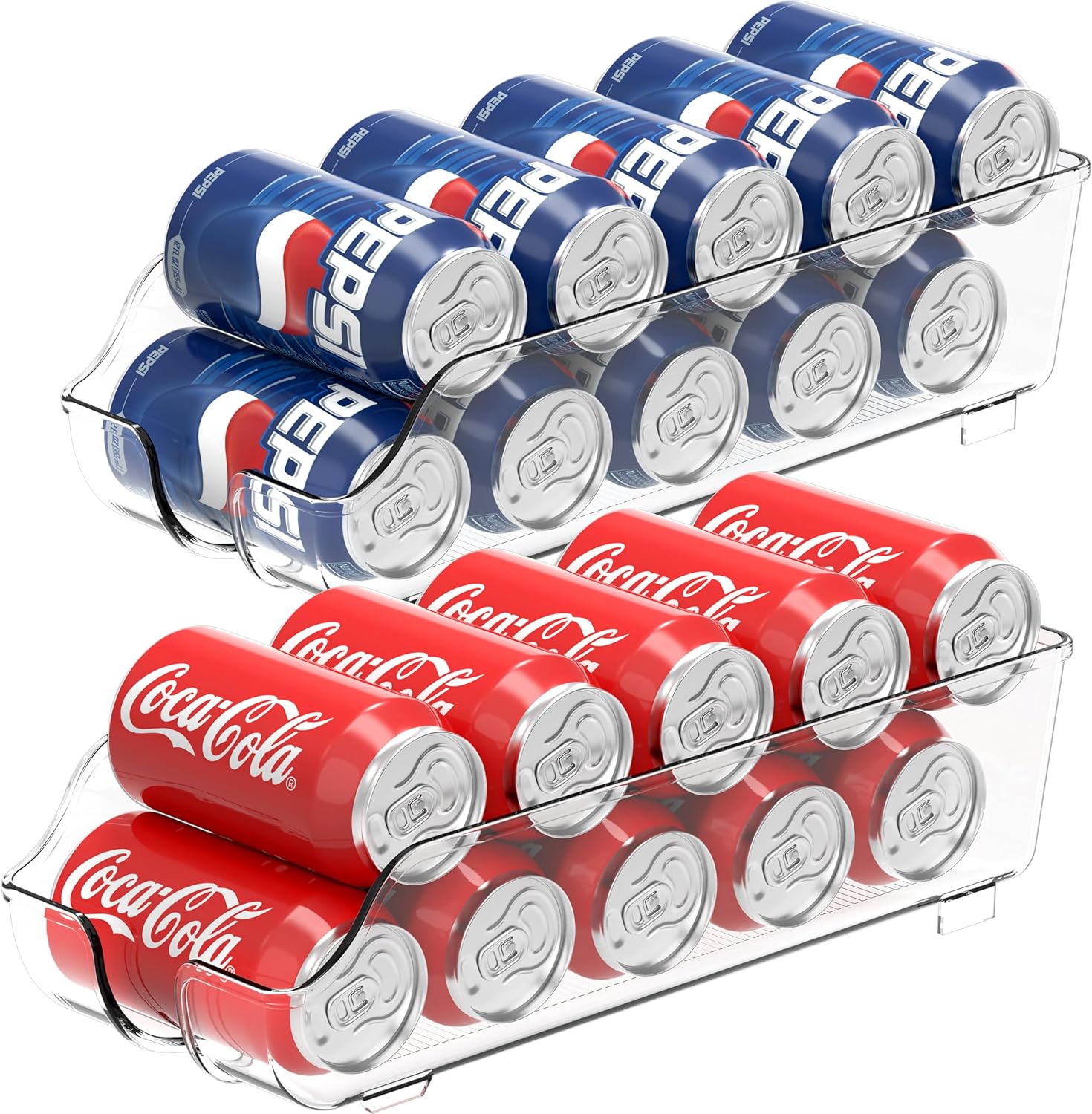
What to do instead: Think vertically! Use stackable clear bins, shelf risers, or under-shelf drawers to utilize the space between shelves. This is especially effective for items like yogurt cups, canned drinks, or deli meats, effectively doubling your usable storage area without expanding your fridge’s footprint.
❌ Mistake: Over-Organizing or Making it Too Rigid
Why it’s bad: While organization is great, excessive rigidity can lead to frustration. If every item has an exact, non-negotiable spot, it becomes a chore to put groceries away or find space for unexpected items. An overly complex system can be difficult to maintain, causing you to abandon it quickly.
What to do instead: Aim for flexible zones rather than rigid prisons. Group similar items together (e.g., “breakfast zone,” “snack bin,” “dinner ingredients”). Allow for some flexibility within these zones. The goal is easy access and visibility, not military-precision placement for every single item. Keep it simple and adaptable to your evolving needs.
❌ Mistake: Not Labeling Containers
Why it’s bad: While clear bins are great for visibility, if you’re storing homemade sauces, leftovers, or items that look similar, not labeling can lead to confusion, forgotten food, and potential food safety issues if you don’t know when something was made.
What to do instead: Invest in a label maker or use dry-erase markers on clear bins. Label leftovers with the date they were made. Label bins by category (e.g., “Dairy,” “Kids’ Snacks,” “Dinner Prep”). This ensures clarity, reduces food waste, and makes it easier for everyone in the household to find what they need and put things back in the right place.
❌ Mistake: Neglecting Temperature Zones
Why it’s bad: A refrigerator isn’t uniformly cold. Different sections maintain different temperatures. Placing temperature-sensitive items in warmer spots can lead to premature spoilage or even food safety risks.
What to do instead: Learn about your fridge’s temperature zones. The bottom shelf is typically the coldest, ideal for raw meats, poultry, and fish to prevent cross-contamination and ensure optimal chilling. The middle shelves are good for dairy, eggs, and leftovers. The top shelf is often slightly warmer, suitable for ready-to-eat foods. Door shelves are the warmest spots, best for condiments and drinks, not milk or eggs. Organize your food according to these natural temperature variations.
Budget Guidelines: How Much Should You Spend?
The cost of refrigerator organization solutions can vary wildly, from a few dollars for basic bins to hundreds for premium, comprehensive systems. Understanding what to expect at different price points will help you set a realistic budget.
-
Entry-Level ($20 – $50): What to expect…
At this tier, you’ll find basic plastic bins, simple drawer dividers, and perhaps a small Lazy Susan. These are typically made from standard BPA-free plastics (PET) that are functional but might not be as heavy-duty or aesthetically refined. This budget is excellent for addressing one or two specific problem areas, like containing drinks or organizing a single shelf. You’ll likely buy items individually or in small, basic sets. It’s a great starting point for those new to organization or with minimal needs.
-
Mid-Range ($50 – $150): Sweet spot for most buyers…
This is where you’ll find a good balance of quality, durability, and functionality. Mid-range options often include thicker, more durable plastics (like Tritan), larger sets of stackable bins, specialized produce keepers, and perhaps a few glass containers. You can begin to build a more cohesive system with matching pieces. This tier offers better design, improved features (like ventilation in produce savers), and better overall value for creating a significantly more organized and efficient refrigerator. Most households will find their ideal solutions within this range.
-
Premium ($150 – $300): For enthusiasts and professionals…
Stepping into the premium category means investing in high-end materials and sophisticated designs. Expect more glass containers, robust acrylic bins, and highly specialized solutions like custom-fit drawer inserts or advanced humidity-controlled produce systems. Brands at this level often focus on aesthetics, modularity, and superior durability. This budget is ideal for those who value a sleek, uniform look, demand top-tier material quality, or have very specific, challenging organizational needs that require specialized tools.
-
Luxury ($300+): Top-tier features…
At the highest end, you’re looking at bespoke organization systems, large comprehensive sets from designer brands, or smart organizers with integrated features. This tier is for those who treat their refrigerator organization as an extension of their interior design, seeking the absolute best in materials, craftsmanship, and integrated solutions. You might find items like custom-fit drawer systems, premium bamboo organizers, or very large, extensive glass container sets. This investment delivers a truly high-end, seamless, and visually stunning organizational experience.
Expert Tips for Effective Refrigerator Organization
Beyond buying the right tools, how you approach the organization process and maintain it is crucial. Here are some pro tips to ensure your efforts lead to lasting success.
1. Measure Everything, Twice!
This cannot be stressed enough. Before purchasing any bins, dividers, or containers, measure the exact dimensions (width, depth, height) of your shelves, drawers, and door bins. Consider any internal protrusions or curved elements. A small measurement error can lead to ill-fitting items and wasted money. Use a tape measure and keep a list handy.
2. Start Small and Expand Gradually
Don’t feel pressured to overhaul your entire fridge in one go. Identify your biggest pain points (e.g., “my crisper drawer is always a mess,” or “condiments get lost on deep shelves”) and invest in solutions for those first. As you experience success and understand what works, you can gradually expand your system to other areas of the fridge.
3. Implement the “First In, First Out” (FIFO) Principle
This is a golden rule for managing perishables. When putting away new groceries, move older items of the same type to the front so they are used first. This dramatically reduces food waste and ensures you’re consuming items at their freshest. Clear bins make this much easier to practice.
4. Designate Clear Zones for Specific Items
Assign specific areas for categories of food. Examples include a “breakfast” zone, a “lunch prep” bin, a “snack” drawer, or a “dairy” shelf. This helps everyone in the household know where to find things and, more importantly, where to put them back. Consistency is key for long-term organization.
5. Conduct Regular Inventory Checks
Make it a habit to quickly scan your fridge contents before grocery shopping. This prevents duplicate purchases and ensures you’re aware of what needs to be used up. A quick five-minute check once a week can save you money and prevent food waste.
6. Leverage Existing Refrigerator Features
Modern refrigerators come with brilliant built-in features. Don’t underestimate them. Learn how to properly use your humidity-controlled crisper drawers (high humidity for leafy greens, low humidity for fruits). Utilize adjustable shelves to create custom height spaces for different items, rather than forcing everything into static configurations.
7. Prioritize Visibility and Accessibility
The goal of organization is to see what you have and access it easily. Opt for clear containers so you can quickly identify contents. Use Lazy Susans for deep shelves or corners to bring items from the back to the front with a spin. Avoid stacking items directly on top of each other if it makes the bottom item invisible or hard to reach.
8. Don’t Forget the Freezer!
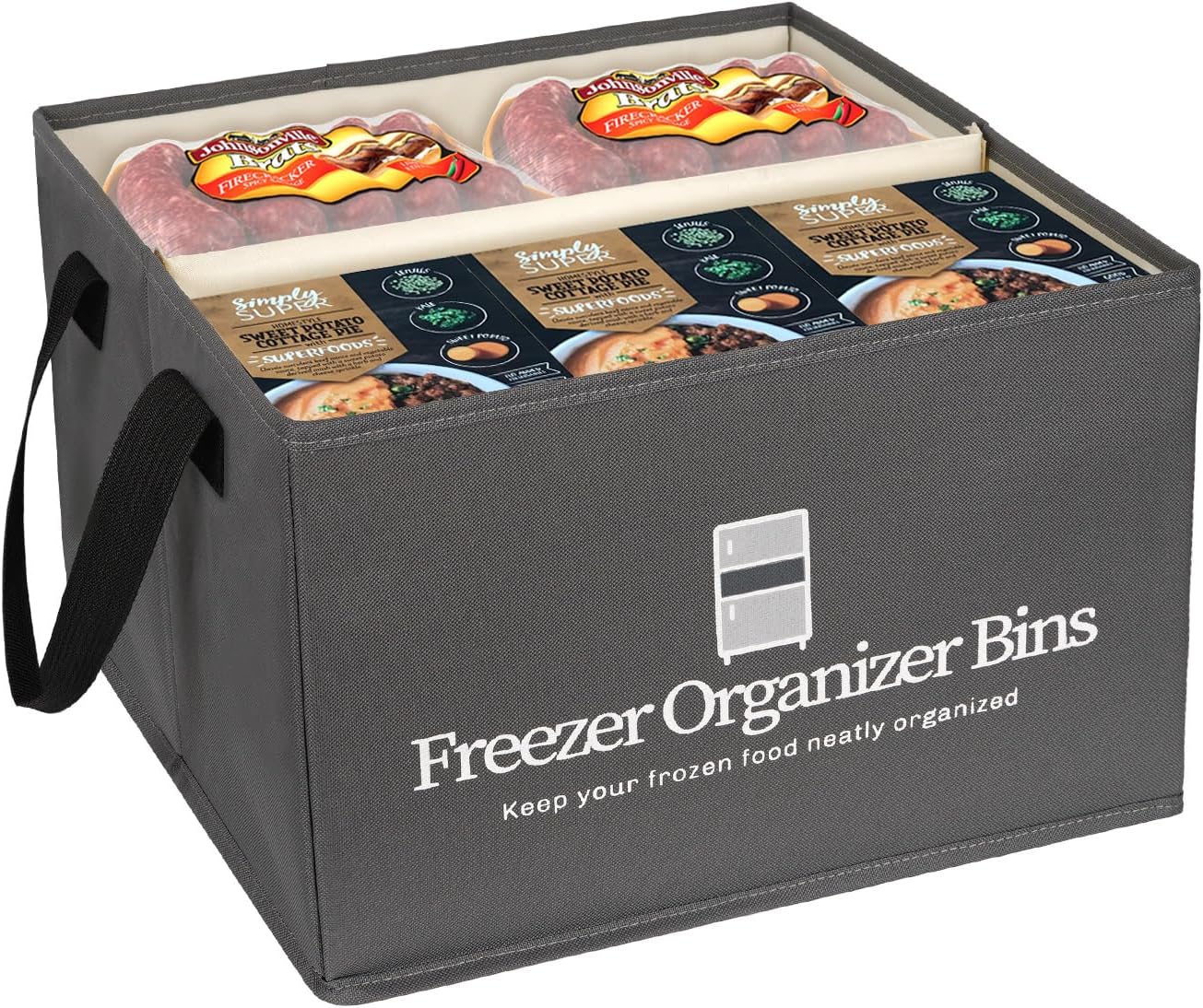
The freezer is often an overlooked space for organization. Apply similar principles: use clear bins for grouping frozen vegetables, meats, or prepped meals. Vacuum sealers are excellent for preserving food quality and saving space. Implement FIFO in your freezer too, especially for batch-cooked meals or frozen produce.
Frequently Asked Questions
Q: What’s the best way to store fresh produce to make it last longer?
A: Utilize your refrigerator’s crisper drawers. The high-humidity drawer (often marked with a leaf icon or a “fruit/veg” setting) is ideal for leafy greens, herbs, and most vegetables. The low-humidity drawer is better for fruits that release ethylene gas (like apples, pears) and some vegetables (like peppers). Produce keepers with adjustable vents can also significantly extend the life of fresh items by regulating airflow and moisture.
Q: How often should I clean my organized fridge?
A: A quick wipe-down of minor spills should happen immediately. For a more thorough cleaning, aim for once a month. With a good organization system, this task becomes much easier as you can simply pull out bins and wipe down the shelves underneath. A full deep clean (emptying, scrubbing, sanitizing) is recommended every 3-6 months.
Q: Are glass or plastic organizers better for the refrigerator?
A: Both have advantages. Glass is non-porous, won’t stain or absorb odors, is highly durable, and looks premium. It’s also microwave and oven-safe for leftovers. However, it’s heavier and more expensive. Plastic (especially clear, BPA-free types like PET or Tritan) is lighter, more affordable, and less prone to breaking. It’s often preferred for bins and dividers. Choose based on your priorities for durability, weight, cost, and intended use.
Q: How do I deal with small condiment bottles and jars in the door?
A: Small condiment bottles are perfect candidates for Lazy Susans (turntables) if you have deep shelves, or small, narrow bins specifically designed for door storage. These keep items grouped, upright, and prevent them from toppling over or getting lost behind larger items. Many door bins come with adjustable dividers that can also help compartmentalize this space.
Q: What is the ideal temperature for a refrigerator?
A: The ideal temperature range for a refrigerator is between 35°F (1.7°C) and 40°F (4.4°C). This range is cold enough to slow bacterial growth and keep food fresh without freezing it. Always check your fridge’s manual for specific recommendations and consider using a refrigerator thermometer to monitor the actual internal temperature, especially if you store a lot of highly perishable foods.
Q: Can I use the same organization principles for my freezer?
A: Absolutely! Freezer organization benefits immensely from the same principles. Use clear, stackable bins to categorize items (e.g., “frozen vegetables,” “meat,” “batch meals”). Vacuum sealing is excellent for both preservation and space-saving. Label everything with the item and date. Vertical stacking and implementing the FIFO method are just as crucial in the freezer to prevent “freezer burn” and forgotten foods.
Q: How can I keep my organized system sustainable in the long run?
A: Sustainability comes down to habit and maintenance.
- Designate a “landing zone” for new groceries before putting them away.
- Have a “use first” bin for items nearing expiration.
- Involve the whole family in understanding the system.
- Conduct a quick tidy-up every few days (e.g., putting items back in their zones).
- Regularly declutter (weekly or bi-weekly) to remove expired items and maintain order.
The key is to integrate organization into your routine, making it a natural part of food management.
Our Final Recommendations
Creating an organized refrigerator is a highly personalized journey, but based on common needs and available solutions, here are our final recommendations to guide your choices:
-
Best for Budget-Conscious Buyers:
Start with a few fundamental clear plastic bins. Look for sets from brands like Rubbermaid Brilliance or generic options from retailers like IKEA or Walmart. Focus on multi-purpose rectangular bins that fit your shelves and a basic Lazy Susan for door items or condiments. This approach allows you to address immediate clutter without a significant investment, providing a solid foundation to build upon.
-
Best Overall Value:
The sweet spot for most users lies in investing in a well-curated set of clear acrylic or PET bins from brands such as The Home Edit by iDesign or Copco. Complement these with one or two dedicated produce keepers like OXO Good Grips GreenSaver containers. This combination offers excellent visibility, durability, and specialized function for perishable items, delivering significant improvements in both organization and food longevity for a reasonable price point.
-
Best Premium Option:
For those seeking superior aesthetics, durability, and a completely cohesive look, a comprehensive system primarily featuring glass containers for leftovers and sturdy, stackable BPA-free Tritan bins from brands like OXO Good Grips POP Containers (yes, they have fridge-specific lines!) or Mepal. Add in high-quality produce keepers and possibly a few custom-fit drawer inserts. This investment ensures a sleek, highly functional, and long-lasting organizational solution that feels luxurious and performs flawlessly.
-
Best for Beginners:
Focus on simple, clear, open-top bins. The goal for beginners is ease of use and immediate impact. Start with 3-5 versatile bins for categories like “Dairy,” “Snacks,” and “Leftovers.” The simplicity of these tools, combined with a focus on clearing clutter, provides a low-barrier entry to fridge organization without overwhelming the user with too many specialized items or complex systems.
-
Best for Advanced Users / Food Enthusiasts:
You’ll benefit from a highly customized system. This includes a mix of specialized produce preservation containers, vacuum sealers for freezer items, advanced modular stacking drawers, and perhaps even some magnetic wall organizers for small items. Brands like FoodSaver for sealing and YouCopia for specific spice/bottle racks offer innovative solutions that complement a meticulously planned layout. The focus here is on maximizing every inch, extending food life, and streamlining complex meal prep processes.
Conclusion: Making the Right Choice
Transforming your refrigerator from a repository of chaos into a beacon of organized efficiency is an achievable and highly rewarding project. By understanding your fridge’s unique layout, your household’s specific needs, and the diverse range of organization solutions available, you are well on your way to a more functional and enjoyable kitchen experience. Remember, the best organization system isn’t about perfection; it’s about finding a practical approach that simplifies your life, reduces food waste, and brings a sense of calm to your daily routine.
Don’t be afraid to start small, experiment with different tools, and adapt your system as your needs evolve. Prioritize visibility, accessibility, and ease of cleaning, and you’ll build a sustainable system that serves you for years to come. Take these insights, measure your space, and embark on your journey to a perfectly organized refrigerator. Your future self (and your grocery budget!) will thank you for it.