Imagine transforming your kitchen into a space that is not only functional but also the heart of your home. One of the key elements that can make this vision a reality is the kitchen island.
But how big should a kitchen island be? This question can leave you feeling overwhelmed, especially with the multitude of design options available. The right-sized island can enhance your kitchen’s flow, provide extra storage, and become a hub for social gatherings.
But if it’s too big or too small, it might disrupt the harmony of your space. You’ll discover the perfect balance for your kitchen island. You’ll learn what factors to consider, such as the size of your kitchen, your lifestyle needs, and how to optimize your space efficiently. By understanding these elements, you can make an informed decision that enhances both your kitchen’s aesthetics and functionality. Dive in to find out how to create the kitchen of your dreams.
Ideal Dimensions For Kitchen Islands
The perfect kitchen island size depends on your space. Small kitchens might need a compact island. It could be about 24 inches deep and 36 inches wide. This gives enough room for cooking tasks.
For medium-sized kitchens, a larger island works well. Consider dimensions around 36 inches deep and 48 inches wide. This allows for seating and storage.
In large kitchens, islands can be much bigger. 48 inches deep and 96 inches wide is ideal. This size accommodates more seating and storage options.
| Kitchen Size | Island Depth | Island Width |
|---|---|---|
| Small | 24 inches | 36 inches |
| Medium | 36 inches | 48 inches |
| Large | 48 inches | 96 inches |
Considering Kitchen Size And Layout
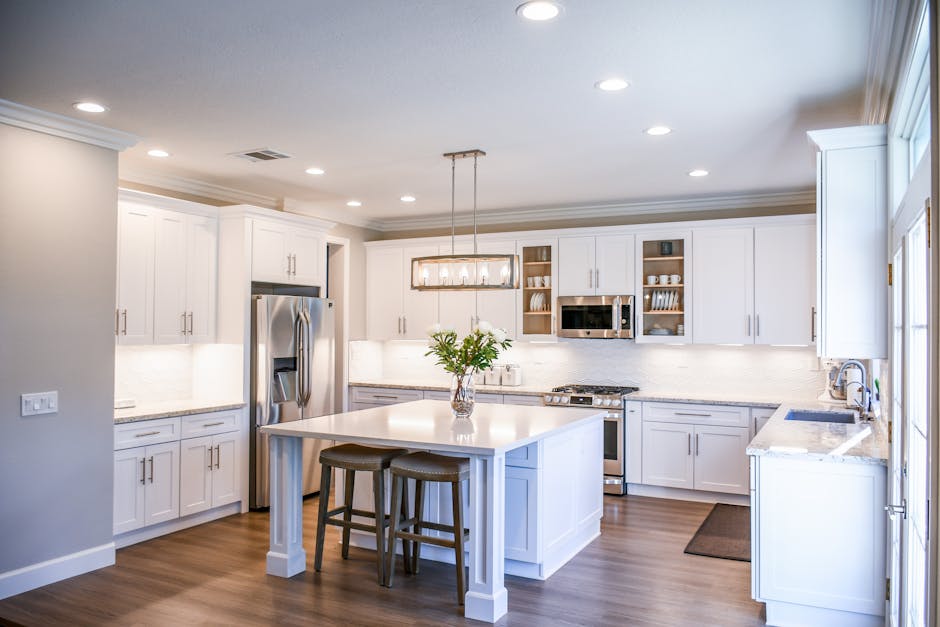
A kitchen island must fit well in your kitchen space. Too big, and it crowds the room. Too small, and it’s not very useful. The ideal size depends on the kitchen’s layout. In a large kitchen, a bigger island works well. It offers more space for cooking and gathering.
Smaller kitchens need smaller islands. This keeps the area open and easy to move around. Always leave at least 36 inches of space around the island. This ensures people can walk and work comfortably. Think about how you use the kitchen. Do you need extra storage or seating? Consider these needs when choosing the island size.
Functionality And Purpose
The size of a kitchen island depends on how you use it. A small family might need a cozy island. A large family might need a bigger one. An island can be a place to cook. It can also be a spot to eat. Think about how you use your kitchen. Do you bake a lot? Do you need space for homework or crafts? Each activity needs space. The island should fit these needs.
Storage is another important factor. Bigger islands can have more shelves and drawers. This helps keep the kitchen tidy. Plan carefully. Measure your kitchen space. Decide how big the island should be. Make sure it fits your lifestyle.
Seating And Dining Space
A kitchen island can be a great place to sit and eat. It should have enough space for chairs or stools. Comfortable seating needs at least 24 inches of width per person. This gives everyone room to eat and talk.
Dining space is important too. There should be 12 inches of overhang for leg space. The island should be about 36 inches high for regular seating. For bar seating, the height can be 42 inches.
Space around the island matters. There should be 36-48 inches of space on all sides. This ensures people can move freely. Remember, a good kitchen island makes cooking and eating fun.
Storage And Appliances
A kitchen island should have enough storagefor your needs. Cabinets and drawers help keep things tidy. Consider space for appliances too. Do you need a microwave or a wine cooler? Think about the sizeof these items. Plan for the right fit so everything has its place.
Spaceis vital. Ensure the island does not crowd your kitchen. Leave room to move around easily. You should have at least three feet of space on each side. This makes cooking and cleaning easier.
Balanceis key. Too big and it feels cramped. Too small and it loses function. Choose wisely for a happy kitchen.
Design Trends And Aesthetics
Kitchen islands add style to any space. They serve many functions. Modern designs often feature sleek lines and minimalist looks. Natural materials like wood are popular choices. They bring warmth and texture. Bold colors can make a statement. They add personality. Lighting above the island is key. It highlights the area.
Islands can be customized to fit any taste. Some prefer open shelving. Others like closed cabinets. Seating options vary too. Bar stools or chairs can be added. They create a casual dining spot. Size and shape depend on room layout. Circular islands can soften angles. Rectangular designs offer more surface space.
Trends change over time. But the island remains a focal point. It balances function and design beautifully.
Frequently Asked Questions
What Is The Ideal Size For A Kitchen Island?
The ideal size depends on your kitchen’s space and function. Typically, a kitchen island should be at least 4 feet long and 2 feet wide. Ensure there’s a 36 to 48-inch clearance around it for comfortable movement.
How Much Space Do You Need Around A Kitchen Island?
You need at least 36 to 48 inches of clearance around a kitchen island. This space ensures easy movement and functionality. Adequate clearance is essential for opening cabinets and appliances comfortably.
Can A Small Kitchen Have An Island?
Yes, a small kitchen can have an island. Choose a compact, multi-functional design that suits your space. Consider a mobile or narrow island to maximize efficiency without overcrowding the area.
What Is The Standard Height For A Kitchen Island?
The standard height for a kitchen island is about 36 inches. This height matches most countertops for a seamless look. It provides a comfortable working surface for food preparation and dining.
Conclusion
Choosing the right kitchen island size matters. It impacts space and function. Measure your kitchen well. Consider seating, storage, and movement. Balance aesthetics with practicality. A large island may overwhelm small spaces. A tiny island might not serve needs. Think about cooking style and family size.
Talk to a kitchen designer if unsure. Explore different shapes and materials. Make sure it fits your lifestyle. A well-sized island enhances your kitchen. It should be a joy, not a burden. Remember, the perfect size meets your unique needs.