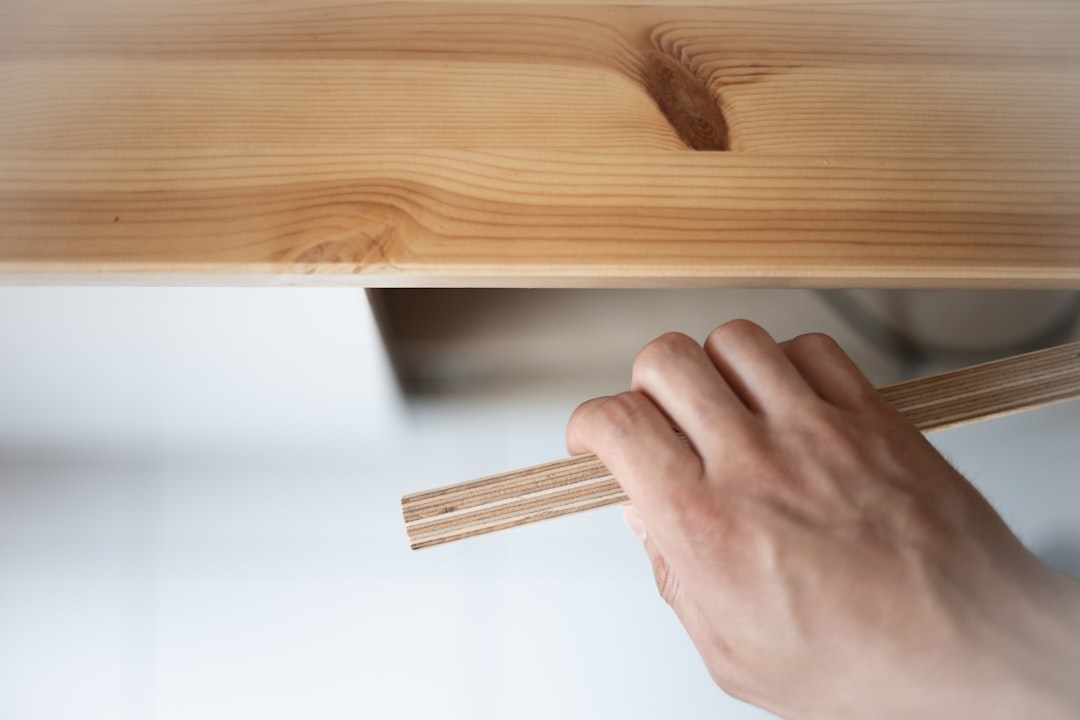
Are your kitchen cabinets feeling sticky and grimy? You’re not alone.
Over time, grease, dust, and cooking residue can build up on your wooden cabinets, making them feel less than fresh. But don’t worry—getting them back to their original shine is easier than you might think. Imagine opening your cabinets to find them as spotless and smooth as the day they were installed.
You deserve a kitchen that feels clean and inviting every time you step in. In this guide, you’ll discover simple, effective methods to clean those sticky wood cabinets, using items you probably already have at home. Say goodbye to grime and hello to a kitchen you’ll love spending time in. Ready to transform your cabinets? Keep reading to find out how.
Identifying Sticky Residue
Sticky residue on kitchen cabinets can be tricky to spot. Look for dull or greasy spots on the wood surface. Touch the cabinet to feel for sticky areas. If your fingers stick, it’s residue. Inspect the cabinet edges and handles. These spots often collect more grime. Use a flashlight for better visibility. Shine it across the surface to see any sticky film. Check near cooking areas. Cabinets close to the stove might be more sticky. Cooking oils can cause this. Open the cabinet doors and inspect the inside surfaces. Remember, sticky residue can be clear or colored.
Choosing The Right Cleaning Products
Sticky wood cabinets need special care. Always use gentle cleanersto protect the wood. Check labels for safe ingredientsfor wood surfaces. Avoid harsh chemicals like bleach or ammonia. These can damage the finish and color.
Consider using a mix of vinegar and water. This is a simple, safe cleaner. Mix equal parts in a spray bottle. Spray lightly on the sticky spots. Wipe with a soft cloth. This helps remove grime without harming the wood.
There are also special wood cleaners available. These cleaners are made for wood surfaces. Follow the instructions on the bottle. Use a soft cloth or sponge. Rinse with water and dry the cabinet well.
Preparing The Cleaning Solution
Start by gathering your materials. You will need warm water, vinegar, and dish soap. Fill a bowl with warm water. Add a cup of vinegar to the water. Add a tablespoon of dish soap. Mix the solution well. The solution helps break down sticky residue.
Use a soft cloth for cleaning. Dip the cloth into the solution. Wring out the excess water. Make sure the cloth is damp, not wet. Wet cloth can harm wood.
Test the solution on a small area first. Check for any damage or discoloration. Ensure the solution is safe for your cabinets. This step is very important.
Effective Cleaning Techniques
Mix warm water with dish soap. Use a soft cloth or sponge. Wipe cabinets gently to remove sticky dirt. Rinse with clean water to remove soap.
Combine equal parts of vinegar and water. This mix helps cut through grime. Dampen a cloth with this solution. Wipe cabinet surfaces carefully.
Make a paste with baking soda and water. Spread paste on sticky spots. Scrub gently with a soft brush. Wipe clean with a damp cloth.
Choose a cleaner safe for wood. Read the label for instructions. Apply cleaner to a cloth, not directly on wood. Rub on sticky areas for best results.
- Clean spills right away.
- Use mild soap often.
- Dry cabinets after washing.
Addressing Tough Stains
Sticky stains on wood cabinets can be tricky. First, gather your supplies. You need warm water, mild dish soap, and a soft cloth. Mix the soap with water in a bowl. Dip the cloth in the soapy water. Gently scrub the sticky spot. Avoid using too much water. Wood doesn’t like being wet.
For really tough stains, try baking soda. Make a paste with water. Rub the paste on the stain gently. Let it sit for a few minutes. Wipe it off with a clean cloth.
If the stain is still there, use vinegar. Mix vinegar and water equally. Dampen a cloth with the mix. Rub the stain softly. Vinegar helps break down sticky residue.
Dry the area completely after cleaning. This prevents damage to your wood cabinets.
Maintaining Clean Cabinets
Sticky cabinets need special care to stay clean. Warm soapy water works best for regular cleaning. Dip a soft cloth in the water. Wipe the cabinet doors gently.
Vinegar removes sticky residue. Mix equal parts vinegar and water. Use a cloth to apply the mixture. Rinse with clean water after.
Baking soda helps with tough stains. Make a paste with water. Rub gently on the stain. Wipe off with a damp cloth.
Avoid harsh chemicals. They can damage the wood. Use gentle cleaners instead. Regular cleaning keeps cabinets looking new.
- Use soft cloths for cleaning.
- Dry cabinets after cleaning.
- Polish with wood oil sometimes.
Frequently Asked Questions
How Do I Remove Sticky Residue From Cabinets?
To remove sticky residue, mix vinegar and warm water. Use a soft cloth to gently scrub the surface. This natural solution effectively breaks down sticky build-up without damaging the wood finish. Rinse with clean water and dry thoroughly to prevent moisture damage.
Can I Use Baking Soda On Wood Cabinets?
Yes, baking soda is effective on wood cabinets. Create a paste with water and apply to sticky areas. Gently scrub with a soft cloth and rinse. Baking soda’s mild abrasiveness helps remove grime without scratching the wood, leaving your cabinets clean and refreshed.
What Cleaning Products Are Safe For Wood Cabinets?
Use mild dish soap or vinegar for wood cabinets. Avoid harsh chemicals that can damage the finish. Mix with warm water and apply using a soft cloth. These gentle cleaners effectively remove dirt and grease without harming the wood, maintaining its natural beauty.
How Often Should I Clean Kitchen Cabinets?
Clean kitchen cabinets every month to prevent build-up. Regular cleaning helps maintain their appearance and extends their lifespan. Use gentle cleaners and soft cloths to keep cabinets free of dust, grease, and sticky residue, ensuring a fresh and hygienic kitchen environment.
Conclusion
Cleaning sticky wood kitchen cabinets can seem challenging at first. But with simple steps, it becomes manageable. Use the right cleaning solutions. Wipe gently to avoid scratches. Regular cleaning prevents sticky build-up. It keeps your cabinets looking fresh. A clean kitchen adds joy to cooking.
Remember, patience and care are key. Consistent cleaning maintains beauty and functionality. Try these tips and enjoy a clean, inviting kitchen space. Your cabinets will thank you. Keeping them clean is easier than you think. Start today and see the difference.
Happy cleaning!