Are you ready to give your kitchen a fresh look without breaking the bank? Installing a new kitchen faucet is one of the simplest ways to transform your space.
Whether you’re updating an old fixture or tackling a leaky tap, learning how to install a kitchen faucet yourself can save you time and money. You might feel a bit unsure at first, but don’t worry—it’s easier than you think.
Imagine the satisfaction of turning on your new faucet, knowing you installed it yourself. Intrigued? Read on to discover step-by-step instructions that will guide you through the process effortlessly and help you avoid common pitfalls. Let’s dive into the details and equip you with the skills you need to get the job done right.

Credit: www.youtube.com
Tools And Materials Needed
Gather all tools and materialsbefore starting. This saves time and effort.
- Adjustable wrenchfor tightening connections.
- Pliersfor gripping and twisting.
- Screwdriverfor removing old faucet.
- Plumber’s tapeto prevent leaks.
- Bucketto catch water spills.
- Towelsto keep the area dry.
- New faucetwith all parts included.
Make sure you have all the required tools. Read the instructions carefully. Double-check that nothing is missing. This ensures a smooth installation process.
Choosing The Right Faucet
Installing a kitchen faucet involves selecting one that fits your sink and suits your style. Make sure it has the right number of holes for installation. Always follow the manufacturer’s instructions for a smooth setup.
Types Of Kitchen Faucets
There are many types of kitchen faucets. Each type has its own style. Pull-down faucetsare popular and easy to use. Single-handle faucetsare simple and space-saving. Double-handle faucetsoffer precise temperature control. Touchless faucetsuse sensors to turn on water. They are great for keeping clean.
Features To Consider
- Material: Choose a faucet made of durable materials.
- Finish: Look for finishes that resist spots and scratches.
- Spout Style: High arc spouts allow more space.
- Installation Type: Make sure it fits your sink setup.
- Water Efficiency: Save water with efficient models.
Preparing For Installation
Gather necessary tools and materials before installing a kitchen faucet. Clear the workspace for easy access to plumbing connections. Disconnect water supply lines to ensure a smooth installation process.
Shutting Off Water Supply
Find the water valvesunder the sink. Turn them clockwiseto shut off the water. Test by turning on the faucet. Make sure no water flows. This step prevents leaks.
Clearing The Area
Remove items from under the sink. Clear space for easy access. Ensure good lighting in the area. Gather necessary tools nearby. Keep the workspace tidy and organized.

Credit: www.youtube.com
Removing The Old Faucet
First, turn off the water supply under the sink. Use your hands to twist the knobs. If the knobs are too tight, use pliers. Now, place a bucket under the pipes. This catches any water that drips. Use a wrench to loosen the nuts on the supply lines. Turn them carefully until they come off. Keep the lines in the bucket to avoid mess. Remember, some water may spill.
Look under the sink for mounting nuts. These hold the faucet in place. Use a basin wrench to loosen them. Turn the wrench slowly. Once loose, remove the nuts by hand. Lift the old faucet out from above the sink. Check the area for any grime or old sealant. Clean it up before installing a new faucet. This ensures a neat and tidy finish.
Installing The New Faucet
Installing a kitchen faucet involves turning off the water supply and removing the old faucet. Secure the new faucet in place, connect the water lines, and test for leaks to ensure proper installation.
Positioning The Faucet
Place the faucetinto the hole on the sink. Ensure the faucet is centeredand aligned. Check the fit before proceeding. This will help avoid leaks later. Make sure it’s snug and secure.
Securing With Mounting Hardware
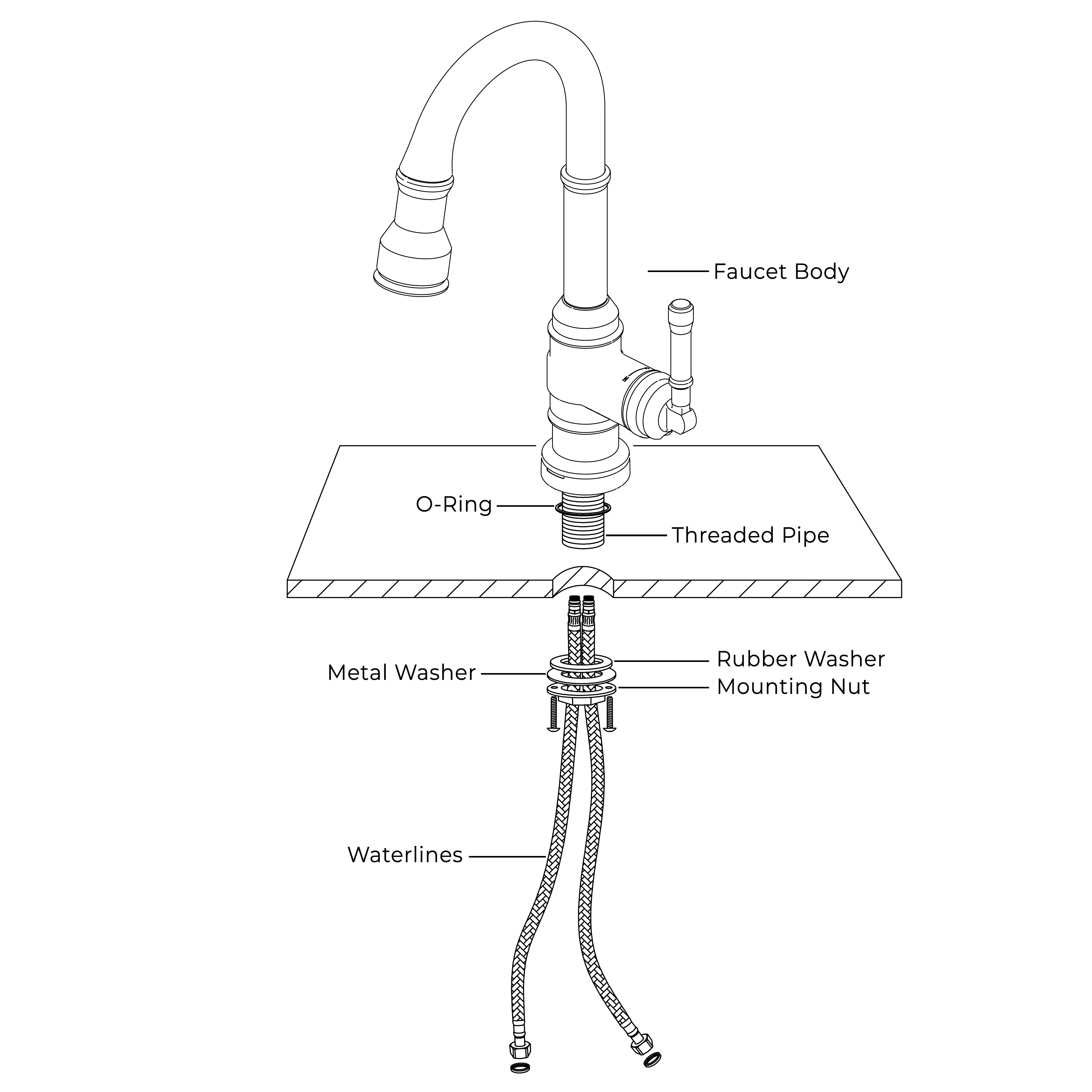
Use the mounting hardware provided. Tighten screws underneath the sink. Ensure they are tightbut not over-tightened. Over-tightening can cause damage. Ensure the faucet is stable and doesn’t wobble. This keeps it from moving or leaking.
Connecting Water Supply Lines
Attach the hot and cold water lines to the faucet. Ensure each line is connected to the correct valve. Tighten the connections using a wrench. Make sure the connections are secure. Use plumber’s tape if needed to prevent leaks. Check the lines for twists or kinks. Straighten them to ensure good water flow. Be careful not to overtighten the connections.
Turn on the water supply slowly. Look for any leaks around the connections. Use a dry cloth to wipe the area. Check if the cloth remains dry. If you find leaks, tighten the connections further. Use plumber’s tape if necessary. Test both hot and cold water lines. Ensure there are no drips or moisture. Confirm everything is dry and secure.
Testing The Installation
Test the installation by turning on the water to check for leaks. Ensure smooth water flow from the faucet. Adjust connections if necessary to stop any drips.
Running The Water
Turn on the faucet handles. Check if water flows smoothly. Ensure both hot and cold water work. Watch for any leaks around the faucet base. Tighten connections if water drips. Listen for unusual sounds. They may indicate a problem. Make sure the water pressure is good. Low pressure might need attention.
Adjusting Water Flow
Adjust the handles for desired water temperature. Turn both handles to find a balance. Feel the water with your hand. Check if it’s too hot or cold. Adjust the flow to your liking. Ensure the faucet responds well to adjustments. Test the sprayer if your faucet has one. Pull it out and see if water sprays evenly. A smooth spray is a good sign. Finally, confirm all parts are secure and working well.
Credit: www.fontanashowers.com
Troubleshooting Common Issues
Installing a kitchen faucet often involves tackling common issues like leaks and low water pressure. Ensure all connections are tight to prevent leaks. Check water valves and clean aerators for better water flow.
Leaks And Drips
Leaks can cause water waste and damage. Check if the faucet is tightly connected. Make sure all washers are in place. If not, replace the worn-out parts. Use a wrench to tighten loose connections. Don’t overtighten; it might cause damage. Inspect the O-rings for any wear. Replace them if needed. This usually stops the leaks and drips.
Low Water Pressure
Low water pressure can be frustrating. First, check the faucet aerator. It might be clogged with dirt. Remove the aerator and clean it well. If still low, check the supply valves under the sink. They should be fully open. Ensure there are no kinks in the water supply hose. This often solves the pressure issue.
Maintenance Tips
Installing a kitchen faucet requires essential tools like a wrench and plumber’s tape. Turn off the water supply and detach the old faucet. Carefully secure the new faucet using the provided hardware, ensuring a tight seal to prevent leaks.
Cleaning The Faucet
Wipe the faucet with a soft cloth daily. This keeps it shiny and clean. Use mild soap and warm water for deeper cleaning. Avoid strong chemicals to prevent damage. Rinse the faucet well after cleaning. Dry it with a soft towel. This helps prevent water spots.
Preventing Mineral Build-up
Mineral build-up can make the faucet look bad. Use vinegar to remove it. Soak a cloth in vinegar and wrap it around the faucet. Leave it for a few hours. Scrub gently with a toothbrush. Rinse and dry the faucet well. Do this monthly to keep it clear.
Frequently Asked Questions
How Do I Remove An Old Kitchen Faucet?
To remove an old kitchen faucet, start by turning off the water supply. Then, disconnect the water lines using a wrench. Unscrew the mounting nuts under the sink and lift the faucet out. Be prepared for some water leakage and keep a towel handy.
What Tools Are Needed For Faucet Installation?
For installing a kitchen faucet, you’ll need a wrench, plumber’s tape, and a screwdriver. A basin wrench is useful for reaching tight spaces. Ensure you have all the necessary hardware included with the faucet. Having these tools ready will streamline the installation process.
How Do I Ensure No Leaks In My Faucet?
To prevent leaks, apply plumber’s tape to threaded connections before tightening. Ensure all washers and gaskets are properly seated. Tighten connections firmly but avoid over-tightening. After installation, turn on the water supply and check for drips or leaks. Promptly address any issues to prevent further problems.
Can I Install A Faucet Myself?
Yes, you can install a kitchen faucet yourself with basic tools and some patience. Follow the manufacturer’s instructions carefully. Ensure you have all necessary parts and tools before starting. If unsure, consult professional help to avoid potential mistakes and ensure proper installation.
Conclusion
You can install a kitchen faucet easily with these steps. Start by gathering all necessary tools and materials. Follow each instruction carefully for a smooth process. Remember to turn off the water supply first. Ensure connections are tight to avoid leaks.
Test the faucet once installation is complete. This helps confirm everything works correctly. This task can be simple with patience and attention. Now, enjoy your newly installed kitchen faucet. It adds functionality and style to your space. Feel accomplished with your DIY skills.
Happy plumbing!