Imagine transforming your backyard into a culinary paradise where you can whip up delicious meals while soaking in the fresh air. Building an outdoor kitchen is not just about cooking; it’s about creating an experience that elevates your outdoor living space.
Whether you’re a seasoned grill master or a casual cook, an outdoor kitchen offers convenience, style, and an opportunity to entertain like never before. But where do you start? You might be wondering about the steps, the materials, and how to make it all fit within your budget.
Don’t worry; this guide is designed just for you. We’ll walk you through every aspect, ensuring you have the knowledge and confidence to create the outdoor kitchen of your dreams. So, if you’re ready to enhance your backyard and your lifestyle, let’s dive in!
Planning Your Outdoor Kitchen
Building an outdoor kitchen involves choosing durable materials and planning a functional layout. Consider installing weather-resistant appliances and ample counter space for cooking and entertaining. Add comfortable seating to create an inviting space for family and friends.
Assessing Space And Location
Check where you have space outside. Think about wind and sun. Avoid areas near trees. Make sure it’s close to your house. This helps with carrying things. Consider privacy and views. Your kitchen should be easy to reach.
Setting A Budget
Decide how much money you can spend. Make a list of costs. Include appliances and furniture. Don’t forget plumbing and electricity. Plan for extra expenses. This helps avoid surprises. Stick to your budget.
Designing The Layout
Draw a plan for your kitchen. Make it easy to use. Keep cooking and washing areas separate. Plan space for storage. Make sure there’s room to move around. Choose a simple design. This makes cooking fun and easy.

Credit: www.instagram.com
Selecting Materials And Finishes
Choosing durable materials is key for building a long-lasting outdoor kitchen. Opt for weather-resistant finishes to withstand elements. Stainless steel and stone are excellent choices for longevity and style.
Choosing Durable Materials
Building an outdoor kitchen requires strong materials. Stone, concrete, and stainless steel are popular choices. These materials last long and resist damage. They handle weather changes well. Make sure to pick materials that match your needs. Always check the durability before buying.
Weather-resistant Options
Weather can damage your kitchen. It’s important to choose weather-resistant materials. Stainless steel doesn’t rust and is great for outdoor use. Concrete can withstand rain and sun. Choose tiles that are made for outdoor spaces. This helps in protecting your kitchen from harsh weather.
Aesthetic Considerations
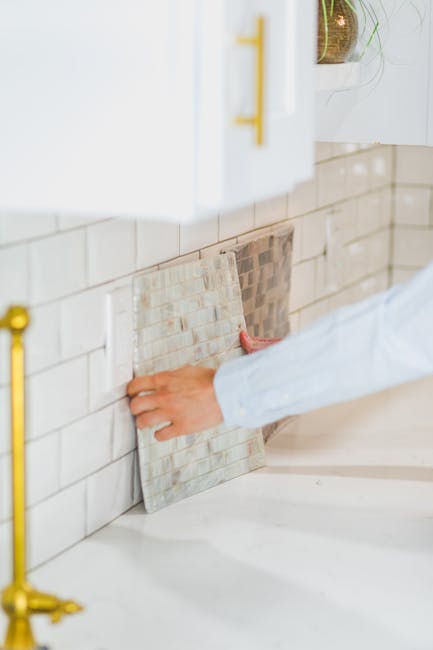
Your outdoor kitchen should look good too. Choose colors that match your home. Use natural stonesfor a classic look. Tiles can add a pop of color. Stainless steel gives a modern touch. Mix and match materials for a unique style. Make sure it fits well with your outdoor space.
Essential Appliances And Features
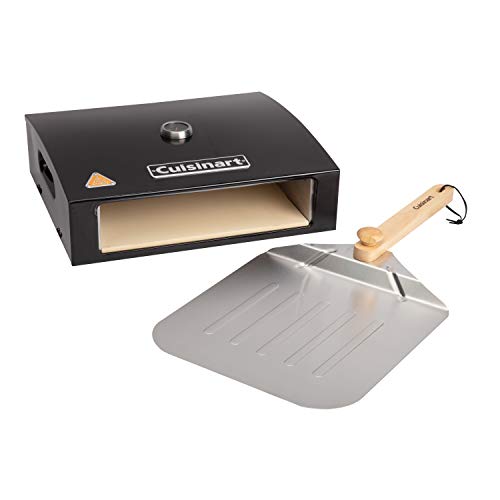
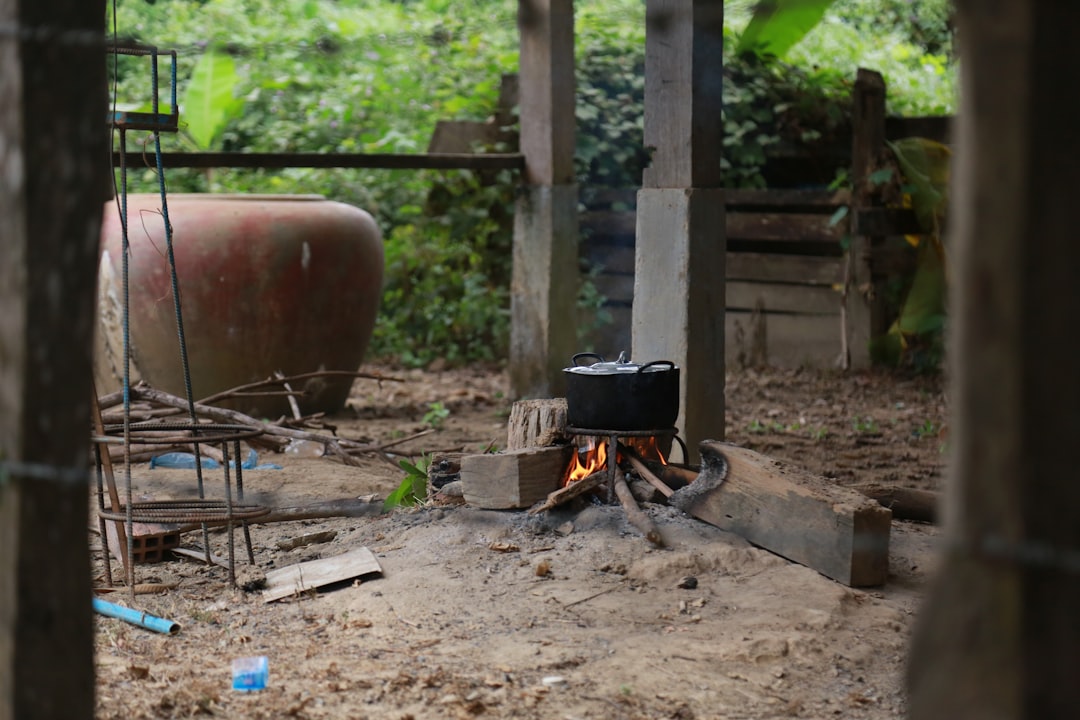
A grill is the heartof any outdoor kitchen. Choose between gas or charcoal grills. Many people like gas grills for fast cooking. Charcoal grills give food a smoky taste. Bothtypes have their fans. Don’t forget other cooking tools. A pizza oven can make family nights fun. Think about adding a side burner too.
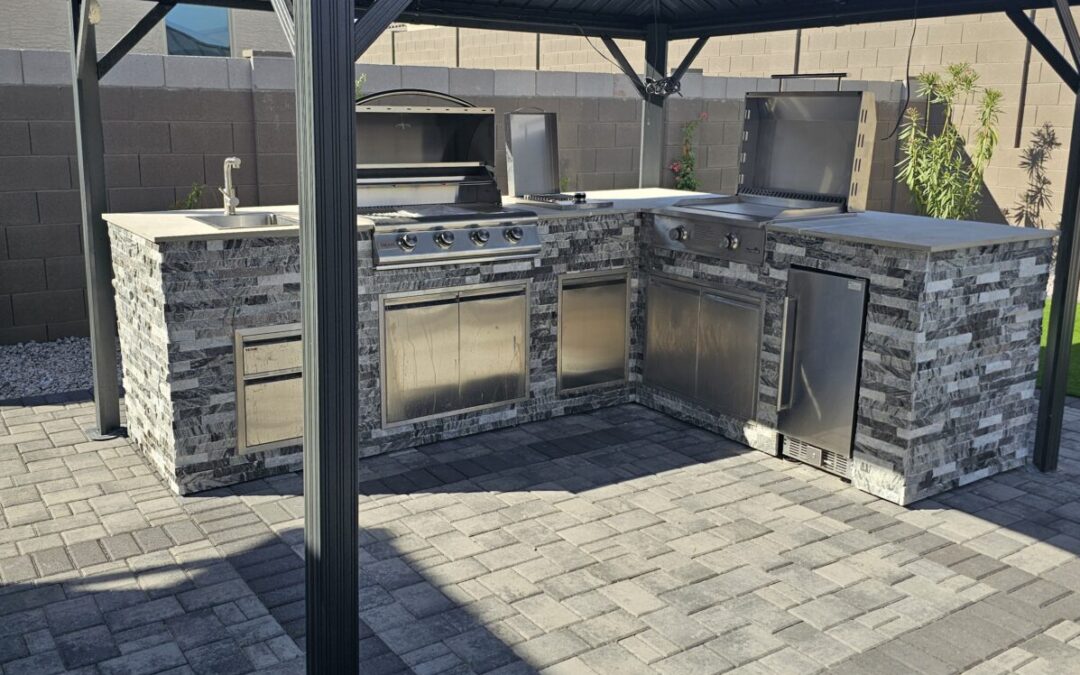
Cold storageis crucial for drinks and food. An outdoor fridge keeps everything fresh. It should be weatherproofand durable. Cabinets offer space for pots and pans. Choose materials that resist rain and sun. Your kitchen will stay neat and tidy.
A sink makes cooking outside easier. Wash veggies and hands on the spot. Ensure the plumbing works well. Hot and cold water options are best. Use pipes that can handle outdoor weather. This helps avoid leaks and damage.
Credit: www.eztube.com
Incorporating Dining And Seating Areas
Adding dining and seating areas to your outdoor kitchen creates a welcoming space. Arrange comfortable chairs and a sturdy table nearby. This layout encourages socializing and enhances the overall cooking experience.
Choosing Comfortable Seating
Comfortable seating makes outdoor kitchens inviting. Soft cushions provide extra comfort. Choose durable materials like wicker or metal. These resist weather and last longer. Chairs with armrests can be more relaxing. Benches offer seating for many guests. Mix different styles for a fun look.
Table And Dining Options
| Option | Advantages |
|---|---|
| Wooden Table | Natural look, sturdy |
| Metal Table | Durable, modern style |
| Glass Table | Sleek design, easy to clean |
Shade And Shelter Solutions
Shade keeps guests cool. A simple umbrella works well. Pergolas add style and shade. Canopies provide shelter from rain. Trees give natural shade and beauty. Consider adding curtains for extra privacy. Shade solutions make outdoor areas comfortable.
Lighting And Ambiance
Outdoor kitchens benefit greatly from strategic lighting and ambiance. Soft lights create a welcoming atmosphere for evening gatherings. Incorporating lanterns and string lights enhances the outdoor cooking experience.
Task Lighting For Cooking
Good task lighting helps you see clearly while cooking. Bright lights over the grill are useful. Place lights near the prep area. LED lights are long-lasting and bright. They save energy too.
Ambient Lighting For Evenings
Soft lights create a cozy feel. Use lights around the seating area. Solar lights are great for outdoor spaces. They charge during the day and shine at night. String lights add charm and warmth.
Decorative Lighting Ideas
- Lanterns add style and color.
- Lighted plants look magical.
- Use candles for a romantic touch.
Decorative lights make your kitchen unique. Choose lights that match your theme. Colored lights can change the mood.

Credit: pbphomerepair.com
Safety And Maintenance Tips
Always have a fire extinguisher nearby. It should be easy to reach. Keep flammable items far from the grill. This includes paper towels and cloths. Use long-handled tools when grilling. They keep your hands safe from heat. Never leave the grill unattended. Fires can start quickly and spread fast. Make sure children and pets stay away from the grill area. Safety comes first always.
Clean your grill after each use. It helps avoid grease build-up. Check for gas leaks regularly. Leaks can cause dangerous situations. Inspect all appliances for wear and tear. Fix any issues immediately. Keep surfaces free from dirt and debris. This ensures a clean cooking space. Regular maintenance extends the life of your kitchen.
Use covers to shield appliances from rain. This prevents rust and damage. Store cushions and fabrics indoors during bad weather. Wind and rain can ruin them. Apply weatherproof sealant to wooden surfaces. It guards against moisture damage. Choose stainless steel for outdoor appliances. It’s more resistant to weather changes. Proper protection keeps your kitchen looking new.
Frequently Asked Questions
What Are The Essential Components For An Outdoor Kitchen?
An outdoor kitchen typically includes a grill, countertop space, sink, and storage areas. You might also add a refrigerator, pizza oven, or smoker for more versatility. Choosing weather-resistant materials ensures longevity. Don’t forget to incorporate proper lighting and seating to enhance the outdoor dining experience.
How Much Does It Cost To Build An Outdoor Kitchen?
The cost of an outdoor kitchen varies greatly based on design and materials. Basic setups start around $2,000 to $5,000. High-end designs can exceed $50,000. Factors like appliances, countertops, and custom features impact the overall price. Planning your budget in advance ensures a smooth construction process.
What Materials Are Best For Outdoor Kitchen Countertops?
Granite, concrete, and stainless steel are popular choices for outdoor kitchen countertops. These materials are durable and weather-resistant. Tile and soapstone are also viable options but may require more maintenance. Ensure that the material complements your outdoor aesthetic and withstands the elements.
How Do You Maintain An Outdoor Kitchen?
Regular cleaning and maintenance are essential for outdoor kitchens. Cover appliances when not in use to protect them from the elements. Clean surfaces with mild soap and water to prevent stains. Check for rust or wear and address issues promptly.
Seasonal inspections ensure everything remains in good working order.
Conclusion
Building an outdoor kitchen transforms your backyard into a perfect gathering spot. It offers a space for cooking and entertaining outside. Choose durable materials that withstand weather changes. Consider a layout that fits your cooking style and space. Add necessary appliances like grills, sinks, and storage.
Safety is key, so ensure good lighting and ventilation. Personal touches make it unique. Plants or decorative lights can enhance the ambiance. With careful planning, your outdoor kitchen becomes an enjoyable part of your home. Invite friends over. Enjoy meals under the sky.
Cooking outside creates lasting memories.