Imagine coming home to a kitchen that reflects your style, every piece handpicked or hand-crafted by you. Now, picture the centerpiece of this kitchen—a table that’s not only functional but also a testament to your creativity.
Crafting your own kitchen table might seem challenging, but it’s easier than you think. This guide will walk you through the process, step by step, helping you create a table that’s perfect for your space. You’ll discover the joy of building something with your own hands, and the satisfaction of knowing it’s uniquely yours.
Whether you’re looking to save money, or simply want a project to dive into, making your own kitchen table can be a rewarding experience. Stick around, and let’s turn your kitchen dreams into reality.
Credit: www.tiktok.com
Choosing Materials
Wood is a popular choice for tables. Oak is strong and lasts long. Pine is softer but cheaper. Cherry gives a rich color. Each type has its own feel. Some woods may need more care. Choose based on looks and usage.
Metal can be sleek and modern. Steel is very strong and shiny. Aluminum is light and won’t rust. Iron gives a rustic feel. Each metal has its own style. Metal tables are often easy to clean.
Glass adds elegance to a table. Clear glass makes a room look bigger. Frosted glass adds privacy. Tinted glass can add color. Glass needs careful handling. It can break if not protected well.
Designing The Table
Crafting a kitchen table involves selecting quality wood, measuring accurately, and assembling with sturdy joints. Sand the surface smooth for a sleek finish, then apply protective varnish to enhance durability. Personalize with paint or stain to match your kitchen’s style.
Size And Shape Considerations
Think about the space in your kitchen. How big is it? Measure the room first. This helps you know how big the table should be. A small kitchen needs a small table. Big kitchens can have big tables. Decide on the shape. Rectangle, round, or square? Each shape fits differently. Round tables are cozy and take less space. Rectangular tables are great for big families.
Style And Aesthetic Choices
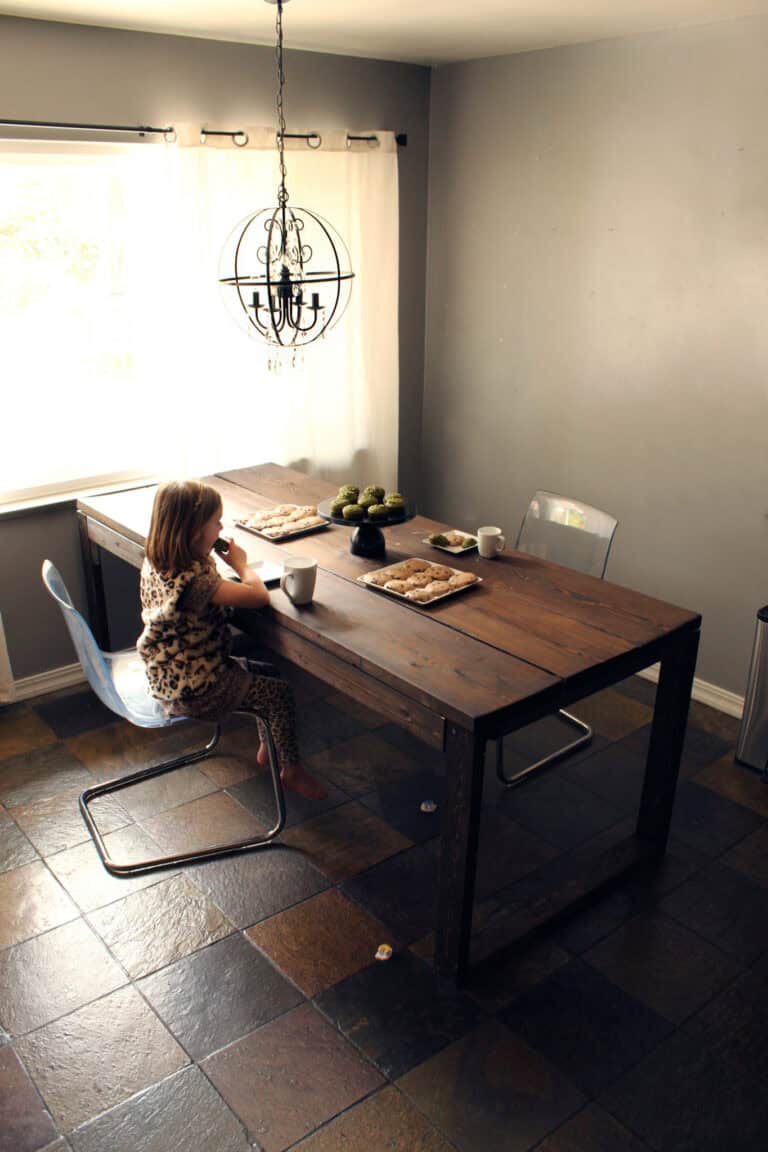
Choose a style you love. Modern, rustic, or traditional? Each style has a look. Rustic tables use wood and look old. Modern tables are sleek and shiny. Add color to match your kitchen. Light colors make rooms look big. Dark colors add warmth and coziness.
Drawing The Blueprint
Draw a plan first. Use paper or computer. Mark where legs go. Sketch the tabletop size. Add details like colors or patterns. Blueprints help builders understand your idea. Clear plans mean fewer mistakes. Double-check all measurements. Mistakes cost time and money.
Gathering Tools
Gather essential tools like a saw, drill, and measuring tape to build a sturdy kitchen table. Choose quality wood and ensure precise measurements for a perfect fit. Securely assemble using screws and sand edges for a smooth finish.
Essential Hand Tools
A measuring tapehelps check the table size. Clampshold wood pieces together. A sawcuts the wood neatly. Screwdriverstighten screws in place. Sandpapersmooths rough wood. These tools are very important.
Power Tools Needed
- Drillfor making holes
- Electric sanderfor smooth surfaces
- Jigsawfor cutting shapes
- Routerfor edges
Safety Equipment
Wearing gogglesprotects eyes from dust. Gloveskeep hands safe. A maskkeeps dust away from nose. Use these tools to stay safe. Safety is very important.
Cutting And Preparing Components
Start by using a tape measureto check your wood pieces. Ensure each piece is the correct size. Draw straight lines with a pencilfor guidance. This will help in cutting the wood accurately. Use a square toolto make perfect corners. Neat lines will make your table look better.
Choose the right sawfor your wood type. A hand saw is good for small cuts. For bigger pieces, use a power saw. Always saw along the marked lines. This keeps the edges clean and straight. Wear safety glasses to protect your eyes.
Use sandpaperto smooth out rough edges. Start with rough sandpaper first. Then switch to a finer type. Sand in the direction of the wood grain. This makes the surface even and nice to touch. Check the surface by running your hand over it. It should feel smooth without any bumps.
Assembling The Table
Assembling the Table Gather all your materials and tools before you start. Connect the legs to the tabletop using screws. Ensure everything is tight and stable. Adjust the height if needed. Check for wobbling and make necessary adjustments. Finish by sanding any rough edges for a smooth look.
Joining Techniques
Use strong screws to hold the table parts together. Drill holes first. This helps the wood not to crack. Use glue for extra strength. Let the glue dry before moving on. Clamps can hold pieces tight while the glue dries. Proper joining makes the table last longer.
Securing The Legs
Attach the legs using bolts for better support. Make sure each leg is straight. Use a level tool to check. Tighten the bolts well. If the legs wobble, the table won’t be stable. A stable table is safe and sturdy.
Fixing The Tabletop
Place the tabletop on the base. Align it properly. Secure it with screws. Use at least four screws per side. This keeps the tabletop flat. A secure tabletop prevents accidents. Check all screws are tight before using the table.
Finishing Touches
Add a personal touch to your kitchen table by sanding and smoothing the surface. Apply a stain or paint that matches your kitchen’s style. Seal with a protective finish to ensure lasting beauty and durability.
Staining And Sealing
Choose a stain color you like. Apply the stain with a brush. Let it dry for a few hours. Seal the table with a clear coat. This protects the wood from damage. It makes the table last longer.
Adding Protective Coatings
Use a protective coating to keep the table safe. Choose a coating type that suits your style. Apply it evenly with a brush. Wait for it to dry completely. This helps the table resist spills and scratches.
Polishing For Shine
Polish the table to make it shine. Use a soft cloth and polish wax. Rub the wax on the table gently. Buff the surface to get a smooth look. A polished table looks clean and bright.
Maintaining Your Table
Crafting a kitchen table requires care and precision. Select sturdy materials like oak or pine for durability. Assemble the pieces, ensuring stability and balance, to create a functional and inviting centerpiece for family gatherings.
Cleaning Tips
Use a soft cloth to wipe the table daily. Avoid harsh chemicals on the wood. Mild soap and water work best. Dry the surface with a clean towel. Prevent water rings by using coasters. A weekly polish keeps the table shiny.
Repairing Scratches
Small scratches can be fixed with a walnut. Rub the nut over the scratch gently. The oil from the nut helps hide the mark. For deeper scratches, use a wood filler. Match the filler color to your table. Sand lightly after it dries.
Long-term Care Advice
Keep the table away from direct sunlight. Sunlight can fade the wood color. Use table mats during meals. This prevents stains and heat damage. Check screws and joints regularly. Tighten them if they become loose. A stable table lasts longer.
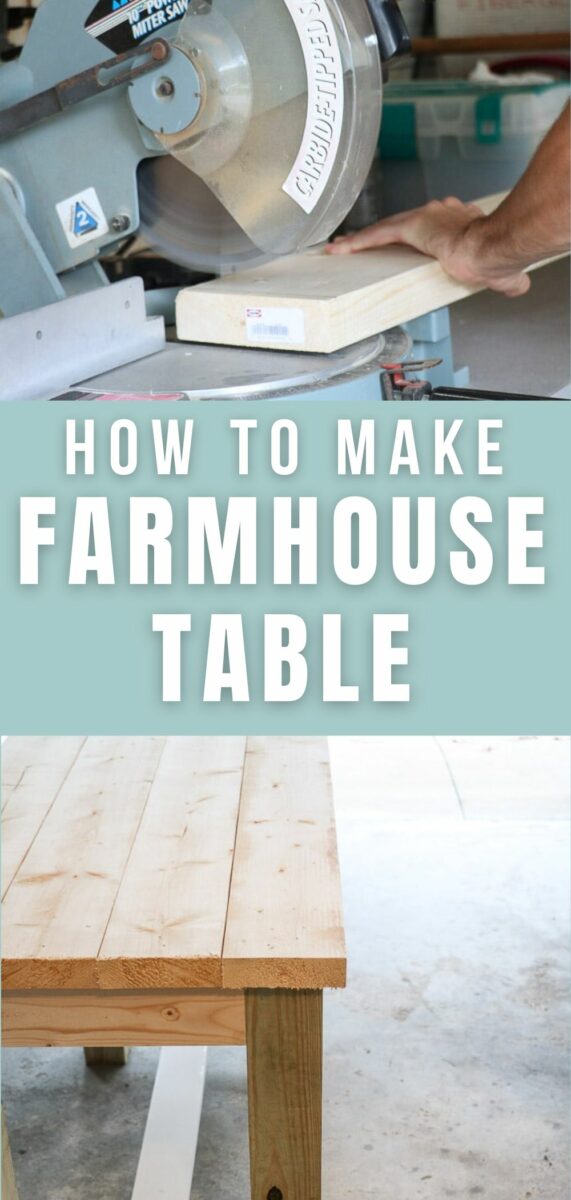
Credit: lifeonsummerhill.com

Credit: www.instagram.com
Frequently Asked Questions
What Materials Do I Need For A Kitchen Table?
To make a kitchen table, you’ll need wood, screws, a saw, sandpaper, and wood glue. Choose a durable wood like oak or pine. Gather all tools including a drill and measuring tape. These materials ensure your table is sturdy and long-lasting.
How Long Does It Take To Build?
Building a kitchen table typically takes around 8 to 12 hours. This timeframe includes cutting, assembling, and finishing the table. Time may vary based on your skill level and complexity of the design. Allocate a weekend to complete your project comfortably.
What Tools Are Necessary For This Project?
Essential tools include a saw, drill, measuring tape, and sandpaper. A screwdriver, clamps, and a level are also helpful. These tools ensure precise cuts and a stable assembly. Investing in quality tools can make the process smoother and more efficient.
Can I Customize The Table Design?
Yes, you can customize the table design to suit your preferences. Adjust dimensions, choose different finishes, or add unique features. Personalizing your table ensures it matches your kitchen’s style and meets your functional needs. Explore design inspirations online for creative ideas.
Conclusion
Creating your own kitchen table can be truly rewarding. You gain a unique piece tailored to your space. Plus, you save money and learn new skills. This project encourages creativity and craftsmanship. Step by step, you transform raw materials into a functional centerpiece.
Enjoy meals, conversations, and memories around your handmade table. The pride of building it yourself is unmatched. So, gather your tools and start today. Embrace the journey of making something special. With patience and effort, your kitchen table will be the heart of your home.