Have you ever stood in your kitchen, pondering just how deep your cabinets really are? You’re not alone.
Understanding the depth of your kitchen cabinets isn’t just about measurements; it’s about maximizing space, enhancing functionality, and ensuring everything from your pots to your pantry items fits perfectly. Imagine opening a cabinet and effortlessly finding what you need, with no clutter or mess.
That’s the magic of knowing the right depth for your kitchen cabinets. You’re about to discover how this simple insight can transform your cooking space into a haven of efficiency and style. Keep reading, because the secrets to a perfectly organized kitchen are right at your fingertips.
Standard Kitchen Cabinet Depths
The typical depth for kitchen cabinets is around 24 inches. This size works well for most kitchens. It allows for storage and access. Some cabinets can be 12 inchesdeep. These are often used for upper cabinets. They hold plates and glasses. Deeper cabinets can be 36 inches. These provide extra space. They are less common. Always measure your kitchen space first. This helps in choosing the right depth. Proper depth ensures easy reach. It also maximizes storage space.
Keep your kitchen needs in mind. This helps in selecting the best cabinet depth. Remember, the right depth improves kitchen function. It also keeps things organized. Choose wisely for a happy kitchen!
Factors Affecting Cabinet Depth
Cabinet depth in kitchens depends on appliance size, storage needs, and room layout. Standard depths range from 12 to 24 inches. Proper measurement ensures functionality and space efficiency.
Space Availability
Cabinet depth depends on the space in your kitchen. Smaller kitchens need shallow cabinets. Larger spaces allow for deeper cabinets. Measure your kitchen before choosing cabinet depth. Make sure doors open easily.
Storage Needs
Think about what you need to store. Pots and pans need more space. Plates and cups can fit in shallow cabinets. Deep cabinets hold more items. Choose depth based on your storage needs.
Design Preferences
Your kitchen style affects cabinet depth. Modern kitchens might have sleek, shallow cabinets. Traditional kitchens often have deeper cabinets. Pick a depth that fits your kitchen’s look. Balance style with function.
Types Of Kitchen Cabinets
Base cabinets sit on the floor. They hold heavy items. Their depth is usually 24 inches. You store pots and pans inside them. They help with cooking tasks. Base cabinets are sturdy. They often have drawers. Drawers slide out easily. These cabinets support countertops. They are very important in the kitchen.
Wall cabinets hang on the wall. Their depth is around 12 inches. They store plates and glasses. You find them above counters. Wall cabinets are easy to reach. They keep things organized. Most have shelves. Shelves are adjustable. Some have glass doors. Glass doors show what’s inside.
Tall cabinets are very high. They reach from floor to ceiling. Their depth is often 12 to 24 inches. You store food and big items here. They have lots of space. Tall cabinets can have many shelves. Shelves hold many things. These cabinets are perfect for pantries. They help you keep everything in one place.
Custom Vs. Stock Cabinets
Custom cabinets fit your kitchen perfectly. They are made to your needs. Choose the wood, color, and style. This makes your kitchen unique. Custom cabinets use every inch of space. They can have special features like spice racks. These cabinets last long. They are built with care and quality materials. Custom cabinets are worth the money. They make your kitchen look special.
Stock cabinets are ready to use. They are cheaper than custom ones. These cabinets come in many sizes and styles. You can find them in stores easily. Stock cabinets are quick to install. They save time and effort. You can paint them to match your kitchen. Stock cabinets are a simple choice. They work well for most kitchens.
Measuring For Cabinet Depth
Kitchen cabinets typically have depths ranging from 12 to 24 inches. Accurate measuring ensures a perfect fit for your space. Use a tape measure to determine the precise depth needed for your kitchen layout.
Tools Needed
- Tape measure for accurate measurements.
- Notepad to write down sizes.
- Pencil for marking spots.
Step-by-step Guide
Open the cabinet doors. Measure from the back wall to the front edge. Use the tape measure. Write down the number on your notepad. Check if the cabinet is empty. Obstacles can change measurements. Measure the width too. This helps to understand space. Note down both measurements clearly.

Credit: houseofcabinet.com
Impact Of Cabinet Depth On Kitchen Design
Cabinet depth affects how a kitchen looks. Deeper cabinets offer more storage. They can make a kitchen look sleek and modern. Shallow cabinets save space. They make a kitchen feel open and airy. The depth you choose can change the style of your kitchen. It can make it cozy or spacious. Think about your kitchen’s overall look when choosing. Deep cabinets can also make it feel cluttered if not planned well.
Cabinet depth plays a big role in function. Deep cabinets hold more items. They help store large pots and pans. Shallow cabinets are easier to reach. You can find things quickly. Consider the height of family members. Short people might struggle with deep cabinets. Think about what you need to store. This helps decide the best depth for your kitchen. You want a kitchen that is easy to use every day.
Trends In Kitchen Cabinet Design
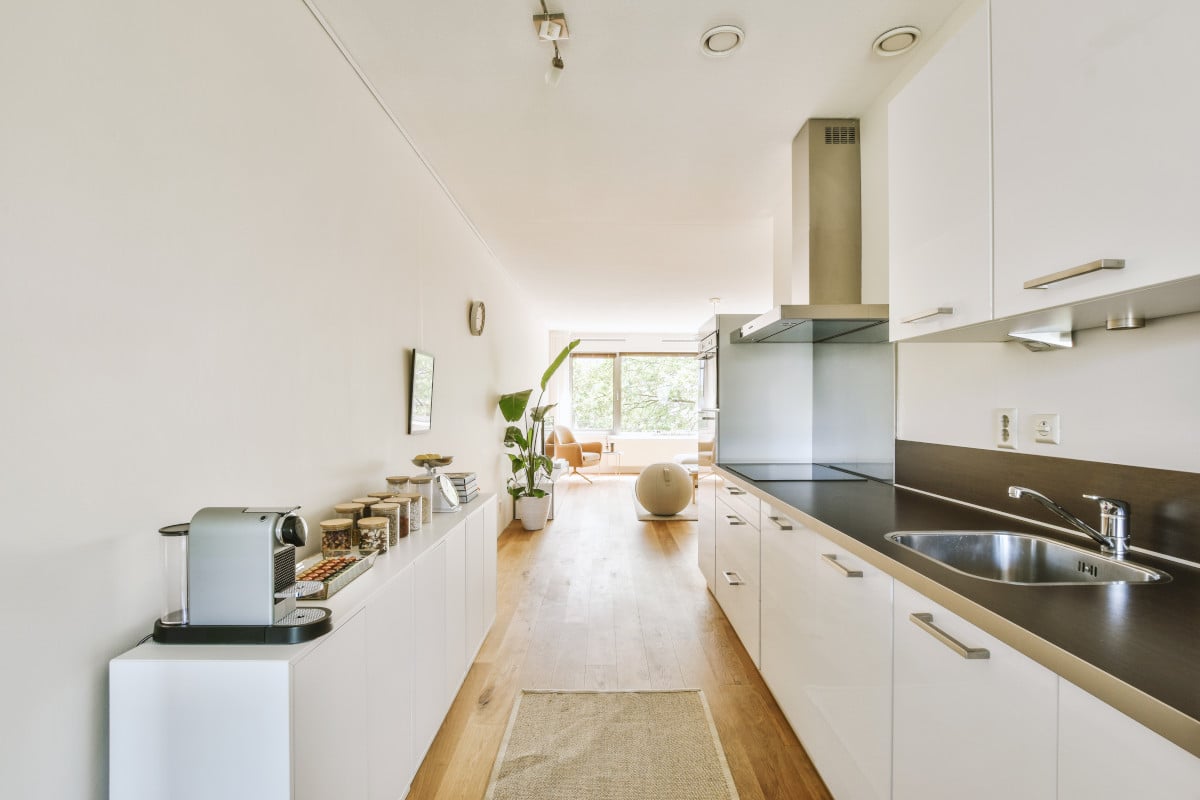
Modern kitchen cabinets focus on simplicity and clean lines. Many cabinets have smooth surfaces and sleek handles. Colors are often neutral. White, grey, and black are popular choices. Less is more in this style. Open spaces make the kitchen feel larger. Hidden storage keeps clutter away. Simple designs can make a big impact. They create a calm cooking space.
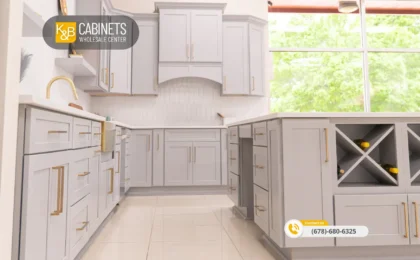
Traditional cabinets have rich wood tones and ornate details. They often feature decorative molding and carvings. Oak and cherry wood are common materials. Warm colors add a cozy feel. Hardware can be brass or bronze. These cabinets have a timeless look. They give the kitchen a classic feel. Beautiful designs make cooking more enjoyable. They bring a touch of luxury to everyday life.
Credit: www.27estore.com
Credit: knbcabinet.com
Frequently Asked Questions
How Deep Are Standard Kitchen Cabinets?
Standard kitchen base cabinets are typically 24 inches deep. This depth provides ample space for storage and countertop support. Wall cabinets are usually 12 inches deep. However, custom cabinets can vary in depth to suit specific needs or design preferences, offering flexibility in kitchen layouts.
Are Deeper Cabinets Better For Storage?
Deeper cabinets can offer more storage space for larger items. However, they may make it harder to reach items in the back. It’s essential to balance depth with accessibility. Adjustable shelving and pull-out trays can enhance storage efficiency in both standard and deeper cabinets.
What Is The Ideal Depth For A Small Kitchen?
For small kitchens, a cabinet depth of 18 to 20 inches is ideal. This depth helps maximize space and improve movement. It also ensures that the kitchen doesn’t feel cramped. Shallow cabinets can still offer adequate storage with smart organization solutions.
Do Deeper Cabinets Increase Kitchen Costs?
Yes, deeper cabinets can increase costs due to more materials and custom work. They may also require specialized installations. However, the added functionality can be worth the investment. It’s important to weigh the cost against the benefits of enhanced storage and design flexibility.
Conclusion
Kitchen cabinet depth plays a crucial role in functionality. Optimal depth ensures easy access and storage. Standard depths vary, fitting different kitchen needs. Consider your kitchen space and storage requirements. Proper depth enhances organization and efficiency. Shallow cabinets suit small items, while deeper ones hold larger items.
Measure carefully before purchasing or installing. Tailoring cabinet depth improves kitchen usability. Always prioritize practicality and convenience. A well-planned kitchen makes cooking enjoyable and stress-free. Knowing your options helps in making informed choices. So, choose wisely for a functional and pleasant kitchen experience.