Are you tired of spending countless hours scrubbing dishes by hand? Adding a dishwasher to your kitchen might be the game-changer you’ve been looking for.
Imagine the convenience of having sparkling clean dishes without the hassle. You’ll discover how simple it can be to install a dishwasher in your kitchen, transforming your daily routine and saving you precious time. Whether you’re upgrading your current setup or installing one for the first time, we’ve got you covered with step-by-step guidance.
Dive in, and let’s turn your kitchen into an efficient powerhouse!
Choosing The Right Dishwasher
A dishwasher must fit in your kitchen. Measure the space carefully. Choose a size that fits perfectly. Compact models are great for small kitchens. Standard sizes are ideal for bigger spaces. Check door opening space too. Ensure there’s enough room to open it fully.
Energy-efficient models save on electricity bills. Look for the Energy Star label. This label means the dishwasher uses less power. Efficient models are better for the environment. They use less water too. Saving energy helps reduce global warming.
- Adjustable racks:Fit large dishes easily.
- Noise level:Quiet models are best for open kitchens.
- Delayed start:Wash when you’re not home.
- Child lock:Keep kids safe.

Credit: www.tiktok.com
Preparing The Kitchen
Measure the space where the dishwasher will go. Use a tape measure to check the width, depth, and height. Make sure the dishwasher fits well. Leave some space for the door to open. This helps in easy loading and unloading. Double-check your measurements before buying a dishwasher.
Check if there is a power outlet near the space. The outlet should be grounded and safe. Look for a water supply line and a drain. These are important for the dishwasher to work. If they are not there, call a plumber and an electrician. They will help set up these connections.
Choose a spot close to the sink. This makes plumbing easier. Think about the layout of your kitchen. Make sure the dishwasher does not block walkways. It should be easy to reach from the cooking area. A well-placed dishwasher saves time and effort.
Gathering Necessary Tools And Materials
Gather essential tools and materials like a screwdriver, wrench, and plumber’s tape for installing a dishwasher. Ensure you have the necessary hoses, connectors, and power supply components ready. This preparation simplifies the installation process and avoids unnecessary delays.
Essential Tools For Installation
Installing a dishwasher needs some essential tools. First, a screwdriver is needed. It helps with screws and fittings. Next, a wrench is important. It tightens connections easily. A drill may be required for making holes. Finally, tape measure ensures correct measurements. These tools make the job easier.
Required Materials And Parts
Some materials are vital for installation. A dishwasher supply line is crucial. It brings water to the dishwasher. Next, a drain hose is needed for water exit. Ensure you have a power cord for electricity. Brackets and screws are necessary for securing the dishwasher. These parts help in successful installation.
Installing The Dishwasher
First, turn off the main water supply. Use a wrench to connect the dishwasher hose to the water valve. Make sure it is tight to avoid leaks. Next, attach the drain hose to the sink’s drain pipe. Secure it with a clamp. This helps water flow out easily. Double-check all connections for tightness.
Ensure power is off at the circuit breaker. Find the dishwasher’s electrical box. Connect the wires: black to black, white to white, and green to ground. Use wire nuts to secure them. Tape the nuts with electrical tape. This keeps them from loosening. Check connections twice for safety.
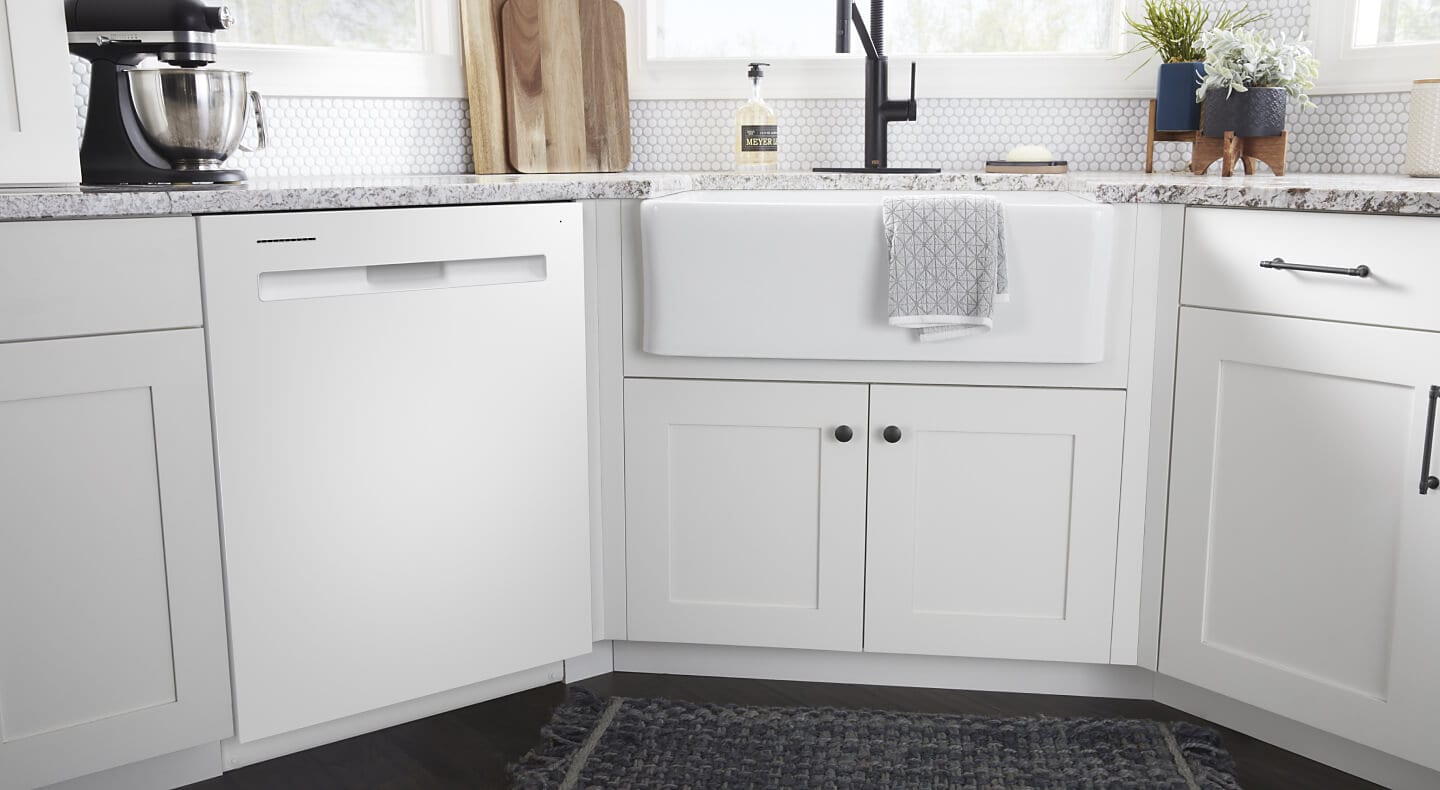
Slide the dishwasher into its spot. Make sure it’s centered and not tilted. Use a level tool to check. Adjust the legs if needed. They screw in and out. This keeps the dishwasher steady during use. A stable dishwasher runs smoothly.
Testing And Final Adjustments
Testing and final adjustments ensure the dishwasher works seamlessly. Check for leaks and verify proper drainage. Adjust settings for optimal performance and efficiency.
Running A Test Cycle
Start by turning on the dishwasher. Pick a simple wash cycle. This will help check the basic functions. Listen for any unusual sounds. Make sure the water flows well. The cycle should run smoothly. If it doesn’t, you may need to adjust settings. Always keep an eye on the progress.
Checking For Leaks And Noise
Look around the dishwasher. Search for any water leaks. Use a flashlight to see better. Leaks can damage your kitchen floor. Listen for loud noises too. A quiet dishwasher works best. If you find leaks or noise, fix them quickly. Tighten loose parts or call a plumber.
Making Final Adjustments
After testing, make final changes. Adjust the dishwasher’s position. Ensure it sits level on the floor. This helps it work better. Check the door seal. A tight seal keeps water inside. Adjust any loose screws or hinges. Finally, test the dishwasher again. Make sure it runs perfectly.
Credit: www.maytag.com
Maintenance Tips
Clean the filter monthly to keep it working well. Wipe the seals with a damp cloth every week. Use a vinegar rinse once a month to remove odors. Check spray arms for blockages. Remove food scraps before loading dishes. Use the right detergent for your water type.
If dishes are not clean, check the water temperature. Inspect spray arms for clogs. Ensure the dishwasher is level to prevent leaks. Listen for unusual noises. Check the drain for blockages. Examine the door seal for wear or damage.
- Run empty with vinegar monthly.
- Check for leaks often.
- Use quality detergent.
- Replace worn parts promptly.
- Load dishes properly.
- Don’t overload it.

Credit: www.facebook.com
Frequently Asked Questions
How Do I Choose A Dishwasher For My Kitchen?
Selecting a dishwasher depends on size, features, and budget. Measure your kitchen space to ensure a proper fit. Decide on essential features like energy efficiency, quiet operation, and capacity. Read reviews and compare brands to make an informed choice that suits your needs and kitchen design.
What Tools Are Needed To Install A Dishwasher?
You’ll need basic tools like a screwdriver, adjustable wrench, and pliers. A drill may be necessary for cabinet modifications. Ensure you have plumbing supplies like Teflon tape and a water supply line. Follow the installation guide provided by the dishwasher manufacturer for a smooth setup process.
Can I Install A Dishwasher Myself?
Yes, you can install a dishwasher yourself with basic DIY skills. Follow the manufacturer’s instructions and ensure all connections are secure. Be cautious with electrical and plumbing work. If you’re unsure or uncomfortable, consider hiring a professional to ensure safe and proper installation.
How Much Space Is Needed For A Dishwasher?
Standard dishwashers require a space of approximately 24 inches wide, 24 inches deep, and 35 inches high. Check your kitchen dimensions to ensure a snug fit. If space is limited, consider compact or portable models designed for smaller kitchens or unique layouts.
Conclusion
Adding a dishwasher enhances your kitchen’s efficiency. It saves time and effort. Follow the steps carefully for a smooth installation. Ensure you have the right tools and materials. Consult a professional if needed. This addition can simplify your daily chores.
Your kitchen becomes more organized and functional. Enjoy cleaner dishes with less hassle. Consider energy-efficient models for cost savings. A dishwasher is a valuable kitchen upgrade. Explore your options and choose wisely. Embrace the convenience it brings to your home.
Happy dishwashing!