Are you tired of dealing with a slow-draining kitchen sink? Does the unpleasant odor of stagnant water make cooking less enjoyable?
You’re not alone. Kitchen drains can often become clogged, leading to frustration and inconvenience in your daily routine. But don’t worry – there’s a simple solution to help you restore the flow and freshness of your kitchen drain. We’ll guide you step-by-step on how to clean a kitchen drain efficiently and effectively.
You’ll discover practical tips and techniques that will not only solve your current problem but also prevent future blockages. So, get ready to reclaim your kitchen’s functionality and enjoy a cleaner, fresher environment. Keep reading to learn how you can tackle this common household issue with ease!
Identifying The Clog Source
Sometimes the drain gets clogged. Water drains slowly or not at all. Bad smells come from the sink. These are signs of a clogged drain. Check for food particles. Look for grease buildup. Inspect for soap scum.
Signs Of A Clogged Drain
- Water drains slowly.
- Bad smell from the sink.
- Gurgling sounds in the pipes.
- Standing water in the sink.
Common Causes Of Blockage
| Cause | Description |
|---|---|
| Food particles | Food can get stuck in the drain. |
| Grease | Grease hardens and blocks pipes. |
| Soap scum | Soap builds up and clogs drains. |
| Hair | Hair collects and creates blockages. |
Gathering Essential Tools
Several tools are needed to clean the kitchen drain. A plunger helps clear clogs by creating suction. Baking soda and vinegar are great for breaking down grime. A pipe brush reaches deep into the drain for cleaning. Rubber gloves protect hands from dirt and chemicals.
Safety is very important while cleaning drains. Wear rubber gloves to protect your skin. Use goggles if chemicals are involved. Make sure the area is well ventilated. Be cautious when using chemical cleaners. Never mix different cleaners; it can be dangerous.
Using Boiling Water
Pour boiling water directly into the kitchen drain to dissolve grease and remove clogs effectively. This simple method helps maintain a clean, odor-free drain, preventing buildup and blockages with regular use.
Step-by-step Guide
Start by boiling a pot of water. Pour the hot water slowly down the drain. This helps loosen debris and grime inside the pipes. Repeat the process if needed. Boiling water is safe for most drains. It can dissolve grease and food bits. Be careful with plastic pipes. Test a small amount first.
When To Use This Method
Use this method for minor clogs. Ideal for routine maintenance. It helps keep pipes clear and clean. Avoid using it on major blockages. Boiling water is quick and easy. It works best for small food particles. Perfect for kitchen sink upkeep.
Applying Baking Soda And Vinegar
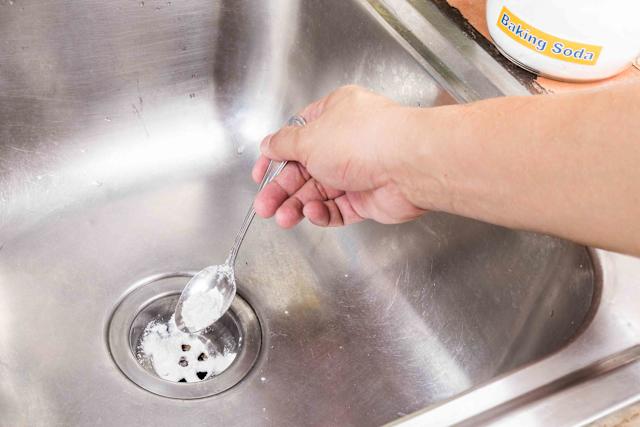
Mix baking soda with vinegar to clear kitchen drains. Pour the mixture down the drain, then flush with hot water. This combination helps dissolve clogs and eliminates odors effectively.
Mixing The Solution
Use equal parts of baking sodaand vinegar. Mix them in a cup. Watch them fizz and bubble. This reaction helps clear the drain.
Effective Application Techniques
Pour the mixture down the drain. Wait ten minutes. Flush with hot water. Use a pot of boiling water. Repeat if needed.
Utilizing A Plunger
A plunger can help clear your kitchen drain. First, fill the sink with water. Water helps with suction. Place the plunger over the drain. Make sure it covers the hole fully. Push down firmly. Then, pull back sharply. Repeat this action several times. Check if the water drains slowly. If it does, try again. Plunging needs patience and strength. It can take a few tries.
Not all plungers are the same. A cup plunger works best for sinks. It has a flat bottom. This flat part helps with suction. Rubber plungers are strong and last long. Avoid using toilet plungers for sinks. They might not fit well. Choose a plunger with a sturdy handle. Easy grip helps during plunging. A good plunger makes the task easier.

Credit: www.youtube.com
Trying A Drain Snake
A drain snake is a handy tool. It helps clear clogs in pipes. First, insert the snake into the drain. Turn the handle clockwise. Push gently until you feel resistance. This means you’ve reached the clog. Keep turning the handle to break up the clog. Pull the snake out slowly. Check if the drain flows freely. Repeat if the drain is still blocked. Remember to clean the snake afterward.
| Benefits | Limitations |
|---|---|
| Removes stubborn clogs | May not reach deep clogs |
| Cost-effective solution | Can scratch pipes if not careful |
| Easy to use | Requires some strength |
Chemical Drain Cleaners
Chemical drain cleaners can effectively clear kitchen drains by dissolving clogs caused by grease, food particles, and soap residue. These powerful solutions work quickly, restoring water flow and preventing unpleasant odors. Always follow safety instructions when using to ensure efficient and safe results.
Types Of Chemical Cleaners
There are different types of chemical drain cleaners. Some use acidto break down clogs. Others use alkalifor cleaning. Both types work well. Acid cleaners are strong. They dissolve tough clogs fast. Alkali cleaners are safer. They are less harsh on pipes. Always check the label before use. It helps choose the right cleaner.
Safety Measures And Precautions
- Wear glovesto protect your hands.
- Use gogglesto protect your eyes.
- Work in a ventilated area.
- Keep cleaners away from children.
- Read instructions before using.
- Never mix different cleaners. It is dangerous.

Credit: www.familyhandyman.com
Preventing Future Clogs
Regularly clean your kitchen drain to prevent future clogs. Use baking soda and vinegar for effective, natural cleaning. Flush with hot water to remove residue and keep pipes clear.
Regular Maintenance Tips
Cleaning your drain keeps water flowing smoothly. Pour boiling water down the drain weekly. This clears away grease and food bits. Use a mix of baking soda and vinegar. Let it fizz and bubble. Rinse with hot water after 15 minutes. Check the sink strainer. Remove trapped food and debris. This stops clogs before they start. Remember, small actions make a big difference.
Avoiding Common Mistakes
Never put grease down the drain. It hardens and causes blockages. Avoid flushing food scraps. They can stick and cause trouble. Use cold water when running the garbage disposal. This helps food bits move smoothly. Be careful with chemical drain cleaners. They can damage pipes if used too often. Keep your kitchen drain healthy with smart choices.

Credit: katieskottage.com
Frequently Asked Questions
How Do I Unclog A Kitchen Drain Naturally?
To unclog a kitchen drain naturally, use baking soda and vinegar. First, pour half a cup of baking soda into the drain. Follow with a cup of vinegar. Let it fizz for 15 minutes, then flush with hot water. This method is eco-friendly and effective for minor clogs.
What Tools Do I Need To Clean A Drain?
For cleaning a kitchen drain, you need a plunger, plumber’s snake, and a bucket. Additionally, a wrench can be useful for removing the sink trap. These tools help in effectively removing clogs and ensuring smooth water flow.
Can Boiling Water Clear A Kitchen Drain?
Boiling water can help clear minor kitchen drain clogs. Pour a pot of boiling water down the drain. This can dissolve grease and soap residue. Repeat the process if necessary. However, avoid using boiling water on PVC pipes to prevent damage.
How Often Should I Clean My Kitchen Drain?
Clean your kitchen drain every month to prevent clogs. Regular cleaning helps maintain smooth water flow and prevents bad odors. Use natural methods like baking soda and vinegar for maintenance. Consistent care can help prolong the lifespan of your plumbing system.
Conclusion
Cleaning a kitchen drain can seem daunting. But it’s simple with the right steps. Regular maintenance keeps it flowing smoothly. Use natural solutions like baking soda and vinegar. They are effective and safe. Avoid harsh chemicals that may harm pipes.
A clogged drain disrupts daily chores. So, act quickly when you notice slow drainage. Routine cleaning prevents bigger problems later. Keep your kitchen fresh and functional. Invest a little time now. Enjoy a cleaner, more efficient kitchen environment. A clean drain is just a few steps away.
Follow these tips and enjoy hassle-free kitchen time.