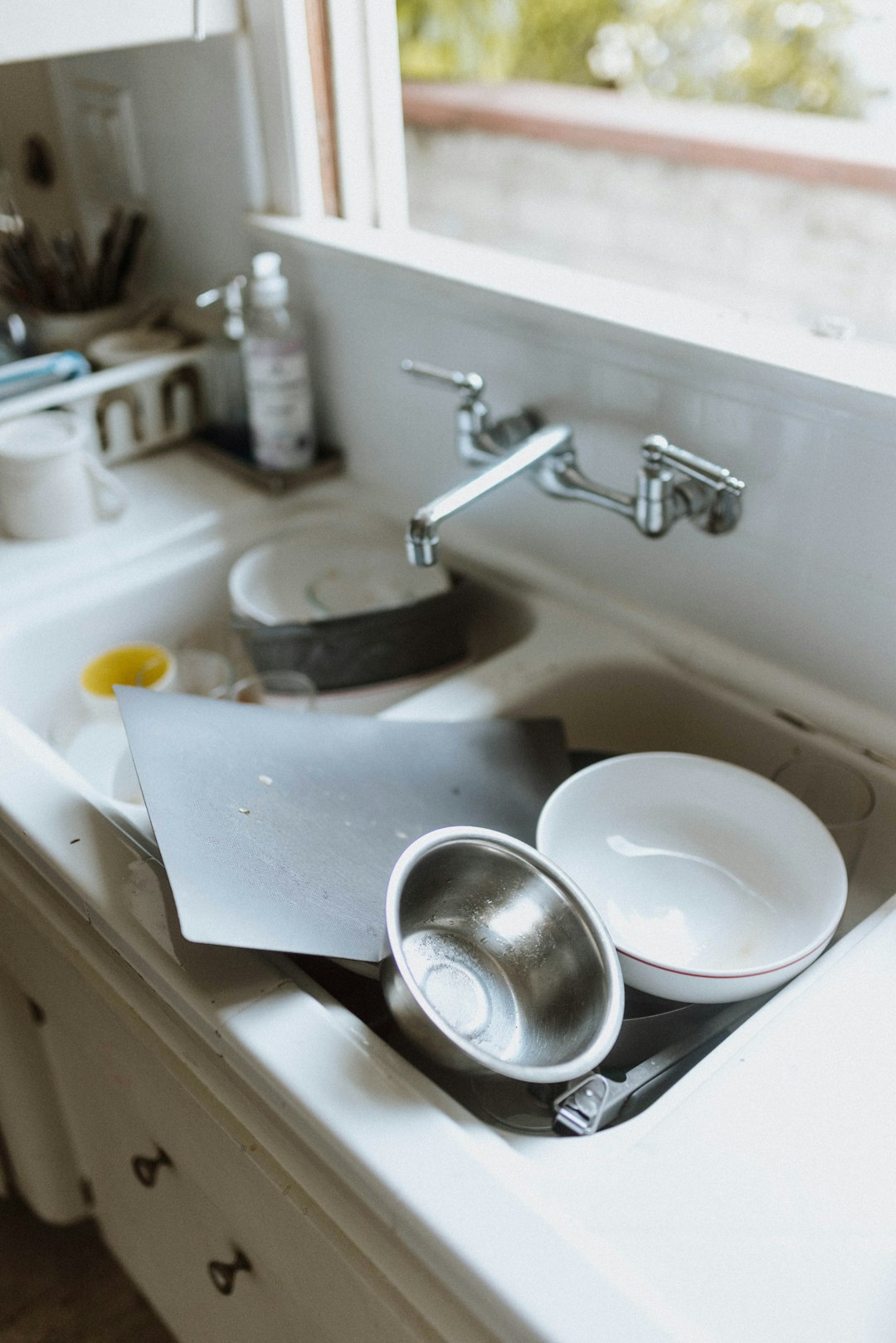
Is your kitchen sink with a disposal acting up, leaving you with standing water and a lingering mess? You’re not alone.
A clogged kitchen sink is a common household woe, and it can disrupt your daily routine in no time. But don’t worry—there’s no need to call a plumber just yet. You can tackle this problem with a few simple steps and get your sink back in working order without breaking a sweat.
Imagine the relief you’ll feel when the water flows smoothly down your drain again, and your kitchen is back to its usual efficiency. The secret to unclogging your sink might just be easier than you think. You’ll discover straightforward tips and tricks to unclog your kitchen sink with a disposal, saving you time, money, and a whole lot of frustration. Keep reading to find out how you can restore order to your kitchen with just a few simple actions.
Common Causes Of Clogs
Food scraps often cause sink clogs. Grease is another culprit. It sticks to pipes. Over time, it builds up. This blocks water flow. Eggshells can also be a problem. They break down slowly. They stick to other waste. Potato peels are bad too. They form a thick paste. This paste clogs the drain.
Sometimes, small objects fall into the disposal. These objects block the blades. They stop the disposal from working. Always check for items before using the disposal.
Soap residue can be a hidden cause. It hardens in the pipes. It mixes with grease. Together, they form a tough blockage.
- Food scrapslike eggshells and potato peels.
- Greasebuild-up over time.
- Small objectsblocking the blades.
- Soap residuemixing with grease.
Safety Precautions
Before starting, wear rubber glovesto protect your hands. Ensure the disposalis off. Unplug it for extra safety. Never stick your hand inside the disposal. Use a flashlight to check for objects. If you see something, use pliers to remove it. Make sure the area is well-lit. Keep childrenand petsaway.
Read the disposal manual for specific instructions. Follow them carefully. Use only tools recommended in the manual. If unsure, call a professional. Stay safe always. Remember, safety is very important.
Initial Assessment
First, check if there’s a blockage in the kitchen sink. Look inside the disposal unit. Ensure it’s not filled with food scraps. Turn off the disposal before checking. Safety is very important here.
Next, inspect the drain. Remove any visible debris. This might solve the problem. If not, proceed to check the disposal blades. Avoid using your hands to clear blades. Use a tool instead.
Listen for unusual noises. These can indicate a problem. Grinding sounds are a sign of trouble. Make sure the disposal is connected correctly. A loose connection can cause issues.
Finally, test the water flow. Run the tap to see if water drains. If water still doesn’t drain, further action may be needed. Assess all possible causes before calling a professional. This can save time and money.
Tools And Materials Needed
To unclog your kitchen sink, gather these essential toolsand materials.
- Plunger– Helps loosen tough clogs.
- Rubber gloves– Keeps your hands clean.
- Bucket– Catches water during the process.
- Wrench– Useful for removing pipes.
- Drain snake– Reaches deep blockages.
- Baking soda– Natural cleaner for pipes.
- Vinegar– Helps dissolve debris.
These items make the task easier. Ensure you have them ready. A plungeris often the first tool used. It can dislodge many clogs. A drain snakecan reach further down. This tool is important for stubborn clogs. Baking sodaand vinegarclean naturally. They are safe for most pipes. Keep rubber gloveshandy for protection. A wrenchmight be needed to remove pipes. A bucketis useful to catch draining water.
Step-by-step Unclogging Guide
Learn how to unclog a kitchen sink with disposal using simple tools and steps. Clear blockages efficiently to keep your sink running smoothly.
Check The Disposal
First, make sure the disposal is off. Look inside for any visible blockages. Use tongs or pliers to remove any large objects.
Reset The Disposal
Locate the reset buttonunder the disposal. Press it to reset the system. This may clear minor jams.
Use Baking Soda And Vinegar
Pour half a cup of baking sodadown the drain. Follow with a cup of vinegar. Wait for 10 minutes, then rinse with hot water.
Plunge The Sink
Fill the sink halfway with water. Use a plungerto create suction and dislodge the clog. Repeat several times for best results.
Check The Pipes
Place a bucket under the pipe. Remove the P-trapand inspect for clogs. Clean it out, then reattach securely.
Preventing Future Clogs
Keep your kitchen sink free from clogs. Avoid putting large food scraps down the disposal. Use a sink strainer to catch small bits. Clean the disposal regularly to remove build-up. Run cold water before and after using the disposal. It helps flush down debris. Avoid pouring grease or oil down the sink. They harden and cause blockages. Occasionally, grind ice cubes to clean blades. They help keep the disposal sharp and fresh. Teach everyone in your home these simple habits. A clean sink means fewer clogs and less stress.
Frequently Asked Questions
How Do I Unclog A Kitchen Sink?
To unclog a kitchen sink, start by removing any visible debris. Use a plunger to create suction and dislodge the blockage. If that doesn’t work, try a mixture of baking soda and vinegar followed by hot water. If the clog persists, consider using a plumber’s snake.
Can I Use Baking Soda And Vinegar?
Yes, baking soda and vinegar can help unclog your kitchen sink. Pour half a cup of baking soda into the drain, followed by half a cup of vinegar. Let it fizz for a few minutes, then flush with hot water.
This method is eco-friendly and effective for minor clogs.
Are Chemical Drain Cleaners Safe For Disposals?
Chemical drain cleaners can be harmful to your disposal and pipes. They might corrode metal parts or damage seals. It’s better to use natural methods like baking soda and vinegar. If you must use chemicals, ensure they are compatible with disposals and follow instructions carefully.
How Often Should I Clean My Disposal?
Regular cleaning every two weeks can prevent clogs and odors. Use ice cubes and salt to freshen your disposal. Grinding lemon or orange peels can add a pleasant scent. Regular cleaning keeps your disposal running efficiently and extends its lifespan.
Conclusion
Unclogging a kitchen sink with disposal isn’t hard. Follow these simple steps. First, turn off the power. Next, clear the debris. Use a plunger or snake if needed. Baking soda and vinegar can help. Always check for leaks afterward. Regular cleaning prevents future clogs.
Dispose of waste properly. A clean disposal keeps your kitchen running smoothly. Try these methods before calling a plumber. Save time and money. Remember, maintenance is key. Keep your sink working efficiently. Enjoy a hassle-free kitchen experience.