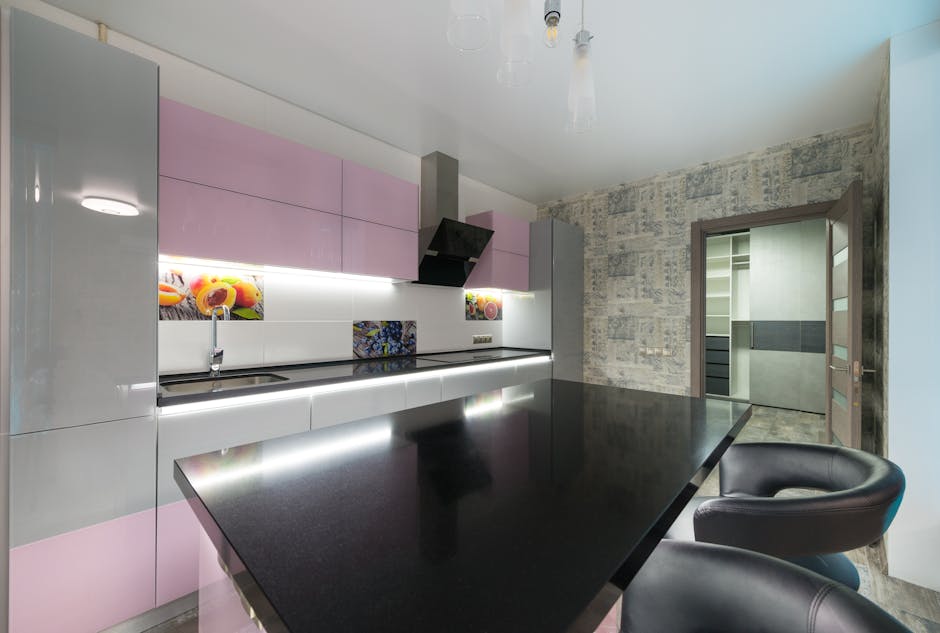
Are you dreaming of a kitchen that not only looks stunning but also functions seamlessly? Picture this: a kitchen island that serves as the heart of your home, where family and friends gather, meals are prepared with ease, and storage is never an issue.
But wait—before you get carried away with design dreams, have you considered how much space you need around that island to make it all happen? The space around your kitchen island is more than just a matter of aesthetics; it’s about creating a flow that makes cooking, entertaining, and everyday living a pleasure.
Too little space can turn your dream kitchen into a cramped nightmare, while too much can make it feel disconnected and cold. This balance is essential for crafting a kitchen that feels just right. You’ll discover the ideal measurements and tips to ensure your kitchen island is not just a centerpiece, but a functional masterpiece. Let’s dive in and unlock the secrets to perfect kitchen island spacing that will transform your kitchen into a space of harmony and joy.
Optimal Distance For Kitchen Island
Having the right space around a kitchen island is very important. At least 36 inches is recommended for walkways. This allows easy movement. 42 inches is better for areas with appliances. This space lets you open doors without hitting anything.
Think about how people move in the kitchen. Enough room helps prevent bumps and spills. It also makes cleaning easier. People in wheelchairs need more space. 48 inches is a good distance for them.
- Allow 24 inches per chair for seating space.
- Provide 30 inches for extra comfort.
- Make sure there’s enough room for knees.
Small kitchens need careful planning. Use compact islands to save space. Aim for 30 inches around these islands. This keeps the kitchen functional and safe.
Factors Influencing Space Needs
Several factors affect the space around a kitchen island. Kitchen size is one of the most important. A small kitchen needs a smaller island. Big kitchens can have bigger islands. Appliance placement matters too. Ensure enough room for opening fridge and oven doors.
Traffic flow is essential. People should walk easily around the island. Seating arrangements also affect space needs. Bar stools require extra room behind them. Lastly, consider workspace needs. Cooks need space to prep and cook comfortably.
Always plan for at least 36 inches of space around the island. This ensures easy movement and safety.
Safety Considerations
Make sure there’s enough space around your kitchen island. This is crucial for safety. People need room to move freely. At least 36 inches of space is recommended. This allows for safe passage. 42 inches is even better for larger kitchens. It helps prevent accidents.
Think about appliance doors. They need space to open fully. Avoid blocking pathways with open doors. Ensure there’s room for cooking and cleaning. Everyone should feel comfortable in the kitchen.
Consider wheelchair access. 48 inches is ideal for wheelchair users. This ensures everyone can use the kitchen safely. Proper spacing makes cooking fun and safe for all.
Design Tips For Small Kitchens
Maximize space with a compact kitchen island. Choose an island with built-in storage. This helps keep items organized. It’s important to maintain clear pathways around the island. Ensure at least 36 inches of space on all sides. This allows easy movement and keeps the kitchen functional.
Consider multi-purpose furniture. An island can serve as a dining table. Opt for foldable chairs to save space. Use light colors for a more open feel. Bright walls and cabinets make the kitchen appear larger.
Mirrors and glass can enhance light. They create an illusion of more space. Avoid clutter on the island’s surface. Keep decorations minimal. This creates a clean, inviting environment.
Maximizing Functionality
Kitchen islands need space to work well. Space allows easy movement. Aim for 36 to 48 inchesof clearance around the island. This space ensures comfort and safety while cooking. It helps people move freely without bumping into each other. Also, it allows drawers and doors to open fully.
Consider the kitchen size. In a small kitchen, a smaller island fits better. A large kitchen can accommodate a bigger island. Always think about the room’s shape and size.
Consider seating. People love to sit at the island. Make sure there’s enough room for stools. Each stool needs about 24 inchesof space. This ensures everyone sits comfortably. Good spacing makes the kitchen more enjoyable for everyone.
Trends In Kitchen Island Design
Kitchen islands are popular in modern homes. They offer extra space for cooking. Many people enjoy having a stylish island. It is important to have enough space around it. Space lets people move freely. It also helps with safety. The trend is to have open layouts. These layouts feel spacious and airy. Islands are often used for dining too. People can sit and eat comfortably. Some islands have built-in features. These include sinks or cooktops. Islands can be made from different materials. Wood and stone are popular choices. Designers focus on making islands functional. They also want them to look beautiful.
Frequently Asked Questions
How Much Clearance Is Needed Around A Kitchen Island?
A minimum of 36 inches of clearance is recommended around a kitchen island. This space ensures comfortable movement and efficient workflow. However, increasing it to 42-48 inches is ideal for multiple cooks or high-traffic areas.
Can A Small Kitchen Fit An Island?
Yes, a small kitchen can fit an island with careful planning. Ensure there is at least 36 inches of clearance. Choose a compact or mobile island to maximize space. This setup can enhance functionality without overcrowding.
What Is The Ideal Kitchen Island Size?
The ideal kitchen island size varies based on the kitchen layout. Typically, a width of 4 feet and a length of 7 feet works well. This size allows for ample workspace and seating while maintaining clearance.
Do Kitchen Islands Increase Home Value?
Yes, kitchen islands can increase home value. They add functionality, storage, and a modern touch to the kitchen. Buyers often see them as a desirable feature, enhancing the kitchen’s appeal and usability.
Conclusion
Choosing the right space for your kitchen island is vital. It impacts movement and functionality. Keep a minimum of 36 inches of clearance. This ensures easy navigation for everyone. Islands with seating need more space. Allow at least 42 inches for comfort.
Proper spacing also affects appliance access. Avoid clutter by planning ahead. Measure your kitchen before installation. Check for potential obstacles. Space creates a welcoming atmosphere. Your kitchen island should enhance your room, not hinder it. Remember, a well-placed island adds value.
Prioritize space to boost comfort and efficiency. A thoughtful layout makes all the difference.