
Are you thinking about giving your kitchen a fresh new look? Whether you’re dreaming of modern cabinets, sleek countertops, or updated appliances, redoing your kitchen can be an exciting project.
But before you dive in, it’s crucial to understand the costs involved. You might be wondering, “How much will it really cost to redo my kitchen? ” The answer isn’t as straightforward as you might think. Different factors, like the size of your space, the materials you choose, and the scope of your renovation, can all impact the final bill.
We’ll break down the expenses so you can plan your budget smartly and avoid any surprises. Keep reading to discover how you can transform your kitchen without breaking the bank.
Factors Influencing Kitchen Remodel Costs
Kitchen remodel costs depend on size, materials, and design choices. High-end appliances and custom cabinetry increase expenses. Labor costs also play a significant role.
Size And Layout
The size of your kitchen matters. Bigger kitchens need more materials. Layout changes can add to costs. Moving walls is expensive. Simple layouts cost less.
Materials And Finishes
Materials affect the price. Wood cabinets cost more than metal ones. Fancy countertops can be pricey. Basic finishes save money. Choose wisely to fit your budget.
Appliances And Fixtures
New appliances can be costly. Fridges and stoves vary in price. Fancy fixtures add to the bill. Think about what you really need. Sometimes simple is better.
Labor And Professional Fees
Hiring professionals costs money. Skilled workers charge higher fees. DIY can save cash but be careful. Mistakes can be costly. Weigh the pros and cons.

Credit: pbphomerepair.com
Budgeting For A Kitchen Remodel
A good budget is very important. Start by knowing how much you can spend. List all the things you want in your new kitchen. This helps in planning. Look at prices for cabinets, counters, and appliances. It makes budgeting easier. Talk to experts for advice on costs.
Focus on the main parts of the kitchen. These are cabinets, counters, and appliances. Set aside money for each part. Cabinets can be costly. Counters need a strong budget too. Appliances vary in cost. Plan carefully for each item.
Things can cost more than planned. Set aside some extra money just in case. This helps if something breaks or changes. Keep some savings for surprises. This keeps your project on track. Always be ready for unexpected costs.
Cost Breakdown By Kitchen Elements
Understanding the cost of kitchen elements is vital in planning a renovation. Cabinets, countertops, and appliances are major expenses. Flooring and lighting also contribute significantly to the overall budget.
Cabinetry And Countertops
Cabinets and countertops are key parts of a kitchen. Cabinets can be expensive. They might cost between $3,000 and $10,000. The material you choose matters. Wood is often pricier. Countertops also vary in price. Granite or quartz can cost $2,000 to $4,000. Laminate is cheaper but less durable. Always check your budget first.
Flooring And Backsplash
Flooring can change the kitchen look. Tiles can cost $1,500 to $3,000. Wood is more costly but looks nice. A backsplash adds style. It can cost from $800 to $1,200. Small tiles are often cheaper. Choose a style that fits your taste.
Lighting And Electrical
Lighting is important for a bright kitchen. New lights might cost $500 to $1,500. Electrical work can be pricey too. It might add $1,000 to the bill. Make sure to hire a good electrician. Safety is very important.
Plumbing And Ventilation
Plumbing is needed for water in the kitchen. Costs might be $800 to $2,000. It depends on the work needed. Ventilation helps keep the air clean. A new vent can cost $400 to $1,000. Always pick the best option for your needs.
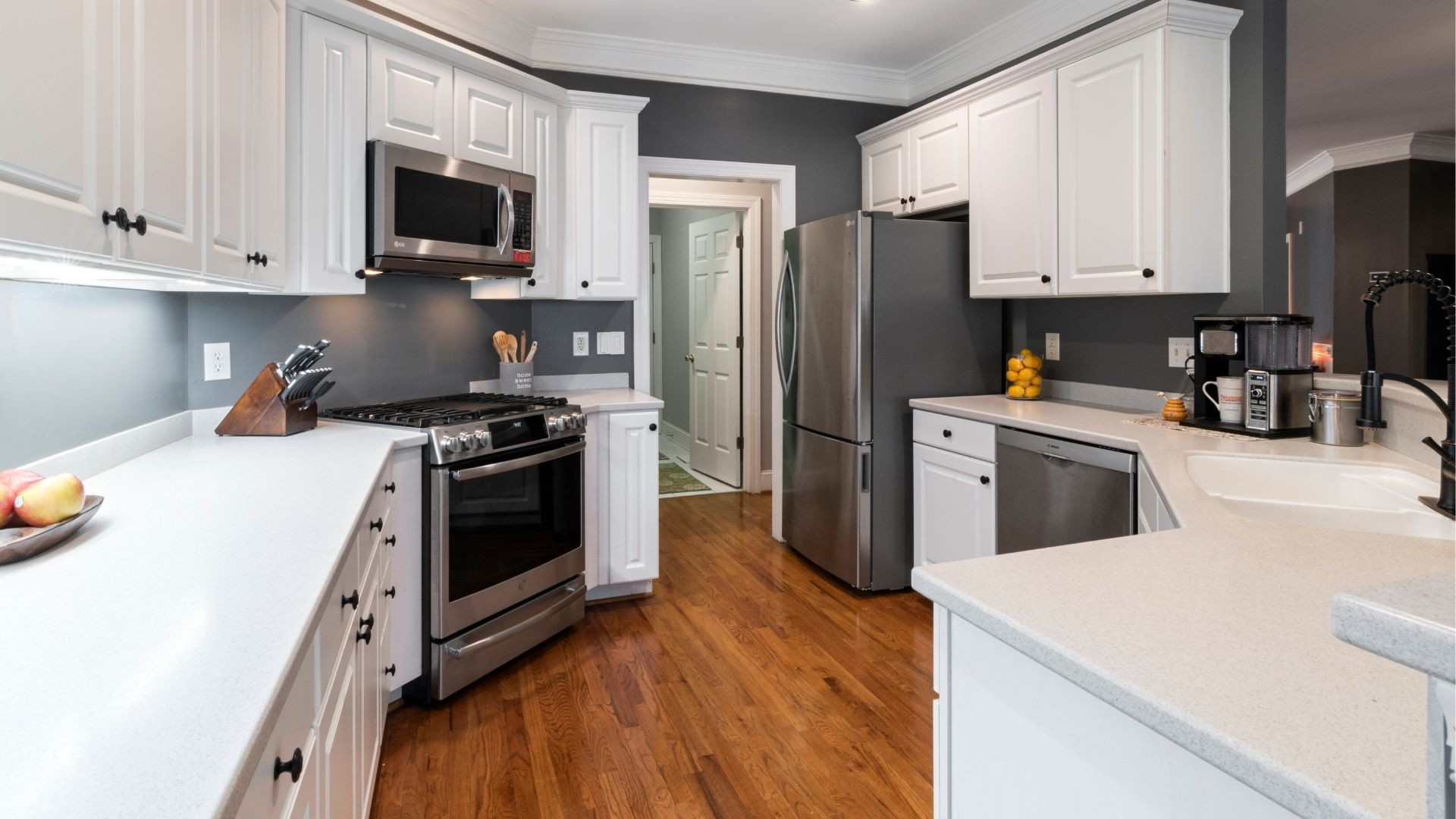
Credit: megakitchenandbath.com
Cost-saving Tips
DIY projectscan save money, but they require time and skill. Mistakes might cost more later. Hiring professionalsensures quality work. It can be more expensive but saves time. Decide based on your budget and ability.
Opt for affordable materialslike laminate or vinyl. They look good and last long. Compare prices at different stores. Sometimes, buying in bulk saves money. Choose durable options to avoid frequent replacements.
Plan your kitchen redo during off-peak seasons. Contractors may offer discounts during slow times. Schedule work smartly to avoid delays. Delays can increase costs. Keep a clear timeline for each task.
Financing Options For Kitchen Renovation
Discover the cost of redoing your kitchen by exploring various financing options. Budget wisely for cabinets, countertops, and appliances. Compare loans, credit cards, and savings plans to find the best fit for your project.
Home Equity Loans
Home equity loans use your home as collateral. They offer lower interest rates. These loans are good for large renovations. Repayment terms are usually long. Monthly payments are often fixed. Borrowers must have sufficient equity in their home. The approval process might take time.
Personal Loans
Personal loans don’t need collateral. They have higher interest rates than home equity loans. These loans are easier and quicker to get. The loan amount is often smaller. Repayment terms vary, but they are usually shorter. They are good for moderate kitchen updates.
Credit Card Financing
Credit card financing is simple but can be costly. Interest rates are often high. This option is best for small upgrades. It is easy to manage but risky. Pay off the balance quickly to avoid high interest. Some cards offer introductory zero interest rates. Always read terms carefully.

Credit: kriskonstruction.com
Estimating Return On Investment
Estimating the return on investment for a kitchen redo involves calculating costs against potential home value increase. Kitchen renovations typically cost between $10,000 and $50,000. Consider material choices and scope of work for precise budgeting.
Impact On Home Value
Updating a kitchen can boost home value. Fresh designs attract buyers. A modern look often leads to higher offers. Stylish kitchens make homes more desirable. Buyers love new appliances and countertops. These updates can add thousands to the home’s worth.
Comparing Costs And Benefits
Kitchen remodels can be pricey. Yet, they offer good benefits. Quality upgrades improve daily life. They enhance home appeal. Costs vary by materials and design. Some spend less, others more. But, the joy of a new kitchen is priceless.
Long-term Savings
Modern kitchens save money over time. Energy-efficient appliances cut bills. Durable surfaces last longer. Less need for repairs reduces costs. Smart design uses space wisely. Every penny spent can lead to savings later.
Regional Cost Variations
Kitchen redo costs can vary by location. Urban areas usually have higher prices. This is because of greater demand and cost of living. Rural areas often have lower costs. Fewer people mean less demand, which can lower prices.
Material costs can differ greatly. Cities often have higher material costs. They may offer more choices, but at a price. In contrast, rural areas might have cheaper materials. Options can be limited, though.
Labor rates play a key role in costs. Urban labor rates tend to be higher. Workers need more pay to meet living expenses. In rural regions, labor may be less expensive. Fewer jobs mean workers accept lower pay.
Frequently Asked Questions
How Much Does A Kitchen Remodel Cost?
The cost of a kitchen remodel can vary widely. On average, it ranges from $12,000 to $35,000. This depends on factors like the size of the kitchen, materials used, and location. High-end renovations can exceed $50,000. It’s essential to set a budget and plan accordingly.
What Factors Influence Kitchen Remodel Costs?
Several factors influence the cost of a kitchen remodel. These include the kitchen’s size, the quality of materials chosen, and labor costs. Additional factors are location, layout changes, and specific design elements. Custom cabinetry and high-end appliances can also increase costs significantly.
Is A Kitchen Remodel Worth The Investment?
A kitchen remodel is often worth the investment. It can increase your home’s resale value by up to 60-80%. Additionally, it enhances functionality and aesthetic appeal. Homeowners often find improved satisfaction with an updated kitchen. It’s crucial to balance costs with potential returns when remodeling.
How Long Does A Kitchen Remodel Take?
The timeline for a kitchen remodel varies. Typically, it takes between three to five months to complete. This includes planning, design, and construction. Smaller projects might finish sooner, while extensive renovations could take longer. Hiring experienced professionals can help ensure the project stays on schedule.
Conclusion
Redoing a kitchen involves careful budgeting. Costs can vary widely. Factors include size, materials, and appliances. Set a clear plan to avoid surprises. Consider both current needs and future resale value. Research different options and prices. Consulting with professionals can help guide decisions.
A well-executed kitchen remodel enhances both beauty and function. It adds value to your home. Stay within budget by prioritizing essential changes. Small updates can also make a big impact. Remember, a refreshed kitchen improves daily life and home enjoyment.
Choose wisely, plan carefully, and enjoy your new space!