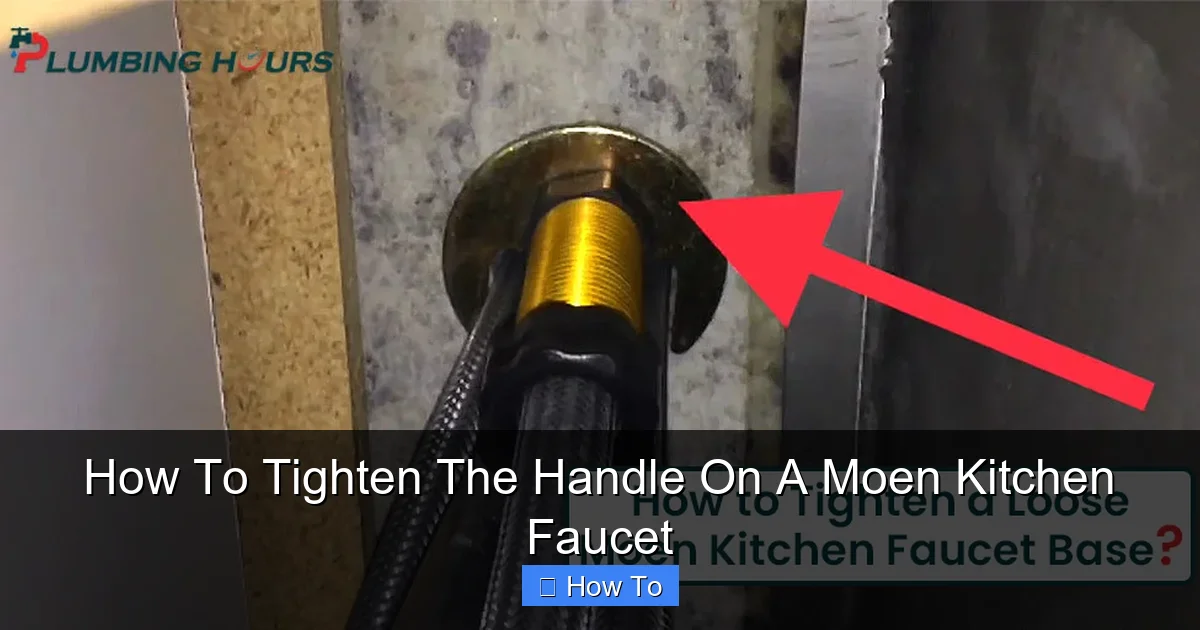
Are you planning a kitchen upgrade or simply need to replace a worn-out Moen faucet? Disconnecting a Moen kitchen faucet might seem like a daunting task, especially if you’re not a seasoned DIY enthusiast.
However, with the right guidance, you can tackle this task with confidence and ease. Imagine the satisfaction of handling this project yourself, saving time and money in the process. In this guide, we’ll break down the steps in straightforward terms, so you can feel empowered to disconnect your Moen kitchen faucet without any hassle.
Let’s dive into the process and make your kitchen project a breeze!
Gather Necessary Tools
Have all tools ready before starting. It’s important to be prepared. Get a wrench for loosening the faucet. You’ll need pliers for gripping parts tightly. A screwdriver is crucial for unscrewing pieces. Don’t forget a bucket to catch water spills. Towels are handy for drying surfaces. A flashlight helps in seeing dark spots.
Make sure to check instructions first. They guide you through the process. Ensure tools are the right size. Wrong tools can damage the faucet. Keep all tools within reach. This saves time and effort. Organize tools neatly on a table.
Be patient and work carefully. Rushing can cause mistakes. Double-check each step to avoid problems. Proper preparation makes the task easier.
Turn Off Water Supply
Locate the water valvesunder your sink. Twist the valves clockwise to stop the water. Make sure the faucet is not running. Check if the water is completely off.
Place a bucketunder the pipes to catch any leaks. This helps keep your kitchen dry. Use a wrench to loosen the nuts connecting the faucet. The nuts might be tight, so use some force.
Once loosened, remove the faucetfrom its position. Handle it carefully to avoid damage. Ensure all parts are kept safely. This prevents losing any small pieces.
Remove Faucet Handle
Turn off the water supply under the sink. Look for a small screw on the faucet handle. It might be hidden under a cap. Use a screwdriver to remove this screw. Keep the screw in a safe place. Gently pull the handle off the faucet. If it’s stuck, wiggle it a bit. Do not force it too hard.
Check for any debris or dirt inside the handle. Clean it with a damp cloth. Make sure the handle is completely clean. This helps in smooth removal and reattachment. Once clean, set the handle aside. You are now ready to move to the next step.
Detach Water Lines
Start by turning off the water supply. This stops water flow. Find the valves under the sink. Twist them to the right to close. Check if there’s any remaining water. Open the faucet to release extra water.
Locate the water lines. These connect the faucet to water valves. Use a wrench to loosen the nuts. Hold the pipe firmly while unscrewing. Be careful not to break the pipes. Once loose, pull the water lines off. Keep a bucket handy to catch any drips.
Inspect the lines for dirt or damage. Clean them if needed. Store them safely for later use. Make sure no water is leaking. This ensures a smooth disconnection.
Unscrew Mounting Nuts
First, locate the mounting nutsunder the sink. These nuts hold the faucet in place. Use a wrenchto turn the nuts. Turn them counterclockwiseto loosen. Be careful not to damage the pipes. If the nuts are hard to turn, spray some lubricanton them. This can help loosen the rust or dirt. Once the nuts are loose, remove them by hand.
Place all parts in a safe spot. You might need them later. Always keep your work area tidy. It helps in finding things easily. Remember, safety first. Wear gloves to protect your hands. Also, have a towel handy to clean any spills. These steps will help in safely disconnecting your faucet.
Lift Faucet From Sink
First, turn off the water supply. Find the valves under the sink. Twist the valves clockwise to stop the flow. Then, place a towel in the sink. This will protect the surface.
Next, locate the nuts that secure the faucet. Use a wrench to loosen them. Be careful not to scratch the sink. Once loose, lift the faucet slowly. Ensure all connections are free.
Check for any leftover water. Keep a small bowl handy to catch drips. Ensure the faucet is fully detached. Double-check all hoses and connections.
Frequently Asked Questions
How Do I Disconnect A Moen Kitchen Faucet?
To disconnect a Moen kitchen faucet, first, turn off the water supply. Next, unscrew the mounting nuts under the sink. Carefully remove the faucet from its position. Ensure you have towels handy to clean any residual water. Refer to Moen’s manual for specific model instructions.
What Tools Are Needed To Disconnect The Faucet?
You will need an adjustable wrench, a screwdriver, and pliers. These tools will help unscrew the nuts and bolts securing the faucet. Always use the correct size wrench to avoid damaging components. A bucket may be useful to catch any water remaining in the lines.
Can I Disconnect The Faucet Myself?
Yes, you can disconnect the faucet yourself with basic tools. Ensure you understand the setup before starting. Follow the steps carefully to avoid leaks. If unsure, consult the Moen manual or hire a plumber for assistance. Safety first: turn off the water supply.
How Long Does It Take To Disconnect?
Disconnecting a Moen kitchen faucet typically takes about 30 minutes. The process involves turning off the water supply and unscrewing nuts. Check for any obstructions under the sink. If you’re experienced, it may be quicker. Allow extra time for troubleshooting any issues.
Conclusion
Disconnecting a Moen kitchen faucet is straightforward. Follow the steps carefully. Start by turning off the water supply. Remove the faucet handle gently. Loosen the nuts using the right tools. Detach the hose connections safely. Inspect the components for wear.
Keep the parts organized. Reconnect everything if needed. Ensure no leaks after reassembly. Regular maintenance extends faucet life. Consult a plumber for complex issues. Understanding these steps saves time and effort. A well-maintained faucet enhances kitchen efficiency. Enjoy a seamless kitchen experience with proper care.