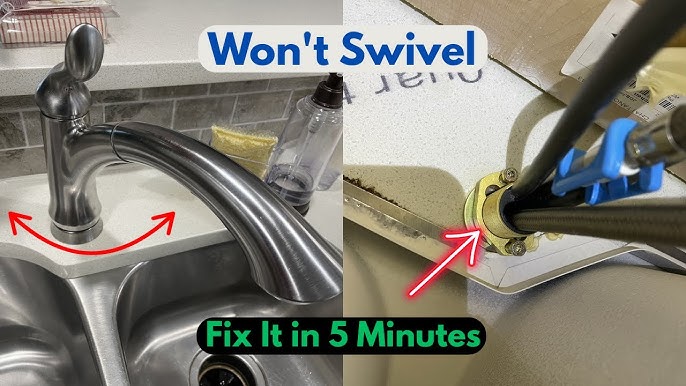
Is your Moen kitchen faucet feeling loose or wobbly? A shaky faucet can be annoying and may lead to leaks or water damage if not fixed.
But don’t worry—you don’t need to call a plumber right away. You can tighten your Moen kitchen faucet yourself quickly and easily. In this guide, you’ll learn simple steps that anyone can follow to get your faucet stable and secure again.
Keep reading, and by the end, you’ll have a solid, steady faucet that works just like new.
Identify Loose Parts
Check all faucet parts for looseness by gently shaking or pressing each one. Loose components can cause leaks or wobbling. Tighten any loose screws or nuts to secure the faucet properly.
Check Faucet Handle
Feel the faucet handle. Is it wobbly or loose? Hold it steady. Twist gently to see if it moves. A loose handle often needs tightening. Use a screwdriver if needed. Look for screws under the handle cap. Tighten them carefully to secure the handle.
Inspect Mounting Hardware
Look under the sink for mounting hardware. These parts keep the faucet in place. Are they loose or shaky? Use a wrench to tighten them. Make sure the bolts are snug. Tight mounting prevents leaks and movement. Check if washers are worn. Replace them if necessary.
Examine Spout Base
Touch the spout basewhere it meets the sink. Is it moving or loose? Tighten the base with a wrench. Ensure it fits securely. Loose bases can cause leaks. Check for rubber seals. Replace if they are damaged or missing. A tight spout prevents water from escaping.
Gather Necessary Tools
Gather these common toolsto tighten your Moen kitchen faucet efficiently:
- Adjustable wrench for loosening and tightening nuts
- Screwdriver (Phillips and flathead) for screws
- Allen wrench for hex screws
- Plumber’s tape to prevent leaks
- Soft cloth to protect the faucet finish
Ensure the water supply is off before starting. Wear gloves if needed. Avoid using too much force to prevent damage. Work in a well-lit area to see all parts clearly.
Turn Off Water Supply
First, find the shutoff valvesunder the sink. These control the water flow to the faucet. Turn each valve clockwise to closethem. This stops water from coming out.
Next, open the faucet to drain any leftover waterin the pipes. This reduces spills and makes the tightening process easier.

Credit: www.tiktok.com
Tighten Faucet Handle
Start by gently prying off the handle capusing a flat tool. This will reveal the screw beneath.
Locate the handle screwunder the cap. Use a screwdriver to turn it clockwise.
Make sure the screw is snug but avoid overtightening, which can cause damage.
After tightening, place the handle capback securely over the screw.
Secure Mounting Nuts
Secure mounting nuts hold the Moen kitchen faucet firmly in place. Tighten these nuts carefully to avoid leaks or movement. Use a wrench to ensure a snug fit without over-tightening.
Access Under Sink
Locate the mounting nuts under the sink. Clear the area so you can reach them easily. Use a flashlight if the space is dark. Check for any debris or water that might block your access. Be careful while working in tight spaces.
Tighten Nuts With Wrench
Use an adjustable wrench to tighten the nuts. Turn the wrench slowly to avoid damaging the nuts. Tighten until the faucet feels stable and does not move. Avoid over-tightening; this can cause damage. Check the faucet from above to see if it is secure.
Credit: www.homedepot.com
Adjust Spout Base
Start by gently pulling the spoutupwards to remove itfrom the base. Be careful not to use too much force to avoid damage.
Locate the set screwunder the spout base. Use a hex keyor screwdriver to tightenthe screw securely. This will help stabilize the spout and reduce wobbling.
Once the screw is tightened, carefully reinstall the spoutby aligning it with the base. Push it down firmly until it clicks or feels secure.
Test Faucet Stability
Turn on the water to check the faucet’s stability. Watch for any shakingor movementwhile water flows. A stable faucet should not wiggle or feel loose.
Next, gently push or pull the faucet base. This helps to detect any hidden looseness. If you see movement, it means tightening is needed.
Fix remaining issues by tightening the mounting nuts under the sink. Use a wrench to secure them firmly but avoid over-tightening. Check again for any movement after adjusting.

Credit: www.amazon.com
Prevent Future Looseness
Regular maintenance helps keep your Moen kitchen faucet tight and working well. Check all screws and connections often. Tighten any parts that feel loose. Use a soft cloth to clean the faucet to avoid damage.
Applying thread sealant on the faucet’s threads prevents leaks and loosening. It creates a strong seal that holds parts firmly in place. Make sure to use sealant made for plumbing.
- Clean faucet parts before applying sealant.
- Apply a thin, even layer on the threads.
- Reassemble and tighten parts securely.
- Wipe off any extra sealant to avoid mess.
These simple steps help prevent future faucet problems and keep your kitchen running smoothly.
Frequently Asked Questions
How Do I Tighten A Loose Moen Kitchen Faucet?
To tighten a loose Moen faucet, first turn off the water supply. Then, use an Allen wrench to tighten the set screw under the handle. Finally, check all connections and mounting nuts under the sink for firmness.
What Tools Are Needed To Tighten Moen Faucet?
You will need an Allen wrench, adjustable wrench, and possibly a screwdriver. These tools help tighten the set screw, mounting nuts, and any loose connections on the faucet.
Can I Tighten The Faucet Without Removing It?
Yes, most Moen faucets can be tightened without removal. Access the set screw under the handle and the mounting nuts beneath the sink to secure loose parts.
Why Is My Moen Kitchen Faucet Loose?
A loose Moen faucet usually results from worn or loose mounting nuts or set screws. Regular use can cause these parts to loosen, requiring periodic tightening.
Conclusion
Tightening your Moen kitchen faucet can save you time and money. Small leaks often cause bigger problems later. Use the right tools and follow clear steps. Stay patient and work carefully to avoid damage. Regular checks help keep your faucet working well.
A tight faucet means less water waste and fewer repairs. You can do this yourself with simple instructions. Keep your kitchen running smoothly and enjoy peace of mind.