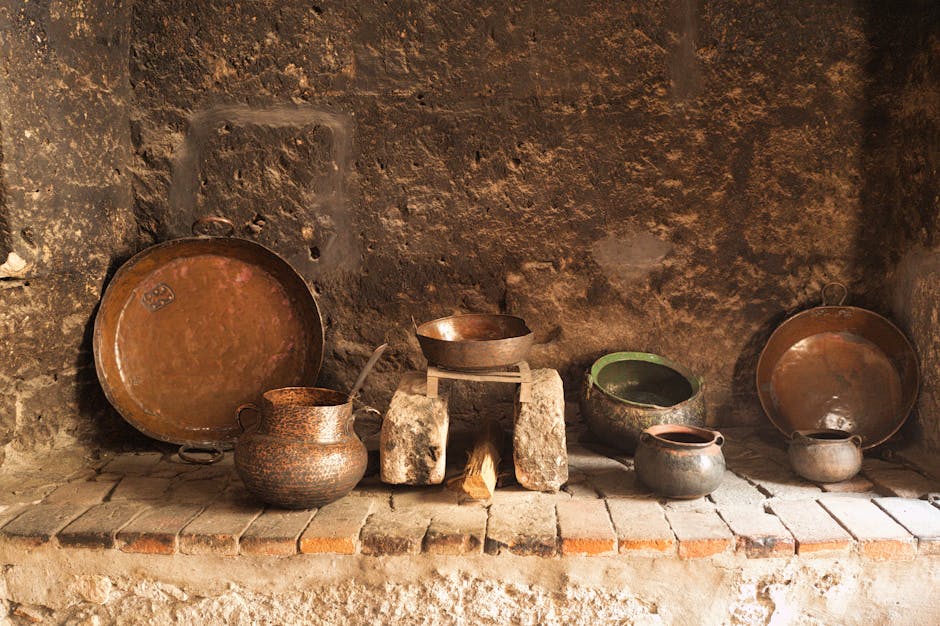
Rusty kitchen utensils can be a real eyesore in your otherwise sparkling kitchen. They not only look unattractive but can also affect the taste and safety of your food.
But before you toss them out and spend money on replacements, know that you can easily restore them to their former glory. Imagine the satisfaction of seeing your favorite knife or spatula gleaming again, ready for action. You’ll discover simple and effective methods to remove rust from your kitchen utensils using items you likely already have at home.
By the end, you’ll not only save money but also gain the confidence to tackle rust whenever it appears. Curious to find out how you can make your utensils shine like new again? Keep reading, and transform your kitchen tools with ease.
Causes Of Rust On Utensils
Rust forms on kitchen utensils due to moisture exposure. Water and air create a reaction. This reaction leads to rust. Metal utensils are prone to rust. Stainless steel resists rust better. Iron and steel rust more easily. Salt can speed up rust formation. Acidic foods also cause rust. Lemon and vinegar can be problematic. Cleaning utensils poorly can cause rust. Dry utensils well after washing. Store in a dry place to prevent rust. Avoid leaving them wet for long.
Essential Tools And Materials
Removing rust from kitchen utensils is easy. You need some basic tools. Gather a scrub brush or steel wool. These help scrape off rust. White vinegar is useful too. It dissolves rust. Baking soda can be mixed with water. This forms a paste. It helps with tough spots. Lemon juice is another option. Its acid breaks down rust. Salt can be used with lemon juice. It enhances cleaning power.
Make sure you have gloves. Protect your hands while cleaning. A bowl or bucket is needed. You soak the utensils in it. Paper towels or old rags are handy. They dry the utensils after cleaning. All these tools are easy to find. Most are at home already. Together, they make rust removal simple.
Natural Cleaning Methods
Mix equal parts of vinegarand baking soda. Apply the paste to rusty spots on utensils. Let it sit for 15 minutes. Scrub with a brush or sponge. Rinse thoroughly with warm water. Dry with a clean towel to avoid more rust.
Cut a lemon in half. Sprinkle salt generously on the rusty utensil. Use the lemon half to rub the salt into the rust. The salt acts as an abrasive. Let it rest for 30 minutes. Rinse with water and dry completely.
Cut a potato in half. Dip the cut side in dish soap. Rub the potato on the rusty areas. The oxalic acid in potatoes helps remove rust. Rinse the utensil well and dry it.
Using Commercial Rust Removers
Commercial rust removers are powerful and effective. They can save your utensils from rust quickly. Choose a remover that is safe for kitchen use. Read the instructions on the package carefully. Wear gloves to protect your hands from chemicals. Apply the remover directly on the rusty areas. Wait for the time specified on the package. Scrub gently with a soft brush or cloth. Rinse thoroughly with warm water. Make sure no remover is left on the utensil. Dry completely to prevent future rust.
Some removers might have strong smells. Ensure proper ventilation while using them. Always keep rust removers away from food. Store them safely out of children’s reach. Regular checks on utensils can prevent rust build-up. Keep utensils dry after washing them. This helps to stop rust from forming.
Preventing Future Rust
Keep kitchen utensils dry to avoid rust. Water causes rust quickly. After washing, dry utensils immediately. Use a clean towel for drying. Store utensils in a dry place. Moisture promotes rust, so avoid it.
Consider applying a thin coat of oil. This can be olive or vegetable oil. Oil acts as a barrier against moisture. Reapply oil every few weeks. For best results, use a soft cloth when applying.
Avoid using metal scrubbers when cleaning. They can scratch utensils and cause rust. Opt for soft sponges or cloths instead. Regularly inspect utensils for any rust spots. Early detection helps prevent spread.
Maintaining Rust-free Utensils
Vinegar is a great rust remover. Soak the utensil in vinegar. Wait a few hours. Scrub gently with a brush. Rinse with water. Dry with a clean towel.
Mix baking soda with water. Make a thick paste. Apply paste to rust spots. Leave for 30 minutes. Scrub with a brush. Rinse and dry the utensil.
Squeeze lemon juice on the rust. Sprinkle salt on top. Let it sit for a few hours. Scrub with a brush. Rinse well and dry.
- Always dry utensils after washing.
- Store in a dry place.
- Check for rust often.
- Clean rust spots immediately.
Frequently Asked Questions
What Causes Rust On Kitchen Utensils?
Rust forms when iron reacts with moisture and oxygen. Kitchen utensils, especially those made of steel, can rust due to exposure to water and air. Regular cleaning and drying can help prevent rust formation.
Can Vinegar Remove Rust From Utensils?
Yes, vinegar can effectively remove rust. Soak the rusty utensil in white vinegar for a few hours. The acidity dissolves the rust. After soaking, scrub the utensil gently with a brush to remove any residue.
Are There Natural Rust Removal Methods?
Yes, natural methods like using vinegar, lemon, or baking soda can remove rust. These items are acidic and react with rust, helping dissolve it. They are eco-friendly options for rust removal without harsh chemicals.
How Do I Prevent Rust In The Future?
To prevent rust, dry utensils immediately after washing. Store them in a dry place. Regularly oil metal utensils to create a protective barrier. This helps prevent moisture and oxygen from causing rust.
Conclusion
Removing rust from kitchen utensils is simple with the right steps. Use vinegar and baking soda to clean metal surfaces. Scrub gently to avoid scratches. Dry utensils thoroughly to prevent future rust. Store them in a dry place for best results.
Regular cleaning keeps utensils shiny and safe. Try these tips today for a spotless kitchen. Enjoy cooking without worrying about rust. Keep your kitchen tidy and utensils rust-free. Start caring for your utensils now, and maintain their quality for years.
Embrace these easy methods and enjoy a clean kitchen.