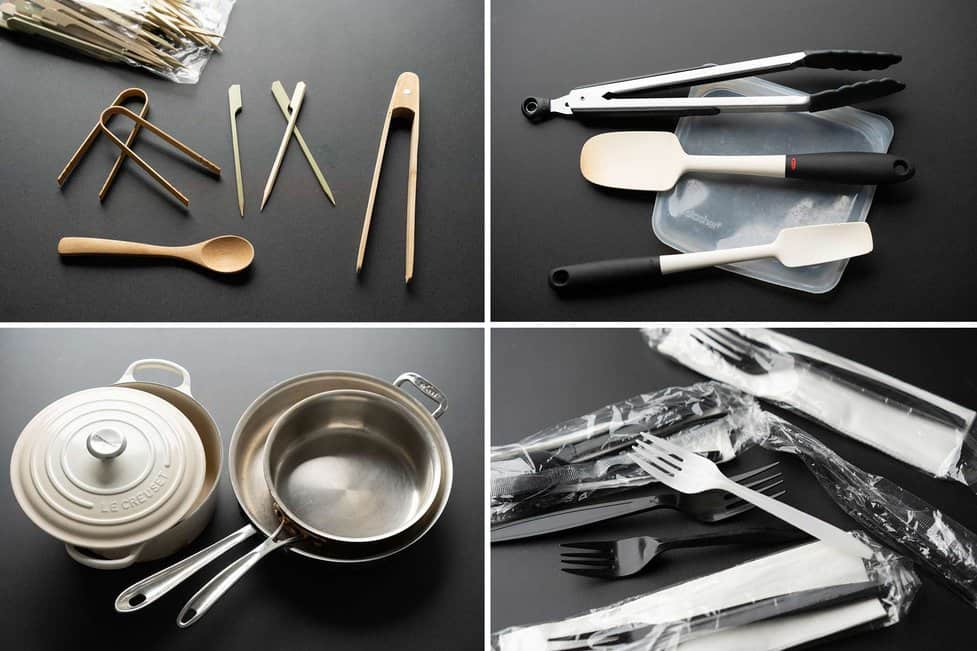
Are you confident that the kitchen utensils you use every day are truly safe? The tools you rely on to prepare your meals can impact not just your cooking but your health too.
Choosing the right utensils isn’t just about convenience—it’s about protecting yourself and your loved ones from harmful chemicals and materials. You’ll discover which kitchen utensils are safe to use and which ones you should avoid. Keep reading to make smarter, healthier choices in your kitchen today.
Common Kitchen Utensil Materials
Stainless steelis strong, durable, and easy to clean. It does not rust or stain. It is safe for cooking and does not react with food. This material works well for spoons, knives, and pots.
Siliconeis flexible and heat resistant. It does not melt easily and is safe for non-stick pans. Silicone utensils do not scratch cookware and are gentle on surfaces.
Woodis natural and safe to use. It does not scratch pans and feels good in your hand. Wooden utensils must be dried well to avoid mold and cracks.
Plasticis light and cheap but may melt on high heat. Use only heat-safe plastic utensils. They come in many colors and are easy to clean.
Health-safe Utensil Choices
BPA-free plasticsare safer for cooking and storing food. They do not release harmful chemicals when heated. Choose utensils labeled as BPA-free. These plastics reduce health risks and are easy to clean. Avoid plastics that are not marked safe for food use.
Food-grade siliconeis flexible and heat-resistant. It does not break down or release toxins in heat. Silicone utensils last long and do not scratch cookware. They are good for baking, stirring, and mixing.
Natural wood utensilsare gentle on pots and pans. They do not react with acidic foods. Wood is biodegradable and eco-friendly. Proper care keeps wood clean and free from bacteria. Avoid cracked or rough wood to prevent germs.
Avoiding Harmful Materials
Choosing kitchen utensils made from stainless steel, silicone, or wood helps avoid harmful chemicals. These materials are safe, durable, and do not react with food. Avoid plastic or non-stick tools that can release toxins when heated.
Non-food Grade Plastics
Non-food grade plastics can release harmful chemicals into food. Always choose utensils labeled as food-safe. Plastics not meant for food use may contain toxic substancesthat affect health. Avoid reusing containers not made for cooking or eating.
Teflon And Non-stick Coatings
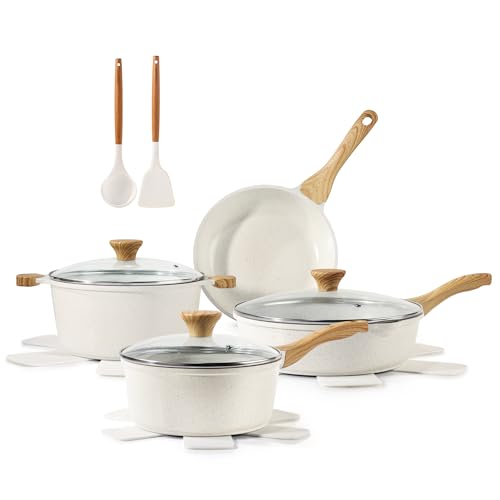
Teflon and some non-stick coatings can break down at high heat. This may release dangerous fumes. Use non-stick pans carefully and avoid overheating. Consider silicone or stainless steelutensils as safer options.
Metal Utensils With Lead Or Cadmium
Metal utensils with lead or cadmium are toxic. These heavy metals can cause serious health problems. Always buy utensils from trusted brands. Look for those certified free from harmful metals.

Credit: www.amazon.com
Safe Usage Tips
Ensure safety by using kitchen utensils made of non-toxic materials like stainless steel or silicone. Avoid those with chipped surfaces or loose handles to prevent accidents. Regularly inspect and clean them to maintain hygiene and functionality.
Proper Cleaning Methods
Clean utensilsthoroughly after each use to avoid bacteria. Use warm water and mild soap. Scrub gently to protect the surface. Avoid harsh chemicals that can damage the material. Dry utensils completely before storing to stop rust or mold.
Heat Resistance Considerations
Choose utensils made from heat-resistant materialslike silicone or stainless steel. Avoid plastic tools near hot pans; they can melt. Wooden utensils are safe but should not stay in hot pots too long. Always check the manufacturer’s heat limits.
Replacing Worn Utensils
- Throw away utensils with cracks, chips, or warping.
- Replace tools with loose handles for safety.
- Old wooden spoons can harbor germs; swap them regularly.
- Keep sharp knives sharp and replace if damaged.
Eco-friendly And Safe Options
Bamboo utensilsare natural and gentle on cookware. They do not scratch pots or pans. Bamboo grows fast and is easy to replace, making it a renewable resource. These utensils are lightweight and strong. They do not hold odors or stains, so they stay clean and fresh.
Utensils made from recycled materialshelp reduce waste. Using recycled plastic or metal means fewer new resources are needed. This lowers pollution and saves energy. Such utensils are often durable and safe for daily use.
Sustainable manufacturingmeans making products with less harm to nature. Factories may use less water and energy. They avoid harmful chemicals and waste. This helps protect the environment while making safe kitchen tools.

Credit: www.amazon.com
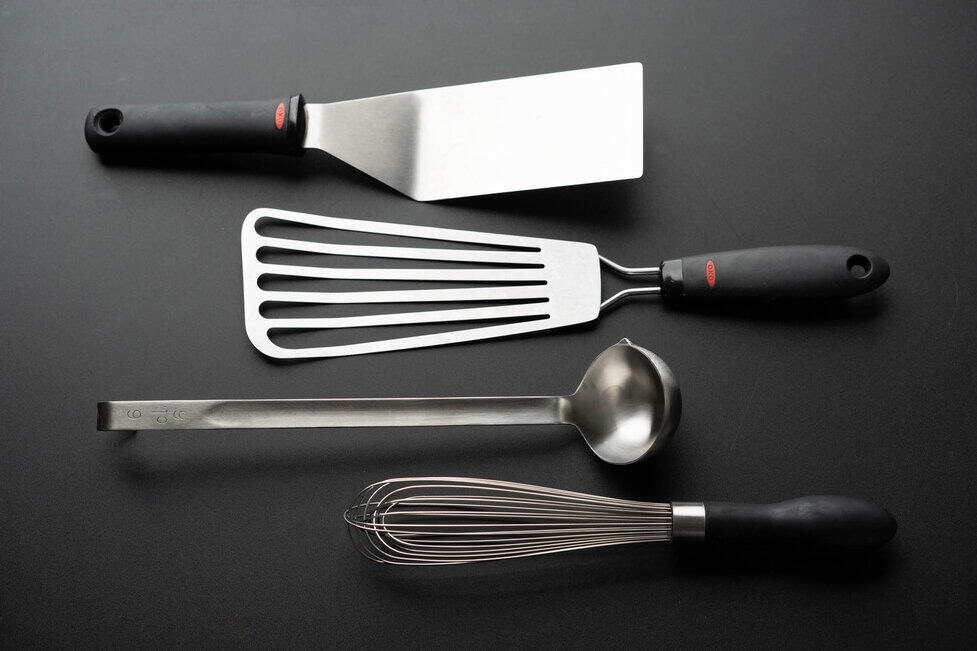
Credit: www.hungryhuy.com
Frequently Asked Questions
What Kitchen Utensils Are Safest For Non-stick Cookware?
Silicone, nylon, and wooden utensils are safest for non-stick cookware. They prevent scratches and maintain the coating’s integrity. Avoid metal tools as they damage surfaces and reduce non-stick lifespan.
Are Stainless Steel Utensils Safe For Cooking?
Yes, stainless steel utensils are safe and durable. They resist rust and don’t leach harmful chemicals. They work well for high-heat cooking and are easy to clean.
Which Kitchen Utensils Are Best For Food Safety?
Use BPA-free silicone, wooden, or stainless steel utensils. These materials don’t react with food or release toxins. Always choose utensils that are easy to clean and maintain hygiene.
Can Plastic Kitchen Utensils Be Harmful?
Some plastic utensils may release chemicals when heated. Choose BPA-free and heat-resistant plastics for safety. Avoid using old or damaged plastic tools to prevent contamination.
Conclusion
Choosing safe kitchen utensils protects your health and food quality. Use materials like stainless steel, silicone, and wood for safety. Avoid utensils that can melt or release harmful chemicals. Clean your tools regularly to keep them safe and lasting longer.
Safe utensils make cooking easier and more enjoyable. Keep these tips in mind for a healthy kitchen every day. Your family will appreciate the care you take with safe cooking tools.