Imagine walking into your kitchen every morning with a sense of pride and accomplishment. The cabinets you see are not just storage spaces but a reflection of your personal style and craftsmanship.
Building kitchen cabinets might seem daunting at first, but with the right guidance, even a beginner can achieve stunning results. Whether you’re looking to save money or customize your kitchen to match your unique taste, learning how to build cabinets is a rewarding endeavor.
You don’t need to be a master carpenter to create functional and beautiful kitchen cabinets; you just need the right tools and a little patience. Stick around to discover the step-by-step process that will transform your kitchen and boost your confidence in DIY projects. Ready to start crafting the kitchen of your dreams? Let’s dive in!
Planning Your Kitchen Cabinets
Think about what items you use often. Identify storage needs for utensils, pots, and dishes. Consider tall cabinets for large items like cookie sheets. Decide if you need drawers for cutlery or small gadgets. Make sure you have enough space for everything.
Explore different cabinet styles like modern, rustic, or traditional. Select a style that matches your kitchen theme. Look at colors and finishes that suit your taste. Choose materials that are durable and easy to clean.
Measure each wall where you want cabinets. Check the height and width carefully. Ensure there is space for cabinet doors to open. Account for appliances like ovens or fridges. Use a tape measure to get precise measurements.

Credit: www.youtube.com
Selecting Materials
Choosing the right materials ensures durable and appealing kitchen cabinets. Opt for high-quality wood like oak or maple. Consider plywood for a cost-effective and sturdy option.
Wood Types And Grades
Choosing the right wood is important for cabinets. Oak is strong and durable. Maple has a smooth finish and is easy to paint. Plywood is cost-effective and versatile. Each wood type offers different benefits. Consider the grade for quality assurance. Higher grades mean fewer knots and defects. Cabinet-making needs careful material selection.
Eco-friendly Options
Eco-friendly materials are good for the environment. Bamboo is a renewable resource. Recycled wood is sustainable and reduces waste. Low-VOC finishes are safer for indoor air. Choose green materials for a healthier home. They help protect the planet.
Hardware And Accessories
Quality hardware enhances cabinet function. Soft-close hinges prevent slamming. Drawer slides ensure smooth operation. Handles and knobs offer style choices. Accessories add convenience and organization. Consider baskets and dividers for storage. Proper hardware is key to lasting cabinets.
Designing The Layout
Designing the layout is a crucial first step in building kitchen cabinets. It helps in organizing space efficiently and ensuring all components fit perfectly. Consider the kitchen’s dimensions and the desired cabinet style for a functional and appealing result.
Creating A Functional Flow
Organize cabinets for easy access. Place frequently used items near the stove. Arrange utensils close to their use areas. Ensure a clear path between stove, sink, and fridge. Avoid obstacles in your kitchen path. Keep walkways wide and open.
Incorporating Storage Solutions
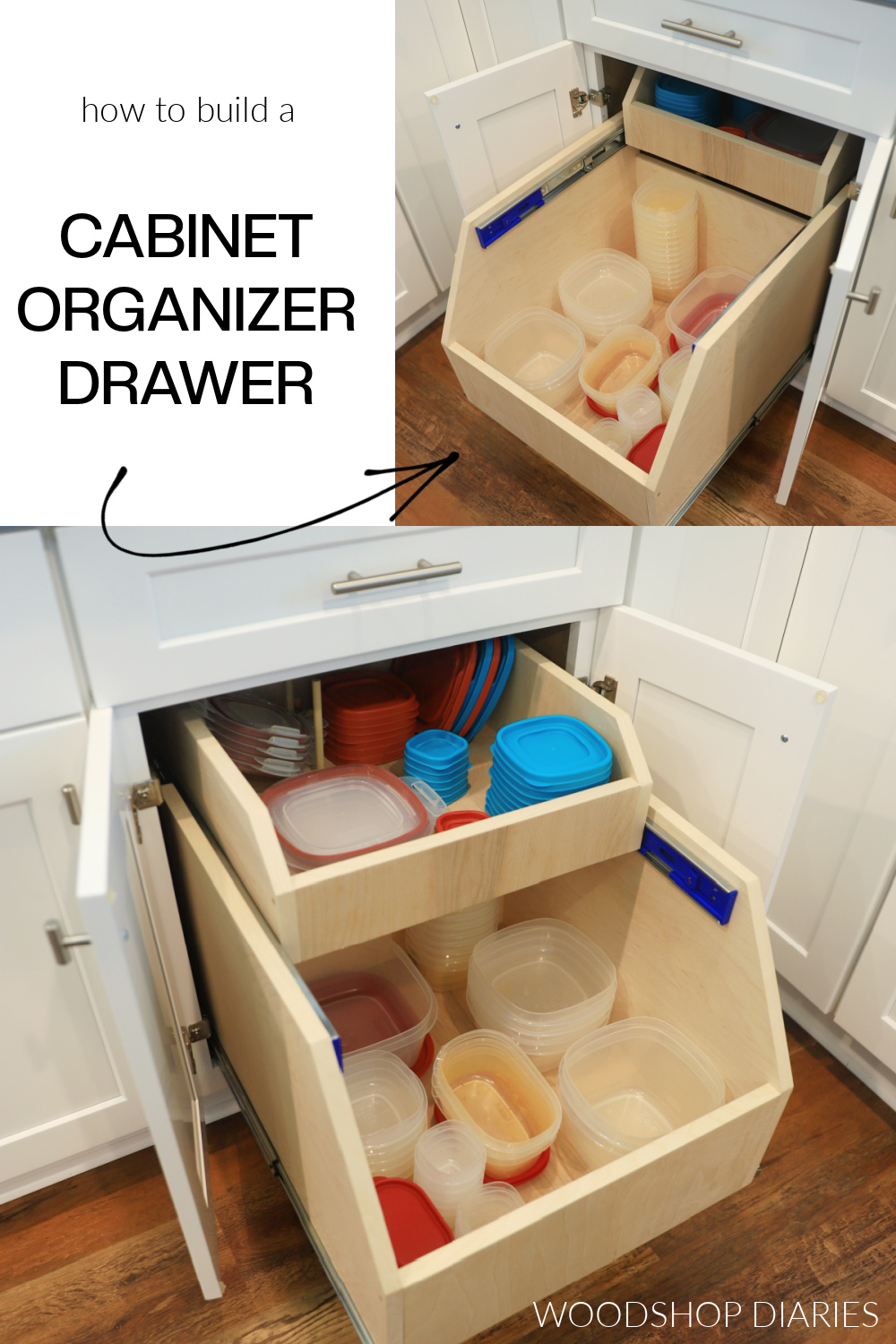
Maximize space with deep drawers. Use pull-out shelves for easy reach. Install lazy Susans in corner cabinets. Add spice racks inside cabinet doors. Use vertical storage for cutting boards. Keep pots and pans within easy reach.
Balancing Aesthetics And Utility
Choose colors that match your kitchen style. Opt for materials that last long. Mix open shelves with closed cabinets. Blend modern designs with classic touches. Ensure hardware matches cabinet style. Select handles that are easy to grip.

Credit: www.familyhandyman.com
Cutting And Preparing Components
Always wear safety goggles and gloves when cutting wood. Keep fingers away from blades. Use clamps to hold wood steady. Ensure the workspace is clean and free of debris. Avoid distractions while using tools. Keep children away from the area.
Choose the right saw for the job. Circular saws are great for straight cuts. Jigsaws work well for curves. Always check the tool’s condition before use. Replace dull blades promptly. Maintain a firm grip on the tool. Follow the manufacturer’s instructions.
Sand the wood to remove rough edges. Check for any splinters or cracks. Measure twice before cutting. Ensure all pieces fit together. Use a square to check angles. Mark the wood with a pencil for precise cuts. Apply wood glue where needed.
Assembly Techniques
Building cabinets for the kitchen involves precise assembly techniques. Begin by cutting wood to the needed sizes. Next, assemble the frame using screws and wood glue. Finally, attach doors and hardware for a finished look.
Joining Methods
Cabinet parts need strong connections. Wood joints are crucial. Dovetail joints are popular. They look like puzzle pieces. Mortise and tenon joints are also common. They fit together like a lock and key. Biscuit joints use small wooden pieces. They hold parts tightly.
Using Adhesives And Fasteners
Glue makes parts stick together. Wood glue is best for cabinets. Use nails or screws for extra strength. Fasteners help keep parts in place. Nails are quick to use. Screws hold things tight and firm.
Ensuring Structural Integrity
Strong cabinets last longer. Check all connections. Make sure everything fits well. Tighten all screws. Add braces where needed. Keep parts level and straight. Balanced cabinets are stable and secure.
Finishing Touches
Adding finishing touches to kitchen cabinets enhances their appeal. Paint or stain the surfaces for a polished look. Attach handles or knobs to complete the transformation.
Sanding And Smoothing
Start by sanding the cabinet surfaces. Use a fine grit sandpaper. This makes surfaces smooth and ready for paint. Pay attention to edges and corners. They need extra care. Don’t rush this step. Smooth surfaces make cabinets look nice.
Applying Stains Or Paints
Choose a stain or paint color. Make sure it matches your kitchen style. Use a brush or roller for even coverage. Let the first coat dry. Apply a second coat if needed. This adds depth and color. Proper drying time is important. It prevents smudges and streaks.
Installing Hardware
Install handles and knobs. They add charm and function. Choose hardware that matches your cabinet style. Use a screwdriver to attach them securely. Make sure they are aligned properly. Check that they open and close smoothly. Hardware completes the cabinet’s look.
Installing The Cabinets
Installing the cabinets involves aligning them perfectly on the kitchen walls. Ensure they are level and securely fastened. Proper placement enhances both function and style.
Positioning And Securing
First, find the right spot for each cabinet. Use a level to check straightness. It’s important that cabinets are not tilted. Secure them with strong screws. Make sure each cabinet is firmly attached to the wall. Use a drill for this job. Double-check the tightness of all screws.
Aligning Doors And Drawers
Doors and drawers need to be straight. This helps them open easily. Use a screwdriver to adjust hinges. Make sure the doors are even. Check each drawer as well. They should glide smoothly. If needed, adjust the runners. This ensures everything fits perfectly.
Final Adjustments And Checks
Look over all cabinets one more time. Check for any loose screws. Make sure every door closes well. Test each drawer for smooth movement. Adjust if anything feels wrong. Finally, wipe the cabinets clean. Your kitchen will look neat and tidy.
Maintenance Tips
Crafting kitchen cabinets requires regular checks for loose screws and hinges. Sand and polish surfaces to keep them smooth. Clean with a gentle, non-abrasive cleaner to preserve the finish.
Cleaning And Care
Regular cleaning keeps kitchen cabinets looking new. Use a soft cloth and mild soap. Avoid harsh chemicals that can damage surfaces. Wipe spills immediately to prevent stains. Keep cabinets dry and well-ventilated. This helps in avoiding moisture build-up.
Handling Repairs
Fix loose screws or hinges promptly. A small screwdriver is useful for this task. Check for cracks or chips regularly. Repair them with wood filler or glue. This stops further damage. Sometimes, knobs or handles might need tightening. Use basic tools for simple fixes.
Preventing Damage
Protect cabinets from heat and sunlight. Use curtains or blinds for this. Avoid slamming doors and drawers. Install soft-close mechanisms if possible. Keep sharp objects away from cabinet surfaces. Use liners to protect shelves from scratches. Regular care ensures longer-lasting cabinets.
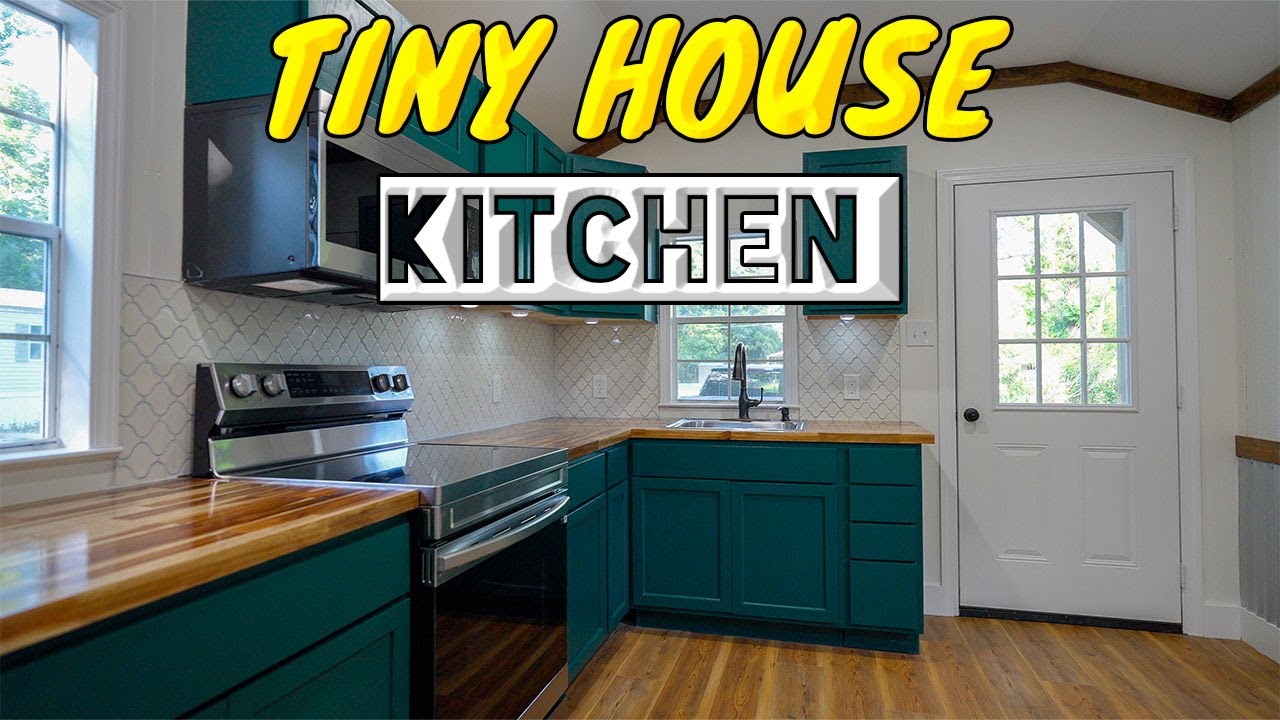
Credit: www.youtube.com
Frequently Asked Questions
What Tools Are Needed To Build Kitchen Cabinets?
To build kitchen cabinets, you’ll need basic tools like a drill, saw, measuring tape, and screwdriver. A level ensures precision, while clamps hold pieces steady. Using a sander can help achieve a smooth finish. Safety gear, including goggles and gloves, is essential for protection during the building process.
How Do I Choose Cabinet Materials?
Choose cabinet materials based on durability, cost, and aesthetics. Plywood is strong and affordable, while solid wood offers premium quality. MDF is budget-friendly but less durable. Consider finishes like laminate for easy maintenance. Always align your choice with kitchen design and functional needs for the best results.
What Is The Ideal Cabinet Size For Kitchens?
The ideal cabinet size depends on kitchen space and storage needs. Standard base cabinets are 24 inches deep and 34. 5 inches tall. Upper cabinets are usually 12-18 inches deep. Customize dimensions to fit appliances and maximize storage. Proper sizing ensures functionality and enhances the kitchen’s aesthetic appeal.
How Do I Install Kitchen Cabinets Securely?
To install kitchen cabinets securely, start by finding wall studs for support. Use a level to ensure cabinets are straight. Secure with screws through the back and into studs. Double-check alignment and spacing. Proper installation prevents future issues and ensures cabinets remain sturdy and functional.
Conclusion
Building kitchen cabinets can be a fulfilling project. With the right tools and materials, success is within reach. Follow each step carefully for best results. Take your time to measure and plan. Precision is key. Customize designs to fit your kitchen space.
This adds personal touch and value. Safety should always be a priority during construction. Enjoy the process of creating something unique. Once completed, admire your hard work. These cabinets will serve your family for years. Ready to start your project?
Dive in and experience the joy of DIY craftsmanship.