Are you tired of looking at your plain kitchen walls and dreaming of a fresh, stylish upgrade? Installing a backsplash might be just the solution you need to transform your kitchen into a stunning culinary space.
Imagine the difference a beautifully crafted backsplash can make, not only protecting your walls but also adding a pop of color and personality to your kitchen. You might think that such a project sounds daunting, but with the right guidance, it’s entirely doable on your own.
This blog post will walk you through the simple steps to install a backsplash in your kitchen, making it an achievable DIY project that can boost both your home’s aesthetic appeal and your confidence in your own handiwork. Ready to give your kitchen the makeover it deserves? Read on to discover how you can turn this vision into reality.
Choosing The Right Backsplash Material
Tileis popular for its durability. It resists stains and water. Colors and patterns vary widely. Easy to clean and maintain.
Glassoffers a sleek look. It reflects light well. Adds brightness to dark kitchens. Comes in many colors. Easy to wipe clean.
Metalgives a modern vibe. Stainless steel is common. It’s heat-resistant and sturdy. Perfect for busy kitchens. Easy to scrub.
Stonelike marble or granite feels luxurious. Natural patterns add charm. Needs sealing to avoid stains. Higher maintenance.
Woodprovides warmth. Must be sealed against moisture. Offers unique textures. Not ideal for wet areas.
Peel-and-stickoptions are budget-friendly. Simple to install. Great for renters. Limited designs but easy to remove.
Gathering Essential Tools And Materials
First, gather all the tools and materials needed. You will need a tape measure, level, and utility knife. A notched trowel and rubber float are important for spreading adhesive. Don’t forget your tile cutter for precise cuts. A bucket and sponge will help with cleanup. Safety gear is necessary too. Wear gloves and goggles to protect yourself. Next, gather the materials. Tiles are the most important. Choose a style that fits your kitchen. Get tile adhesive and grout to hold tiles in place. Spacers keep tiles evenly spaced. A pencil is useful for marking measurements. Finally, have all these ready before you begin.
Preparing The Kitchen Wall
Start by cleaning the wall. Remove grease and dirt. A clean surface helps the tiles stick better. Use soap and water to wash the wall. Dry it completely with a towel. Next, check the wall for any holes or cracks. Fill them with spackle. Let it dry fully. Sand the area for a smooth surface. Make sure the wall is even. Measure the space for tiles. Mark the starting point with a pencil. This helps keep tiles straight. Gather all tools and materials. You will need tile adhesive, grout, and spacers. Prepare everything before you start. This saves time and keeps you organized.
Measuring And Cutting The Backsplash
Begin by measuring the wall space for the backsplash. Use a measuring tape for accuracy. Write down the width and height. Ensure measurements are precise. This helps in cutting the backsplash correctly.
Place the backsplash material on a flat surface. Use a pencil to mark the measurements. A ruler helps in drawing straight lines. Double-check the marked lines.
Cut the backsplash using a saw. Always wear safety glasses. Cut slowly to prevent mistakes. Follow the marked lines carefully. Smooth edges with sandpaper for a clean finish.
Check the cut pieces against the wall. Make sure they fit properly. Adjust if needed. This ensures a perfect fit when installing.
Installing The Backsplash Tiles
Choose tiles that match your kitchen style. Make sure they are durable. Clean the wall where tiles will go. Remove any dirt or grease. Measure the area carefully. Mark where each tile will be placed. Use a level to keep lines straight. Cut tiles if they don’t fit. Use a tile cutter for clean cuts.
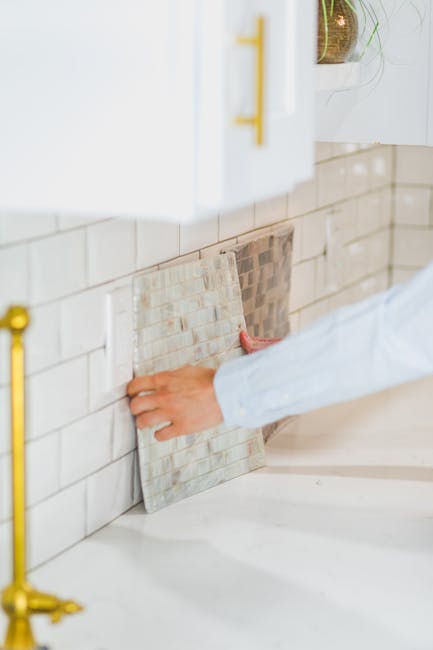
Mix tile adhesive according to instructions. Apply adhesive with a trowel. Spread evenly across the wall. Press each tile firmly onto the adhesive. Check alignment often. Let tiles set for 24 hours. Grout the tiles once adhesive is dry. Apply grout with a rubber float. Fill spaces between tiles completely. Wipe excess grout with a damp sponge.
Seal the tiles to protect them. Use a tile sealer that fits your tile type. Apply sealer evenly. Let it dry as per instructions. Enjoy your new kitchen backsplash!
Finishing Touches And Maintenance Tips
After installing your backsplash, clean the surface gently. Use a soft cloth and mild soap for cleaning. Avoid harsh chemicals that might damage the tiles. Once clean, check for any missing grout. Fill gaps to ensure a smooth finish.
Sealing the grout is important. It helps prevent stains and water damage. Apply grout sealer evenly. Let it dry completely before using the kitchen. Regular sealing keeps the backsplash looking new.
Inspect the backsplash regularly. Look for loose tiles or grout issues. Fix problems early to avoid bigger repairs. Keeping the backsplash clean and maintained ensures a fresh kitchen look.
Frequently Asked Questions
What Tools Do I Need For Backsplash Installation?
To install a backsplash, you’ll need several tools. Key items include a tile cutter, adhesive spreader, and level. Also, consider safety gear like gloves and goggles. Having these tools ensures a smoother installation process. Proper preparation with the right tools is essential for a successful backsplash project.
How Do I Prepare The Wall For Backsplash?
Start by cleaning the wall thoroughly to remove grease and dirt. Ensure it’s dry before applying the backsplash. Repair any wall imperfections with spackle. A smooth surface helps tiles adhere better. Proper wall preparation is crucial for the backsplash to stick securely and look professional.
Can I Install Backsplash Without Professional Help?
Yes, installing a backsplash can be a DIY project. With the right tools and instructions, it’s manageable. Many homeowners successfully install backsplashes themselves. Follow guides carefully and take your time. This approach saves money and allows customization. However, seek professional help if unsure or overwhelmed.
How Long Does Backsplash Installation Take?
Backsplash installation usually takes a few hours to a full day. The duration depends on the area size and tile complexity. Preparation and drying time also factor in. For small kitchens, it might be quicker. Larger or intricate designs require more time.
Planning helps manage expectations and schedule.
Conclusion
Installing a backsplash can transform your kitchen space. It adds style and protects walls. Remember to measure carefully before cutting tiles. Use the right adhesive for a secure fit. Grout ensures tiles stay in place and look neat. Check for any gaps or uneven spots.
Cleaning up after is important. This DIY project can be rewarding. A backsplash enhances beauty and function. Take your time to achieve a professional finish. Enjoy the new look of your kitchen.