Imagine walking into your kitchen after cooking a delightful meal, only to be greeted by lingering odors and a stuffy atmosphere. Sound familiar?
An exhaust fan can be your kitchen’s unsung hero, swiftly removing smoke, steam, and smells, leaving your space fresh and inviting. Installing an exhaust fan might seem like a daunting task, but it can be surprisingly straightforward with the right guidance.
You’re about to discover how easy it is to transform your kitchen environment with just a few tools and a bit of know-how. Dive into the following steps to ensure your kitchen becomes the airy and pleasant space you’ve always wanted. Don’t miss out on making your cooking experience more enjoyable and your kitchen more welcoming!
Credit: www.youtube.com
Choosing The Right Exhaust Fan
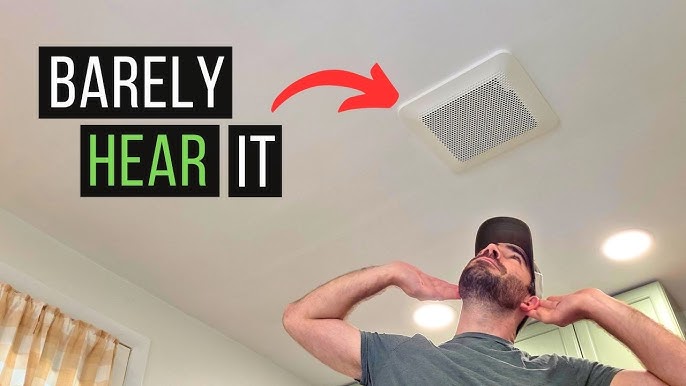
Selecting the perfect exhaust fan is crucial for your kitchen. First, measure the size of your kitchen. This helps in selecting a fan with the right capacity. Capacity is measured in CFM (Cubic Feet per Minute). A larger kitchen needs a higher CFM. Smaller kitchens require less. Next, consider the fan’s noise level. Noise is measured in sones. Lower sones mean a quieter fan. No one likes a noisy kitchen!
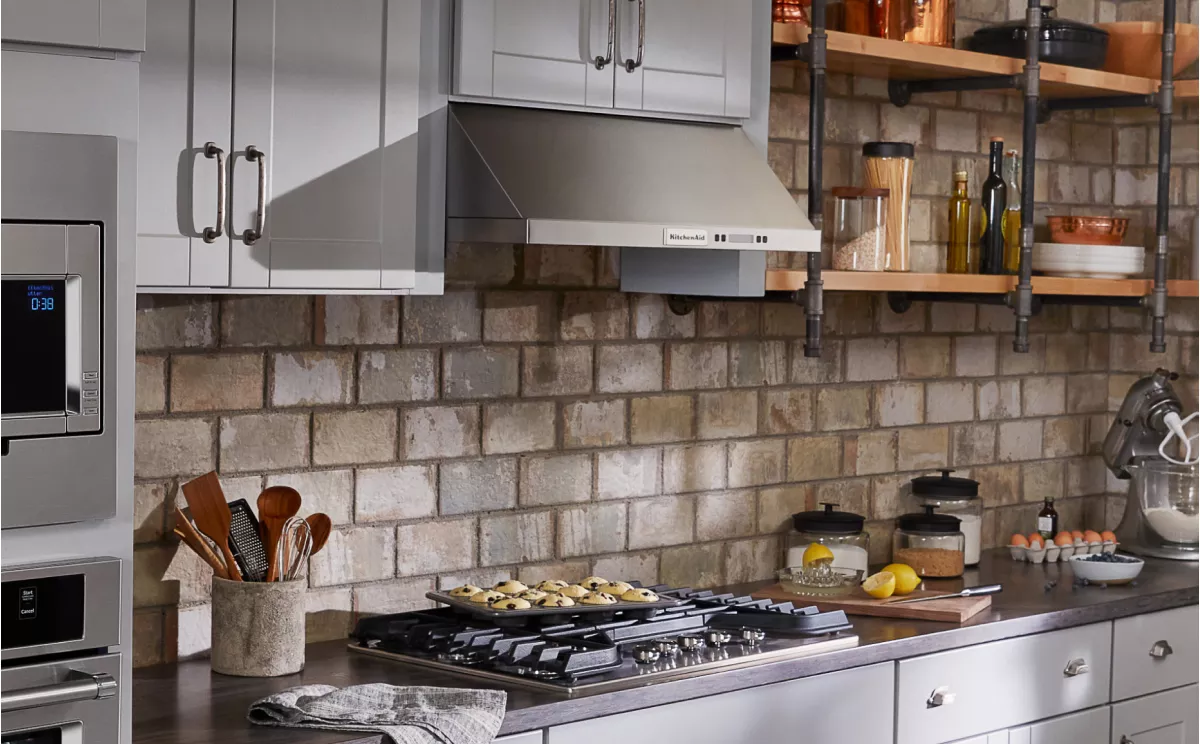
Look for a fan that’s easy to clean. Grease can build up quickly. Choose a fan with a removable filter. This makes cleaning simple. Lastly, decide on the fan’s style and color. It should match your kitchen’s design. A good-looking fan can enhance your kitchen’s appearance.
Credit: www.kitchenaid.com
Gathering Necessary Tools
Begin with collecting all the essential toolsfor the job. You will need a screwdriver, a drill, and a measuring tape. Keep a ladderhandy for reaching high places.
Make sure you have screwsand wiresready. A wire stripperand a voltage testerare also important. These tools will help you connect the fan safely.
Don’t forget to wear gogglesfor eye safety. Gloves can protect your hands while working. Having all tools ready makes the installation easy.
- Screwdriver
- Drill
- Measuring tape
- Ladder
- Screws
- Wires
- Wire stripper
- Voltage tester
- Goggles
- Gloves
Safety Precautions
Safety is very important when installing an exhaust fan. Always turn off the electricity before you start. Use a voltage tester to make sure the power is off. Wear safety goggles to protect your eyes. Use gloves to keep your hands safe. Keep a fire extinguisher nearby, just in case. Make sure the ladder is stable if you use one. Secure all tools so they don’t fall. Never work alone; have someone with you for safety. Check the fan’s manual for specific instructions. Follow all safety guidelines mentioned.
Ensure the kitchen is ventilated during installation. Keep your work area clean and organized. Avoid wet surfaces to prevent slips. Know where the first-aid kit is located. Have a plan in case of emergencies. Always use the right tools for the job. If unsure, call a professional for help. Safety should be your top priority.

Credit: www.create-enjoy.com
Preparing The Installation Area
Ensure the kitchen is clean and free of clutter. Safety is key during this task. Turn off the power supply to avoid any accidents. Check for existing wiring and ventilation paths. Measure the space where the fan will go. Ensure it fits properly. Gather necessary tools like a drill and screwdriver. Use a spirit level to ensure alignment. Mark the area using a pencil for precise drilling. Check for any obstructions in the wall or ceiling. This ensures smooth installation. Ensure your fan is positioned correctly. Proper placement is crucial for effective ventilation.
Installing The Fan
First, gather all the necessary tools. You will need a drill, screwdriver, and measuring tape. Safety goggles and gloves are important too. Before starting, turn off the kitchen electricity. This ensures safety.
Now, measure the fan’s location carefully. Make sure the fan fits well. Use a pencil to mark where the screws will go. Drill holes at the marked spots.
Position the fan carefully in place. Hold it steady. Use screws to attach the fan securely. Tighten them with a screwdriver.
Connect the fan’s wires to the kitchen’s electricity. Follow the instructions on the fan’s manual. This is important for proper working.
Check the fan’s operation by turning the electricity back on. Listen for any unusual noises. Ensure the fan spins smoothly.
Testing And Final Adjustments
Ensure the fan is securely mounted. Check for any loose screws. The fan should turn smoothly. Listen for unusual noises when it runs. Adjust any misaligned parts. Make sure the electrical connections are tight. Confirm the fan’s speed settings work correctly. If the fan has a light, test it. Ensure it turns on and off easily.
Observe the air flow direction. Make sure it directs outside. Check the fan’s efficiency. It should remove cooking odors well. Adjust the fan speed if needed. Test the fan during cooking. Notice any improvements in air quality. Ensure the fan does not wobble. If it does, tighten the screws.
Frequently Asked Questions
How To Choose The Right Kitchen Exhaust Fan?
Choosing the right exhaust fan involves considering kitchen size and fan capacity. Measure your kitchen to determine the necessary airflow capacity. Check the fan’s noise level and energy efficiency. Look for models with easy installation and maintenance features. A properly selected fan ensures effective ventilation and odor removal.
What Tools Are Needed For Installation?
For installing a kitchen exhaust fan, you need a drill, screwdriver, measuring tape, and a utility knife. Safety goggles and gloves are also recommended. Ensure you have the necessary mounting brackets and screws. Having the right tools makes installation smoother and prevents potential damage to your kitchen.
Can I Install An Exhaust Fan Myself?
Yes, installing an exhaust fan is a manageable DIY project. Ensure you follow the manufacturer’s instructions carefully. Familiarize yourself with electrical wiring and safety precautions. If unsure, consult a professional electrician. Proper installation ensures optimal performance and safety. Always prioritize safety when handling electrical components.
How Often Should I Clean My Exhaust Fan?
Clean your kitchen exhaust fan every three to six months. Regular cleaning prevents grease buildup and maintains efficient airflow. Remove the fan cover and clean blades with soapy water. Check the ductwork for obstructions. Regular maintenance extends the fan’s lifespan and ensures a fresh kitchen environment.
Conclusion
Installing a kitchen exhaust fan improves air quality and reduces odors. Follow the steps carefully for a successful installation. Ensure all tools and materials are ready before starting. Double-check wiring connections for safety. Proper placement enhances efficiency. Remember, regular maintenance keeps the fan working optimally.
Enjoy a fresher kitchen environment and a more pleasant cooking experience. Have any questions? Seek help from a professional if needed. Your kitchen’s new exhaust fan is a valuable addition. It brings comfort and cleanliness.