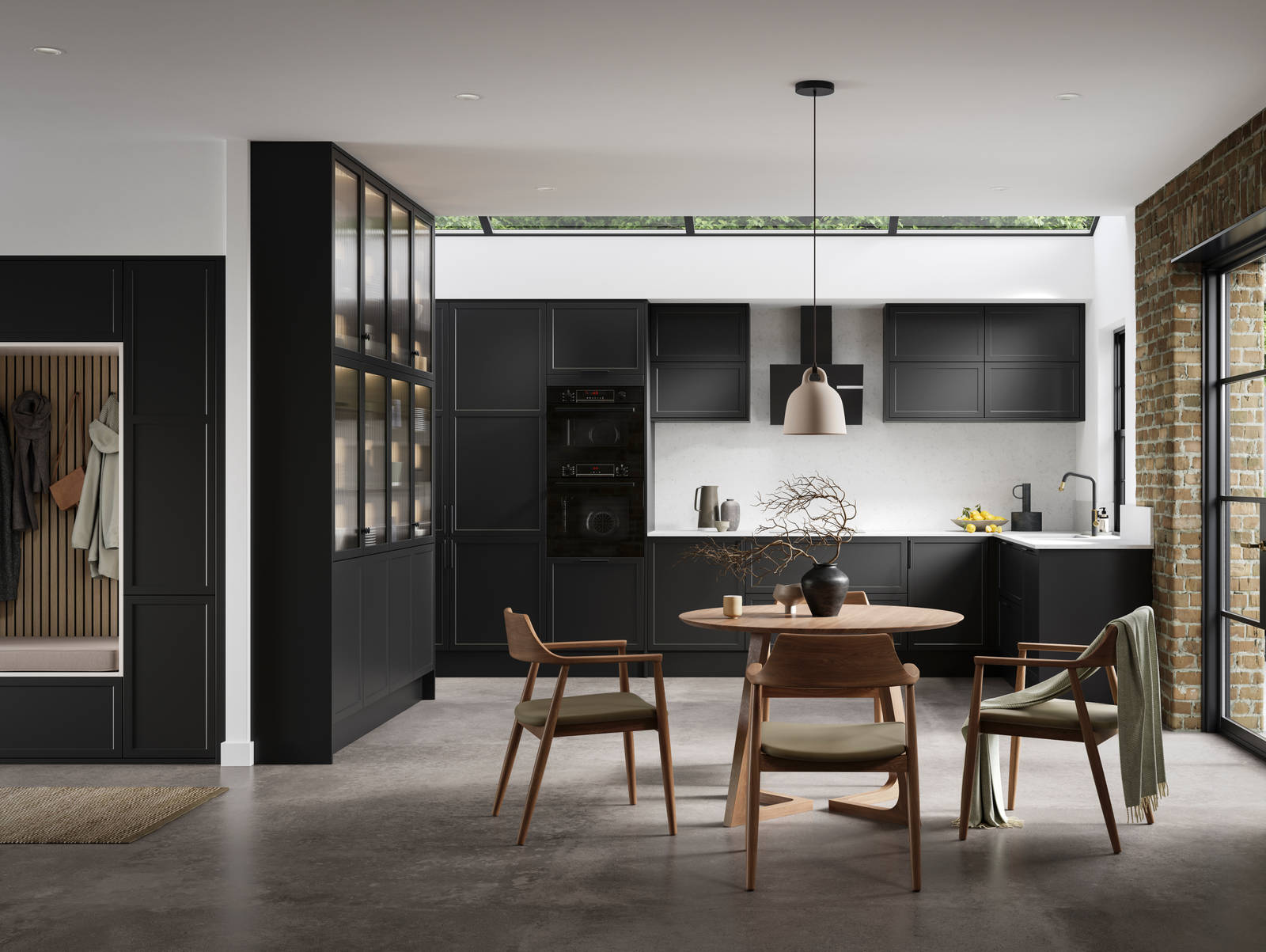
Are you tired of your kitchen and living room blending into one chaotic space? Do you crave a sense of order and distinction between where you cook and where you relax?
You’re not alone. Many homeowners face the challenge of creating defined areas in open-plan homes. Fortunately, there are simple solutions that can transform your living area into a harmonious and functional environment. Imagine walking into your home and feeling a sense of calm and organization, knowing each space serves its unique purpose.
You’ll discover practical and creative ways to separate your kitchen and living room, enhancing both style and functionality. Dive in and find out how easy it can be to achieve the perfect balance in your home.

Credit: www.harlemworldmagazine.com
Open Plan Concepts
Open plan designs make spaces look large and bright. They connect the kitchen and living room. This design is popular in many homes. It allows families to be together, even in different rooms. You can cook while others relax nearby. This setup lets more light enter the house. It feels warm and inviting.
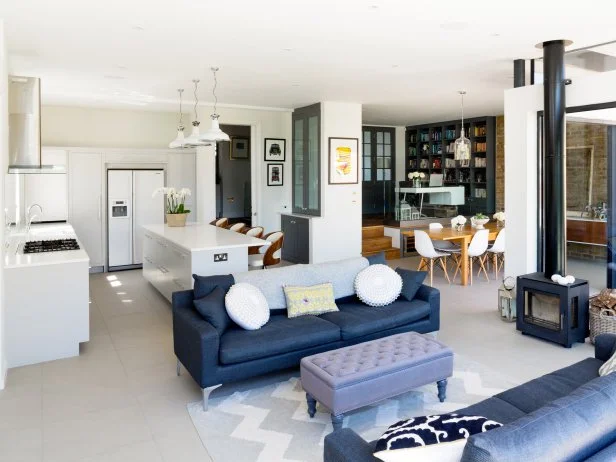
Furniture can help define each space. Use a sofa or a shelf to mark the living room. Rugs can also show where one area ends and another begins. A kitchen island serves as a border and a useful spot for snacks or homework.
Different flooring can separate spaces too. Tiles might cover the kitchen, while wood is perfect for the living area. This makes each room special while staying open and connected.
Using Furniture As Dividers
Furniturecan create a clear boundary between spaces. A tall bookshelf can separate rooms well. It provides storage and visual separation. Place a large sofato divide the areas. This keeps the living room cozy. Use a dining table as a boundary. It defines the kitchen space.
- Bookshelves:Tall ones are best for dividing.
- Sofas:Place them to separate rooms.
- Dining Tables:Use them as natural dividers.
Plantscan also be good dividers. Tall plants add green to the room. They help separate areas naturally. Use different furniture pieces to make distinct spaces. This keeps each area unique. It makes your home look organized.
Implementing Partition Walls
Partition wallscan transform spaces in your home. They offer privacyand a clear division between areas. These walls can be permanentor temporary. Choose materials like wood, glass, or fabric. Wood walls are strong and durable. Glass walls allow light to pass through. Fabric walls are easy to install and move.
Make sure the wall fits your home’s style. Measure the space accurately. Decide the wall’s height and width. This ensures a perfect fit. You can paint or decorate the walls. This adds color and personality to your rooms. Partition walls can also help with soundproofing. This makes the kitchen and living room quieter.
- Wood walls:Strong and durable.
- Glass walls:Allow light to pass through.
- Fabric walls:Easy to install and move.
These walls can be a great addition to your home. Choose the right material to suit your needs.
Credit: www.hgtv.com
Flooring Transitions
Flooring transitionscan make spaces feel distinct. Choose different materials for each room. Wood in the living room and tiles in the kitchen. This creates a clear boundary. Use transition strips where floors meet. They ensure a smooth change. They also prevent tripping. The strips come in different styles and colors. Pick one that matches your floors. This makes the transition look nice.
Consider height differences between floors. Some floors are thicker than others. Adjust transitions to fit these differences. This keeps your home safe and stylish. You can ask for help at a local store. They can guide you in choosing the right transition. It’s a small change with a big impact.
Lighting Techniques
Lightscan help divide the kitchen and living room. Use different lights in each area. This makes each space feel unique. Bright lights in the kitchen help with cooking. Softer lights in the living room make it cozy.
Use pendant lightsover the kitchen table. This creates a clear line. Floor lamps in the living room add warmth. They also make it easy to read. Wall sconces can highlight art or photos. This draws attention and adds style.
- Bright lights for the kitchen
- Soft lights for the living room
- Pendant lights for dining areas
- Floor lamps for cozy corners
- Wall sconces for art

Credit: cozyliving.com.au
Color And Decor Choices
Bright colors make spaces feel open. Use soft tones for a cozy feel. Contrast colors to separate areas visually. Matching colors blend spaces together. Decor items can define areas. Use rugs to mark boundaries.
Choose furniture wisely. Large sofas can split spaces. Small tables can link areas. Art pieces add personality. Hang art to create zones.
Lighting changes mood. Bright lights energize. Soft lights relax. Use lamps to separate areas. Ceiling lights can unify spaces.
- Paint walls to define spaces
- Use curtains for privacy
- Add plants for natural separation
- Use shelves to divide areas
Frequently Asked Questions
What Are Simple Ways To Divide Open Spaces?
Using furniture as dividers or installing a partial wall can separate spaces. Rugs and lighting also define areas. Plants or shelving units provide stylish and functional division. These methods maintain an open feel while distinguishing between the kitchen and living room.
How Can Color Help In Separating Rooms?
Color schemes create visual boundaries between spaces. Use different wall colors or accent colors to distinguish areas. Contrasting colors or tones enhance separation. Consistent color themes maintain harmony while allowing each room to stand out individually. This approach is cost-effective and easy to implement.
Do Room Dividers Work In Small Spaces?
Yes, room dividers are effective in small spaces. Compact dividers like screens or curtains save space while offering separation. They provide privacy without permanent installation. Choose lightweight and portable options that can be easily moved. This flexibility is ideal for small apartments or multifunctional rooms.
Can Lighting Influence Room Separation?
Lighting plays a crucial role in room separation. Use different lighting fixtures for each area to create distinct zones. Pendant lights or table lamps provide focused lighting. Dimmer switches allow mood adjustments, enhancing separation. Proper lighting not only defines spaces but also adds ambiance and functionality.
Conclusion
Creating a distinct kitchen and living room is achievable with simple steps. Use furniture to divide the space. Consider rugs for visual separation. Painting walls differently adds contrast. Shelving units can act as partitions. Curtains or dividers offer privacy. Lighting sets mood and defines areas.
Plants bring life and act as natural barriers. Remember, functionality and aesthetics should align. Experiment with layouts until it feels right. Your home should reflect your style. Enjoy the process of transformation. Make the spaces work for you. Celebrate the harmony of both rooms.
Find balance and comfort in your home.