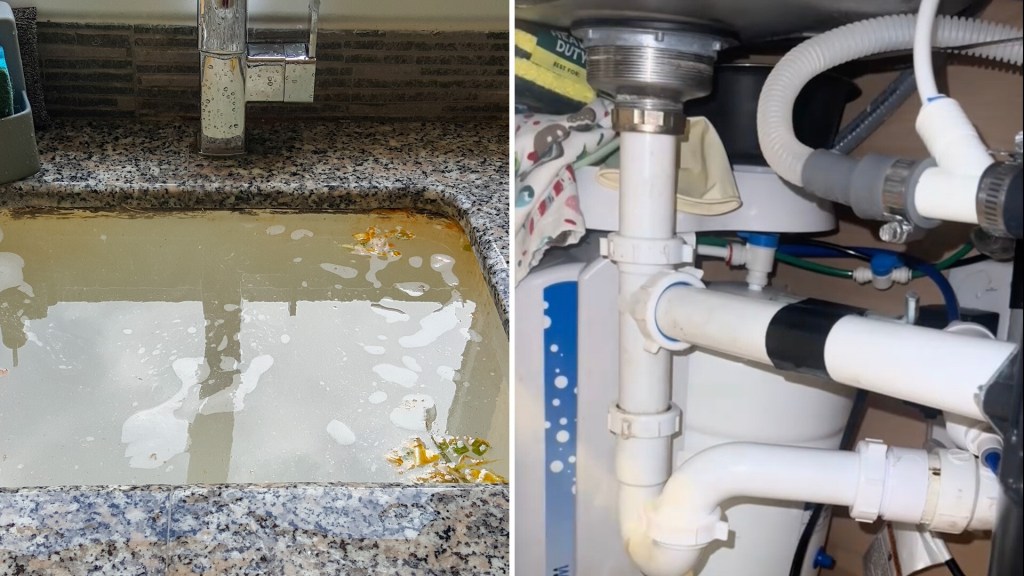
Is your kitchen sink drain pipe clogged and causing water to back up? You’re not alone, and the good news is that you don’t have to call a plumber right away.
Imagine easily fixing the problem yourself with simple steps that save you time and money. You’ll discover clear, straightforward methods to unclog your kitchen sink drain pipe quickly. Keep reading, and you’ll learn how to tackle this common household issue with confidence and ease.

Credit: www.drano.com
Common Causes Of Sink Clogs
Food bits often stick inside pipes. These bits block water flow. Cleaning dishes can wash food down the drain. Small scraps gather over time. This buildup can clog pipes fast. Regular cleaning helps prevent clogs.
Grease and oil stick to pipes. They harden over time. This makes clogs worse. Hot grease cools and sticks inside. Washing dishes adds more grease. Avoid pouring oil down the sink.
Small items can fall into the sink. Items like bottle caps or wrappers block pipes. These objects stop water from flowing. Removing them can clear clogs. Be careful with tiny things near sinks.
Hair can fall into the sink. Soap scum sticks to pipes. Together, they form thick clogs. Washing hands or dishes adds to this problem. Using strainers can help stop hair from entering.

Credit: www.youtube.com
Tools You’ll Need
To unclog a kitchen sink drain pipe, a few basic toolsare essential. A plungerhelps push blockages out by creating suction. A drain snakeis a long, flexible tool that can reach deep clogs.
Baking soda and vinegarwork well as a natural cleaner. Pour baking soda down the drain, then add vinegar. This combo causes fizzing that helps clear minor clogs.
A bucket and wrenchare handy for removing pipes under the sink. The bucket catches water, while the wrench loosens pipe connections. Together, they help access the clog for easier cleaning.
Safety Tips Before Starting
Before starting, always turn off the water supply. This prevents more water from filling the sink. Wearing glovesprotects your hands from dirt and sharp objects inside the drain. Cover the area around the sink with old towels or cloths. This will protect surfacesfrom water spills or cleaning chemicals. These simple steps keep the work area clean and safe.
Quick Fixes For Minor Clogs
Pouring boiling waterdown the drain can help clear minor clogs. The hot water melts greaseand loosens debris stuck inside the pipes. Do this slowly in several stages, allowing the hot water to work.
Mix half a cup of baking sodawith half a cup of vinegar. Pour it down the drain and cover it for 15 minutes. The fizz helps break down buildup inside the pipes. After 15 minutes, rinse with hot water.
- Use a plungerto push the clog loose.
- Seal the drain opening tightly with the plunger.
- Push and pull quickly for about 20 seconds.
- Remove the plunger and check if water drains.
- Repeat if needed, but do not use too much force.
Clearing Stubborn Clogs
A drain snakeis a flexible tool used to reach deep clogs. Insert it slowly into the drain pipe. Twist and push it further until the clog loosens. Pull the snake out carefully, bringing debris along. Repeat if needed for tough blockages.
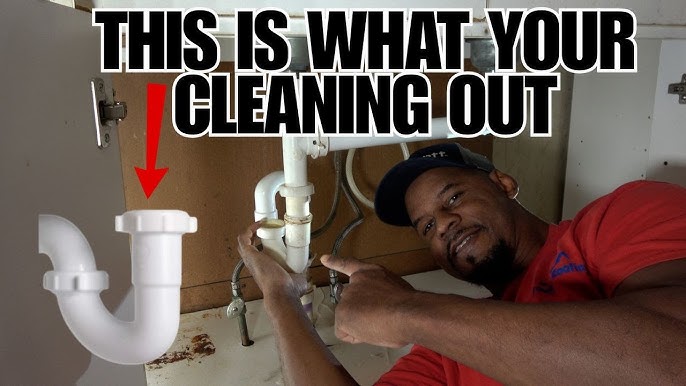
The P-trapis the curved pipe under the sink. Place a bucket below to catch water. Unscrew the connectors and remove the trap. Clean out hair, grease, and food bits inside. Reattach securely to avoid leaks.
| Chemical Drain Cleaners | Pros | Cons |
|---|---|---|
| Effectiveness | Works fast on soft clogs | May not clear tough blockages |
| Ease of Use | Simple to apply | Requires careful handling |
| Safety | – | Can harm pipes and skin |
| Environmental Impact | – | May pollute water systems |
Credit: www.thecooldown.com
Preventing Future Clogs
Proper waste disposal helps keep your sink drain clear. Avoid putting grease, coffee grounds, and food scrapsdown the drain. These items can build up and cause clogs over time. Use a trash bin for solid waste to stop blockages.
Regular maintenance keeps pipes flowing smoothly. Flush drains with hot water once a week to clear minor buildup. Use natural cleaners like baking soda and vinegar for safe cleaning. Avoid harsh chemicals that can damage pipes.
- Use drain screensto catch hair and food particles.
- Clean screens often to prevent debris from entering pipes.
- Choose screens that fit your sink drain properly.
Frequently Asked Questions
How Do I Unclog A Kitchen Sink Drain Naturally?
Use a mixture of baking soda and vinegar to clear clogs. Pour half a cup of baking soda into the drain, followed by half a cup of vinegar. Wait 15 minutes, then flush with hot water to remove debris safely and effectively.
What Tools Are Needed To Unclog A Sink Drain?
Common tools include a plunger, plumber’s snake, and a wrench. These help remove blockages without damaging pipes. Having a bucket and gloves is also useful for handling water and debris during the process.
Can Chemical Drain Cleaners Damage Pipes?
Yes, chemical cleaners can corrode pipes over time. They may cause leaks or pipe damage, especially with frequent use. Opt for natural methods or mechanical removal for safer, long-term drain maintenance.
How Often Should I Clean My Kitchen Sink Drain?
Cleaning your drain every 1-3 months prevents buildup and clogs. Regular maintenance keeps water flowing smoothly and reduces odors. Use natural cleaners or flush with hot water routinely for best results.
Conclusion
Clearing a clogged kitchen sink is easier than it seems. Use simple tools like a plunger or baking soda and vinegar. Regular cleaning helps avoid future blockages. Stay patient and follow each step carefully. A clear drain means less stress and faster cleanup.
Keep your kitchen running smoothly with these easy tips. You can handle small clogs on your own. Save time and money by acting quickly. Remember, a little effort goes a long way in home care.