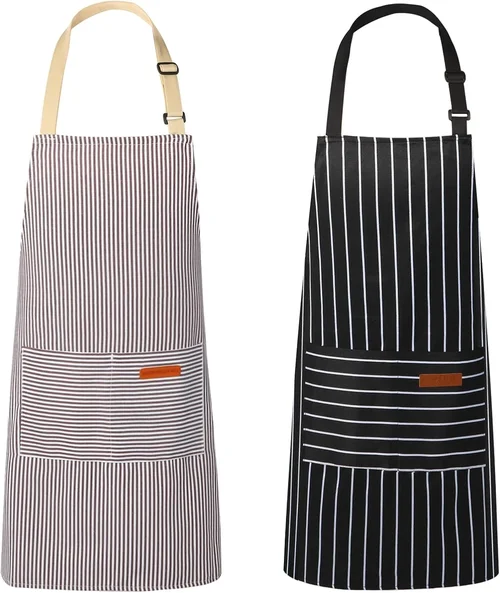
Welcome, fellow home cooks and culinary adventurers! Whether you’re a seasoned chef creating gourmet meals or a beginner experimenting with new recipes, a good apron is far more than just a piece of fabric. It’s your reliable kitchen companion, a shield against splatters, spills, and flour dust, and often, an extension of your personal style. But with an overwhelming array of materials, styles, and features on the market, choosing the right apron can feel surprisingly complicated.
This comprehensive guide is designed to cut through the clutter and empower you to make an informed decision. We understand that every home cook has unique needs, preferences, and kitchen habits. That’s why we’re diving deep into everything from fabric durability and design functionality to budget considerations and care instructions, ensuring you find an apron that perfectly suits your culinary journey.
You’ll discover the key factors that differentiate a good apron from a great one, explore various types available, learn to avoid common buying mistakes, and get expert tips to ensure your investment serves you well for years to come. By the end of this guide, you’ll be equipped with all the knowledge needed to select the smart apron that not only protects your clothes but also enhances your cooking experience, allowing you to focus on the joy of creating delicious food.

What to Look for When Buying Buying Guide
When embarking on the quest for the perfect apron, it’s easy to get sidetracked by aesthetics alone. However, an apron’s true value lies in its functionality, durability, and how well it integrates with your cooking routine. Here are the critical factors you should meticulously evaluate before making a purchase.
1. Material & Fabric Composition
The material of an apron dictates its primary characteristics: protection, comfort, and ease of care. Different fabrics offer varying degrees of water resistance, heat protection, and overall longevity.
Cotton: A perennial favorite, cotton aprons are breathable, comfortable, and relatively affordable. They offer good basic protection against spills and can be machine washed easily. However, they may not be entirely waterproof and can stain if not treated promptly. Look for heavier-weight cotton or canvas for better durability and stain resistance. Organic cotton options are also available for those seeking environmentally friendly choices.
Linen: Known for its luxurious feel and excellent absorbency, linen aprons are soft, breathable, and dry quickly. They develop a beautiful, lived-in look over time. While great for general cooking, linen may not offer the same heavy-duty protection against hot liquids or sharp tools as some other materials. They often require specific care to prevent excessive wrinkling.
Denim: Durable, stylish, and increasingly popular, denim aprons offer robust protection and a rugged aesthetic. They are excellent for heavy-duty cooking, grilling, or even crafting. Denim tends to be thicker than basic cotton, providing better barrier protection. However, new denim can be stiff and may require a few washes to soften up, and it can be heavier, which might impact comfort during long cooking sessions.
Canvas (including Waxed Canvas): Canvas aprons are exceptionally durable and resistant to wear and tear. Waxed canvas, in particular, offers superior water and stain resistance, making it ideal for messy tasks or outdoor grilling. It develops a unique patina over time. The trade-off is that waxed canvas can be stiffer, heavier, and typically requires spot cleaning rather than machine washing to preserve its wax coating.
Leather: For the ultimate in durability, heat resistance, and a professional aesthetic, leather aprons are top-tier. They are superb for grilling, blacksmithing, or any task involving high heat or heavy-duty protection. Leather is naturally resistant to oils and some liquids, but it’s heavy, expensive, and requires specialized cleaning and conditioning. It’s not typically practical for everyday home cooking unless you’re frequently engaging in specific, high-heat tasks.
Synthetics (Polyester Blends): Often blended with cotton, synthetic fabrics offer enhanced stain resistance, quick-drying properties, and often a lower price point. They are easy to care for and can withstand frequent washing. While they might lack the natural feel of pure cotton or linen, modern blends can be quite comfortable and highly functional for daily kitchen use.
2. Design & Style Considerations
The style of an apron impacts its coverage, comfort, and aesthetic appeal. Choosing the right design depends on your cooking habits and personal preference.
Bib Aprons: These are the most common type, covering your chest to your knees. They offer maximum protection from splatters and spills on your upper body and lap. Bib aprons typically feature neck and waist ties or a cross-back strap system.
Waist Aprons (Half Aprons): Providing coverage from the waist down, these aprons are ideal for tasks where upper body protection isn’t critical, but you still want to keep your pants clean. They are lighter, less restrictive, and often favored by servers or bakers who need mobility. Also known as half aprons or bistro aprons, depending on length.
Bistro Aprons: A longer version of the waist apron, extending further down the leg, often to mid-calf or ankle. They offer more coverage for the legs and are popular in professional settings for their sophisticated look and practicality in protecting uniforms.
Cross-Back Aprons: A variation of the bib apron, featuring straps that cross over your back instead of looping around your neck. This design significantly reduces neck strain by distributing the weight across your shoulders, making it much more comfortable for long cooking sessions. Many home cooks swear by this style for its ergonomic benefits.
Pinafore Aprons: These are often more fashion-forward, designed without ties, slipping on over the head. They offer a relaxed fit and are great for light kitchen tasks or gardening. While stylish, they may not offer the same secure fit or heavy-duty protection as tied aprons.
3. Adjustability and Fit
A well-fitting apron is crucial for comfort and functionality. One-size-fits-all aprons can be deceptive; true adjustability is key.
Neck Straps: Adjustable neck straps, usually with a D-ring or slider buckle, allow you to customize the height of the bib, ensuring it sits comfortably without choking or hanging too low. Fixed neck loops can be uncomfortable for taller or shorter individuals.
Waist Ties: Long, sturdy waist ties allow for a secure fit around different body types. Some aprons feature continuous loops or snaps for a more streamlined look and easier fastening. The length should allow you to tie it securely in the front or back, depending on your preference.
Cross-Back Systems: As mentioned, these distribute weight better. Look for systems where the straps are wide enough to prevent digging into your shoulders and are easily adjustable in length. Some even feature quick-release buckles for convenience.
Overall Dimensions: Consider the apron’s width and length relative to your body type. A wider apron offers more side coverage, while a longer apron protects more of your legs. Don’t just assume standard sizes will fit perfectly; check the manufacturer’s dimensions if possible.
4. Pockets & Functionality Features
The utility of an apron is significantly enhanced by its pockets and additional features, which keep essential tools close at hand.
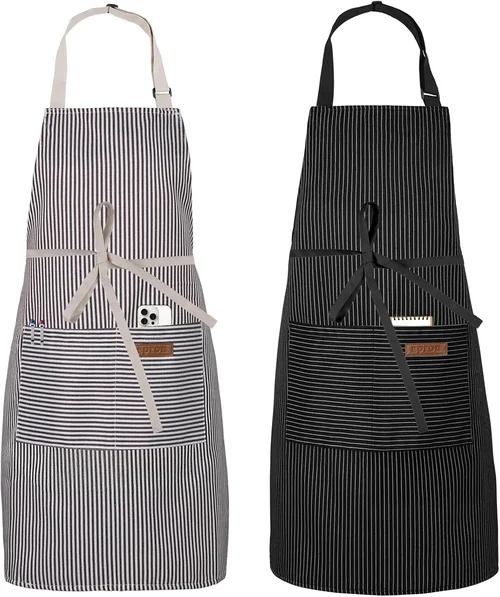
Pocket Quantity & Size: Consider how many and what size pockets you need. Small pockets are great for pens, thermometers, or tasting spoons. Larger pockets can hold dish towels, recipe cards, or even your phone. Some aprons feature chest pockets, hip pockets, or even large kangaroo-style pockets.
Pocket Placement: Pockets should be easily accessible without impeding movement. Chest pockets are great for quick grabs, while hip pockets are good for heavier items. Ensure pockets are deep enough to prevent items from falling out when bending or moving.
Special Features:
- Towel Loops: A loop on the side of the apron is incredibly handy for keeping a clean kitchen towel or side towel within easy reach, eliminating the need to search for one.
- Tool Loops: Similar to towel loops, but often sturdier, designed for holding tongs, spatulas, or other frequently used cooking utensils.
- Split-Leg Design: Some longer aprons feature a split or vent at the bottom, allowing for greater freedom of movement, especially when bending or sitting.
5. Durability & Build Quality
An apron is an investment, and its longevity depends heavily on the quality of its construction.
Stitching: Look for reinforced stitching at stress points like pocket corners, strap attachments, and seams. Double stitching or bar-tacked seams indicate a higher quality build that can withstand frequent use and washing.
Fabric Weight: Heavier fabric weights (e.g., 8-12 oz denim, thick canvas) generally correlate with increased durability and resistance to wear and tear. While lighter fabrics are more breathable, they might not last as long under heavy use.
Hardware: If the apron has metal buckles, grommets, or rivets, ensure they are made from high-quality, rust-resistant materials like brass or stainless steel. Plastic hardware should feel robust and secure.
Reinforcements: Areas that experience high friction or stress, such as where straps attach to the main body, should ideally have extra fabric layers or reinforced stitching.
6. Ease of Care & Maintenance
In a busy kitchen, your apron will inevitably get dirty. How easy it is to clean is a major practical consideration.
Machine Washability: Most cotton, linen, and denim aprons are machine washable, which is a huge convenience for home cooks. Always check the care label for specific temperature settings and drying instructions.
Stain Resistance: Some fabrics or treatments offer enhanced stain resistance, making them easier to clean. Darker colors also tend to show stains less prominently.
Special Care: Waxed canvas aprons typically require spot cleaning and re-waxing to maintain their water resistance. Leather aprons need specialized leather cleaners and conditioners. If you’re not prepared for this extra effort, these materials might not be suitable for everyday use.
Drying: Consider whether the apron can be tumble dried or if it requires air drying. Fast-drying fabrics are a plus if you use your apron frequently.
7. Budget & Price Range
Aprons come in a wide range of prices, and establishing your budget beforehand will help narrow down your options.
Entry-Level: Affordable aprons (often cotton or poly-cotton blends) provide basic protection and are great for occasional use or if you need multiple aprons. They may lack premium features or heavy-duty construction.
Mid-Range: This segment offers a great balance of quality, durability, and features. You can expect good quality cotton, denim, or linen, often with reinforced stitching and thoughtful design elements like adjustable straps and multiple pockets.
Premium/Luxury: Higher-priced aprons often feature superior materials (e.g., waxed canvas, high-grade denim, genuine leather), expert craftsmanship, unique designs, and specialized features. These are investments designed for longevity and specific needs, often preferred by serious enthusiasts or professionals.
Remember that the “best” apron isn’t always the most expensive, but rather the one that offers the best value for your specific needs and cooking habits.
Different Types of Buying Guide

Understanding these distinct apron types will help you narrow down your search based on your specific kitchen activities and desired level of protection. While a classic bib apron is a versatile choice for most home cooks, considering specialized options like cross-back or waxed canvas could significantly enhance your comfort and efficiency.
Common Buying Mistakes to Avoid

Navigating the apron market can be tricky, and it’s easy to fall into common traps. Being aware of these pitfalls can save you from buyer’s remorse and ensure your chosen apron truly meets your expectations.
❌ Mistake: Prioritizing Aesthetics Over Functionality
Why it’s bad: Many aprons look fantastic in photos, featuring trendy patterns or stylish colors. However, if that beautiful apron is made from a thin, non-absorbent fabric or has impractical pockets, it won’t stand up to the rigors of real kitchen work. You might end up with stained clothes and a frustrating cooking experience.
What to do instead: Always consider the primary purpose of an apron: protection. Focus on durable, easy-to-clean materials, thoughtful design features like adjustable straps and functional pockets, and then look for styles that appeal to you within those practical parameters. An apron should be a tool first, a fashion statement second.
❌ Mistake: Ignoring Material’s Cleaning Requirements
Why it’s bad: You buy a gorgeous waxed canvas or leather apron, only to realize it can’t be tossed into the washing machine like your old cotton one. Specialized cleaning (spot cleaning, re-waxing, leather conditioning) can be time-consuming and might not fit into your busy schedule, leading to neglected or prematurely damaged aprons.
What to do instead: Before purchasing, always check the care instructions. If frequent machine washing is a must for you (as it is for most home cooks), stick to cotton, linen, denim, or synthetic blends. Only opt for waxed canvas or leather if you’re prepared for the specific maintenance they require.
❌ Mistake: Assuming “One-Size-Fits-All” Works for Everyone
Why it’s bad: Aprons labeled “one-size-fits-all” can often be too long, too short, too wide, or too narrow for many individuals. A poorly fitting apron can be uncomfortable, restrict movement, or leave crucial areas unprotected, diminishing its effectiveness and your enjoyment.
What to do instead: Pay attention to the apron’s actual dimensions (width, length, strap length) provided by the manufacturer. If possible, measure your torso and waist to compare. Look for aprons with highly adjustable neck and waist straps to customize the fit for your body type. Cross-back designs often offer a more universal comfortable fit by distributing weight.
❌ Mistake: Underestimating Pocket Needs and Placement
Why it’s bad: You might think one small pocket is enough, but once you start cooking, you realize you need a place for a thermometer, a tasting spoon, a pen for notes, or even your phone. Pockets that are too small, too few, or poorly placed can lead to clutter on your countertops or constantly searching for tools.
What to do instead: Consider your typical cooking habits. Do you use many small tools? Do you constantly need a towel? Look for aprons with multiple pockets of varying sizes. A chest pocket, a few hip pockets, and a towel loop are often ideal for home cooks. Ensure pockets are deep enough to securely hold items without them falling out.
❌ Mistake: Choosing the Wrong Strap Type for Comfort
Why it’s bad: Many traditional bib aprons use a halter-neck strap that loops around your neck. While functional, this design can place considerable strain on your neck and shoulders, especially during long cooking sessions or if the apron’s material is heavy. This discomfort can detract from the joy of cooking.
What to do instead: If you spend significant time in the kitchen, prioritize an apron with a cross-back (X-back) strap system. These straps distribute the weight evenly across your shoulders, dramatically increasing comfort and reducing neck strain. If a halter-neck is your preference, ensure it’s widely adjustable and consider a lighter-weight fabric.
❌ Mistake: Not Checking Return Policies or Warranty
Why it’s bad: You receive an apron, and it’s not what you expected—the material feels cheap, the fit is off, or a seam quickly unravels. Without a clear return policy or warranty, you might be stuck with an unsuitable or defective product, wasting your money.
What to do instead: Always purchase from retailers or brands with transparent return policies and, ideally, a warranty against manufacturing defects. This provides peace of mind and allows you to exchange or return the apron if it doesn’t meet your expectations or if there’s a quality issue within a reasonable timeframe. Reading user reviews about customer service can also be insightful.
Budget Guidelines: How Much Should You Spend?
The price of aprons for home cooks can vary dramatically, from under $15 to well over $100. Understanding what you get at different price points will help you allocate your budget wisely and ensure you’re getting the best value for your money.
Entry-Level ($15 – $30)
What to expect: In this range, you’ll find basic cotton or poly-cotton blend aprons. They typically offer standard bib coverage with halter-neck straps. These are perfectly functional for occasional use, light cooking tasks, or if you need multiple aprons for guests. Expect simpler stitching, fewer specialized features, and perhaps less durable fabric. They’re a great starting point for beginners or those who just need essential protection without breaking the bank.
Mid-Range ($30 – $60)
Sweet spot for most buyers: This is where you’ll find a significant jump in quality, durability, and features. Aprons in this range are often made from higher-quality cotton, sturdy denim, or comfortable linen. You can expect better craftsmanship, reinforced stitching, more robust hardware (if any), and often, a choice between halter-neck or more comfortable cross-back strap designs. They usually come with practical features like multiple pockets and towel loops. This segment offers excellent value, blending functionality with reasonable affordability for regular home cooks.
Premium ($60 – $100)
For enthusiasts and serious home cooks: Stepping into the premium category, you’ll find aprons designed for superior performance and longevity. Materials often include heavy-duty canvas, waxed canvas, or thick, high-quality denim. These aprons boast meticulous craftsmanship, often handmade details, robust metal hardware, and sophisticated design elements like split-leg designs or unique pocket configurations. They are built to withstand heavy use, offer excellent protection, and often have a more refined, professional aesthetic. This price point is ideal if you cook frequently, engage in messier tasks like grilling, or simply appreciate superior quality and comfort.
Luxury ($100+)
Top-tier features and specialized materials: At the highest end, you’ll encounter aprons made from premium, often exotic materials like genuine leather or specialized, handcrafted fabrics. These are often highly specialized, such as heavy-duty leather aprons for grilling or woodworking, or designer linen aprons focused on exceptional comfort and style. They represent an investment in top-tier durability, a distinct aesthetic, and often unique protective qualities. While not necessary for every home cook, they are perfect for enthusiasts seeking the absolute best, those with specific heavy-duty requirements, or as a statement piece.
Expert Tips for Getting the Best Deal
Finding the perfect apron is one thing; getting it at the best possible price is another. As a savvy shopper, you can employ several strategies to maximize your value and ensure your apron investment is a smart one.
1. When to Buy: Timing Your Purchase
Like many retail items, aprons can see price fluctuations. Look for sales during major retail events like Black Friday, Cyber Monday, Amazon Prime Day, or end-of-season clearances (e.g., after the summer grilling season for heavy-duty aprons, or after holiday baking season). Kitchenware stores and online retailers often run promotions on aprons during these times. Subscribing to newsletters of your favorite brands can also alert you to flash sales.
2. Where to Buy: Online vs. In-Store
Online Retailers: Websites like Amazon, Etsy (for handcrafted/unique designs), Williams Sonoma, Sur La Table, and direct-to-consumer apron brands offer the widest selection and often competitive pricing. You can easily compare features and read reviews. However, you can’t physically try it on.
In-Store: Kitchen supply stores, specialty home goods shops, and even some department stores allow you to feel the fabric, assess the weight, and sometimes even try on an apron to check the fit. While selections might be smaller, the tactile experience can be invaluable for making a confident decision.
3. How to Spot a Genuine Deal
A “sale” isn’t always a deal. Compare the sale price to the apron’s regular price and prices from other retailers. Look for bundle deals where aprons might be paired with matching kitchen towels or oven mitts. Don’t be swayed by inflated original prices. Check the brand’s direct website against third-party retailers—sometimes one will have an exclusive discount.
4. Understand Warranty & Return Policies
Even if you get a great deal, a poor warranty or return policy can negate any savings if the product is faulty or doesn’t meet expectations. A reputable brand will offer a clear return window (e.g., 30 days) and a warranty against manufacturing defects. This ensures you’re protected if the apron isn’t as described or if an issue arises shortly after purchase.
5. Consider “Seconds” or Outlet Stores
Some premium apron brands occasionally sell “factory seconds” or items with minor cosmetic imperfections (like a slightly misaligned stitch or a small fabric flaw) at significantly reduced prices. These imperfections rarely affect performance. Check the brand’s website for an “outlet” or “seconds” section, or inquire directly if this is an option.
6. Read User Reviews Extensively
Customer reviews offer real-world insights into an apron’s durability, comfort, and how it holds up after washing. Look for reviews that mention specifics about the fabric, strap comfort (especially for cross-back designs), pocket utility, and how easy it is to clean. Pay attention to both positive and negative feedback to get a balanced perspective.
7. Don’t Overlook Small Businesses & Artisans
While big brands offer consistency, many smaller businesses and artisans on platforms like Etsy specialize in handcrafted aprons. These often offer unique designs, superior materials, and personalized touches. While they might not have massive discounts, the quality and individuality can often provide excellent long-term value and support independent makers.

Frequently Asked Questions
Navigating the world of aprons can bring up a lot of questions. Here are some of the most common inquiries from home cooks, answered to help you make the best choice.
Q: What’s the best material for an apron for home cooks?
A: For most home cooks, a durable cotton, cotton-poly blend, or denim is ideal. Cotton is breathable and easy to clean, denim offers excellent durability and a rugged look, and blends provide good stain resistance. Waxed canvas is fantastic for very messy tasks or grilling, but requires special care. Linen is comfortable and absorbent but less heavy-duty.
Q: How do I choose the right size for my apron?
A: Aprons aren’t typically sized like clothing, but “one-size-fits-all” can be misleading. Look for the apron’s dimensions (width and length) and compare them to your own torso and waist measurements. Prioritize aprons with adjustable neck and waist straps (or a cross-back system) to customize the fit for maximum comfort and coverage. A good apron should cover you from mid-chest to just above or at the knee, and wide enough to cover your sides.
Q: Are cross-back aprons really more comfortable than neck-strap aprons?
A: Absolutely, for many people! Traditional halter-neck aprons can put pressure on your neck, leading to discomfort or strain during extended cooking sessions, especially if the apron is made from a heavier material. Cross-back straps distribute the weight evenly across your shoulders, making the apron feel lighter and significantly more comfortable, allowing you to wear it for hours without issue.
Q: Can I machine wash all aprons?
A: No. Most cotton, linen, and denim aprons are machine washable, but you should always check the care label. Waxed canvas aprons typically require spot cleaning with cold water and no detergent to preserve the wax coating; machine washing will strip the wax. Leather aprons need specialized leather cleaners and conditioners and should never be machine washed. Always err on the side of caution and follow the manufacturer’s instructions.
Q: How many pockets do I need on my apron?
A: The ideal number of pockets depends on your cooking style. For casual cooking, one or two large pockets might suffice for a towel or a recipe card. For more involved cooking, grilling, or baking, multiple pockets of varying sizes (e.g., a chest pocket for a pen/thermometer, hip pockets for towels/tools) and a towel loop are highly beneficial. Think about the tools you frequently use and want to keep close at hand.
Q: What’s the key difference between a bib apron and a waist apron?
A: A bib apron (also called a full apron) covers your chest down to your knees, offering maximum protection for your entire front. A waist apron (or half apron) only covers from your waist down, protecting your lower body but leaving your upper body exposed. Waist aprons offer more mobility and are popular for baking or serving, while bib aprons are essential for tasks involving splatters.
Q: Is a leather apron practical for home cooking?
A: For most everyday home cooking, a leather apron is often overkill. While incredibly durable, heat-resistant, and stylish, it’s heavy, expensive, and requires specific care. It’s best suited for heavy-duty tasks like grilling, barbecuing, smoking meats, or even woodworking, where its robust protection and ruggedness truly shine. For general kitchen tasks, a high-quality fabric apron is usually more practical and comfortable.
Q: How often should I replace my apron?
A: There’s no fixed rule, as it depends on the apron’s quality, how frequently you use it, and how well you care for it. A well-made apron from durable material can last many years, even decades. You should consider replacing it when the fabric shows significant wear and tear, holes appear, straps or ties fray beyond repair, or if it consistently fails to protect your clothing due to thinning fabric or extensive staining.
Our Final Recommendations
Choosing the “best” apron is a personal journey, but based on our extensive evaluation of materials, designs, features, and user experiences, here are our top recommendations tailored for different types of home cooks.
Best for Budget-Conscious Buyers: Basic Cotton Bib Apron with Adjustable Neck
If you’re looking for reliable protection without a hefty price tag, a standard cotton bib apron is an excellent choice. Look for one made from 100% cotton in a decent weight (e.g., 8oz or more) with an adjustable neck strap. Brands like Hedley & Bennett’s Essential Apron (when on sale) or many highly-rated options on Amazon offer good value. While they might lack some premium features, they provide essential coverage and are easy to clean, making them a practical everyday choice.
Best Overall Value: Mid-Range Denim or Canvas Cross-Back Apron
For home cooks seeking the optimal balance of durability, comfort, and features without a luxury price, a mid-range denim or canvas apron with a cross-back design is our top pick. These aprons typically feature robust materials, reinforced stitching, multiple well-placed pockets, and the ergonomic benefit of shoulder straps that eliminate neck strain. Brands such as Chef Works or artisanal brands found on Etsy often excel in this category, offering a significant upgrade in cooking comfort and longevity for a reasonable investment.
Best Premium Option: Waxed Canvas Cross-Back Apron with Leather Accents
For the serious home cook who demands superior protection, unparalleled durability, and a professional aesthetic, a waxed canvas cross-back apron is the ultimate choice. The waxed coating offers exceptional water and stain resistance, while the canvas provides rugged longevity. Leather accents add to the high-end look and feel. These are perfect for grilling, messy baking projects, or anyone who values heirloom quality. While pricier, the investment pays off in years of reliable, stylish protection. Just remember the special care requirements.
Best for Beginners: Simple & Sturdy Cotton Bib Apron
If you’re just starting your culinary journey, a simple yet sturdy cotton bib apron is your best friend. Look for one that’s easy to put on, has an adjustable neck, and at least one decent-sized pocket. The focus here is on straightforward functionality and ease of care. You don’t need fancy features; you need reliable protection that won’t distract you from learning new techniques. Brands that specialize in kitchen basics offer great entry-level aprons that are forgiving and practical.
Best for Advanced Users & Comfort Seekers: High-Quality Linen Cross-Back Apron
For experienced home cooks who prioritize breathability, comfort, and a refined look, a high-quality linen cross-back apron is a superb option. Linen is incredibly soft, absorbent, and dries quickly, making it a joy to wear for long cooking sessions. The cross-back design ensures maximum comfort, and the material itself often develops a beautiful, lived-in patina over time. While not as rugged as canvas or denim, it’s perfect for those who value feel and natural aesthetics in the kitchen and typically don’t engage in overly abrasive tasks.
Conclusion: Making the Right Choice
Choosing the right apron for your home kitchen isn’t about finding the most expensive or trendiest option; it’s about making an informed decision that aligns with your specific cooking style, comfort needs, and practical considerations. We’ve explored the diverse world of aprons, from the foundational importance of material and design to the nuances of fit, features, and maintenance.
Remember that your apron is a vital tool, a partner in your culinary endeavors. Prioritize functionality, durability, and comfort above all else. A well-chosen apron will protect your clothes, keep your tools organized, and most importantly, enhance your enjoyment in the kitchen, allowing you to focus on the creative joy of cooking without distractions.
Armed with the insights from this guide, you are now well-equipped to navigate the market with confidence. Take a moment to reflect on your daily cooking habits, your budget, and what truly matters to you in an apron. Invest wisely, and you’ll find that the perfect smart apron will become an indispensable part of your home cooking experience, ready to tackle any culinary challenge alongside you. Happy cooking!