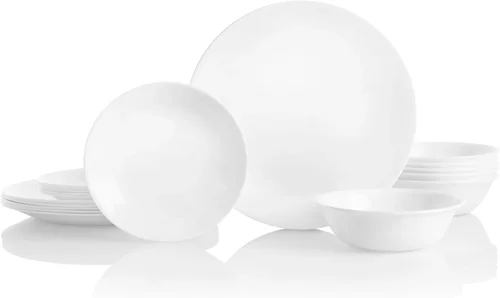
There’s a special joy in setting a beautiful table, whether for a quiet family dinner or a bustling celebration with friends. But that joy can quickly diminish when you discover a dreaded chip on your favorite plate or bowl. We’ve all been there: a clatter in the sink, a mishap unloading the dishwasher, or a plate accidentally bumped, and suddenly, your elegant dinnerware set is less than perfect. It’s frustrating, wasteful, and often means replacing an entire set when only a few pieces are damaged.
This comprehensive guide is born from a shared frustration with flimsy dinnerware and a passion for finding lasting quality. You’re not just looking for plates; you’re investing in everyday resilience, enduring style, and peace of mind. Our mission here is to cut through the marketing jargon and common misconceptions, providing you with expert insights that empower you to make an informed decision. By the end of this article, you’ll understand the science behind chip resistance, the nuances of different materials, and exactly what to look for to ensure your next dinnerware set stands the test of time.
The market for dinnerware is vast, ranging from delicate heirlooms to rugged outdoor sets. Within this spectrum lies a critical category: non-chip dinnerware. This guide focuses specifically on materials and manufacturing processes designed to resist the common wear and tear that leads to chips, cracks, and breakage. We’ll explore everything from premium bone china and durable porcelain to innovative materials like Vitrelle and high-quality melamine, ensuring you’re equipped with the knowledge to select dinnerware that not only looks good but also performs flawlessly day after day.

What to Look for When Buying Buying Guide
Choosing dinnerware that truly resists chipping and breakage requires a keen eye for detail and an understanding of key performance indicators. It’s not just about aesthetics; it’s about the fundamental properties of the material and how it’s engineered. Here’s what you should prioritize when making your selection.
1. Material Composition & Durability
The foundation of chip resistance lies squarely in the material from which the dinnerware is made. Different materials offer varying degrees of strength, weight, and thermal resistance. For instance, Bone China, known for its delicate appearance, is surprisingly one of the strongest and most chip-resistant materials due to the inclusion of bone ash, which enhances its vitrification and strength. Porcelain, fired at extremely high temperatures, becomes non-porous and very hard, making it highly durable and chip-resistant, especially around the edges. Vitrelle glass, a unique laminated glass developed by Corelle, is renowned for its extreme resistance to chips, breaks, and cracks because of its three-layer fused construction.
On the other hand, certain types of stoneware, while beautiful and rustic, can be more prone to chipping if not properly manufactured and glazed. Earthenware is generally the least chip-resistant. When evaluating material, look for descriptions like “fully vitrified,” “high-fired,” or specific proprietary materials known for strength. The denser and less porous the material, the less susceptible it generally is to absorbing moisture and cracking, which often precedes chipping. Always consider the material’s inherent properties as your first filter for durability.
2. Edge Design & Reinforcement
The edges of dinnerware pieces are the most vulnerable spots for chipping. A well-designed, chip-resistant plate or bowl will often feature specific design elements to fortify these areas. Look for dinnerware with rolled edges, slightly thicker rims, or a gently rounded profile rather than sharp, abrupt angles. Rolled edges distribute impact more effectively, reducing the concentration of stress at a single point. Some manufacturers use proprietary edge-strengthening techniques or specific glazes designed to create a harder, more resilient surface on these critical areas. While a flat, sharp edge might look sleek, it’s generally more susceptible to chipping from accidental bumps against countertops, dishwashers, or other dishes.
Consider how the pieces will interact in daily use. Will they stack neatly without edge-on-edge contact? Will they fit comfortably in your dishwasher without knocking against the racks? The practical design of the edges is just as important as the material composition in preventing chips over time. Always inspect the rim and base of a piece; these are the contact points that endure the most wear.
3. Glaze Quality & Application
The glaze isn’t just for aesthetics; it plays a crucial role in the dinnerware’s overall durability and chip resistance. A high-quality glaze creates a smooth, impervious surface that protects the underlying material from moisture absorption and physical abrasion. A poorly applied or low-quality glaze can be prone to crazing (fine cracks), scratching, or flaking, which compromises the integrity of the dinnerware and makes it more susceptible to chipping. Look for glazes that are described as “hard-fired,” “durable,” or “scratch-resistant.”
The firing temperature significantly impacts glaze quality. High-fired glazes bond more thoroughly with the ceramic body, creating a more robust and uniform surface. Also, consider if the glaze is lead-free and non-toxic, which is important for health and safety, especially when using the dinnerware for hot foods. A good glaze will not only enhance the dinnerware’s appearance but also seal its surface, making it easier to clean and more resistant to daily wear and tear.
4. Weight & Ergonomics
While not directly tied to chip resistance, the weight and ergonomics of dinnerware indirectly influence its longevity. Heavier plates and bowls, while sometimes perceived as higher quality, can be more cumbersome to handle. This increased weight can lead to more frequent drops or harder impacts when stacked or placed in the dishwasher, thus increasing the risk of chipping. Lighter dinnerware, particularly modern, high-strength materials like bone china or Corelle, is easier to manage, reducing the likelihood of accidental drops.
Ergonomics also includes how easily the pieces can be gripped and whether they balance well in hand. Bowls with comfortable rims and plates that are easy to pick up from a flat surface contribute to safer handling. When evaluating dinnerware, consider the weight that feels comfortable for you and your family, especially if you have children or elderly members in the household. A lighter, more manageable set can significantly reduce daily wear and tear from accidental bumps and fumbles.
5. Microwave, Dishwasher, & Oven Safety
Modern lifestyles demand dinnerware that can keep up with daily routines, and that often means compatibility with appliances. Dinnerware labeled “microwave safe” means it won’t overheat or degrade in a microwave. “Dishwasher safe” implies it can withstand the high temperatures, harsh detergents, and vigorous sprays of a dishwasher cycle without chipping, fading, or losing its glaze. “Oven safe” indicates it can handle elevated temperatures in a conventional oven, usually for warming food or baking.
For non-chip dinnerware, these safety ratings are crucial indicators of its resilience. Materials that can withstand thermal shock (sudden changes in temperature) without cracking or chipping are inherently more durable. Always look for explicit labeling or manufacturer statements regarding these compatibilities. Ignoring these ratings can quickly lead to damage, even in otherwise durable dinnerware. Ensure the pieces you choose match your intended use, as even a chip-resistant material can be compromised if used outside its recommended parameters.
6. Brand Reputation & Warranty
In the world of dinnerware, brand reputation often correlates with quality and reliability. Established brands that specialize in durable dinnerware have refined their manufacturing processes and material formulations over years, often offering superior chip resistance. Brands like Corelle, Lenox, Fiestaware, and various high-quality porcelain manufacturers have built a name for themselves in this specific niche. Researching a brand’s history and customer feedback can provide valuable insights into the real-world performance and longevity of their products.
Furthermore, a strong warranty is a clear sign of a manufacturer’s confidence in their product’s durability. Many top non-chip dinnerware brands offer specific warranties against chipping, breaking, or cracking, sometimes for several years. This not only provides peace of mind but also acts as a testament to the product’s quality. Always read the warranty details carefully to understand what is covered and for how long. A brand that stands behind its dinnerware with a generous warranty is a brand worth considering.
Different Types of Buying Guide
When you’re on the hunt for dinnerware that resists chips, it quickly becomes clear that not all materials are created equal. Each type offers a unique combination of strength, aesthetics, and functional benefits. Understanding these differences is key to making the best choice for your home and lifestyle. Below is a comparison of some of the most popular and chip-resistant dinnerware types available today, highlighting their key features and ideal uses.

While each of these materials offers excellent chip resistance, their suitability truly depends on your specific needs. Bone China and high-quality porcelain are fantastic for those who want elegance without sacrificing durability. Corelle is the go-to for families prioritizing extreme resilience and everyday practicality. Melamine, though not suitable for microwaves, shines in outdoor and casual settings where absolute shatter resistance is paramount. Consider your lifestyle, aesthetic preferences, and budget when weighing these options.
Common Buying Mistakes to Avoid
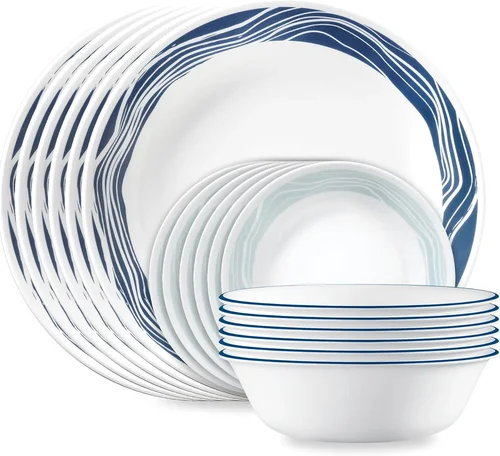
Navigating the world of dinnerware can sometimes feel like a minefield, especially when you’re specifically looking for durability. Many buyers fall into common traps that lead to disappointment and chipped plates. Being aware of these pitfalls can save you time, money, and the frustration of replacing your dinnerware prematurely.
❌ Mistake: Prioritizing Aesthetics Over Durability
Why it’s bad: It’s tempting to fall in love with a beautiful pattern or a unique shape. However, some stunning designs are made from less durable materials or feature delicate edges that are highly prone to chipping. Opting for looks alone can lead to a dinnerware set that quickly shows wear and tear, forcing you to replace it much sooner than anticipated.
What to do instead: Always verify the material and construction quality before letting aesthetics be the sole deciding factor. Look for evidence of chip resistance in the product description, such as material type (e.g., bone china, high-fired porcelain, Vitrelle) and edge design. Many durable sets also come in beautiful, timeless designs that marry both form and function. Seek out brands known for their resilience and then choose a style you love from their collection.
❌ Mistake: Ignoring Weight & Thickness
Why it’s bad: There’s a common misconception that thicker, heavier dinnerware is automatically more durable. While some robust ceramics are heavy, many lightweight materials like bone china and Corelle are incredibly strong and chip-resistant. Heavy plates can be cumbersome, increasing the chance of accidental drops or impacts, which paradoxically leads to more damage.
What to do instead: Understand that true chip resistance comes from material composition and firing processes, not just bulk. Prioritize materials known for their strength-to-weight ratio. If shopping in-store, pick up the pieces to gauge their comfort and manageability. For online purchases, check product specifications for material type and any mentions of weight, comparing it to other known durable options.
❌ Mistake: Neglecting Glaze Quality
Why it’s bad: The glaze is the first line of defense against scratches, stains, and even chips. A poor-quality glaze can craze (develop fine cracks), scratch easily, or be unevenly applied, leaving the underlying ceramic vulnerable. Once compromised, the dinnerware becomes porous and more susceptible to further damage and chipping.
What to do instead: Look for dinnerware with hard, smooth, and uniformly applied glazes. Product descriptions might mention “hard-fired glaze,” “scratch-resistant,” or “non-porous finish.” Avoid pieces with visible imperfections in the glaze. While not always easy to assess online, reputable brands will invest in superior glazing processes, which contributes significantly to the dinnerware’s overall longevity and chip resistance.
❌ Mistake: Forgetting About Appliance Compatibility
Why it’s bad: Buying dinnerware that isn’t microwave, dishwasher, or oven safe can severely limit its utility and even lead to damage. Using non-microwave-safe dishes in the microwave can cause them to overheat, crack, or damage your appliance. Handwashing delicate dishes that you intended for daily use can become a chore, and forcing them into a dishwasher can ruin their finish or structural integrity.
What to do instead: Always check for explicit “microwave safe,” “dishwasher safe,” and “oven safe” (if applicable) labels in the product description. For daily-use dinnerware, prioritize full compatibility with your kitchen appliances. If a set is described as “handwash only” or has specific care instructions, ensure you’re willing to commit to that level of maintenance before purchasing.
❌ Mistake: Overlooking Warranty & Brand Reputation
Why it’s bad: Assuming all dinnerware is created equal or that a low price always means a good deal can be costly in the long run. Unestablished brands or no-name products often lack the rigorous quality control and material science that durable dinnerware requires. Without a warranty, you have no recourse if your dinnerware chips or breaks prematurely, turning a “bargain” into a wasted investment.
What to do instead: Invest time in researching brands known for durability, such as Corelle, Lenox, Fiestaware, or reputable European porcelain makers. Look for clear warranty information, especially those specifically covering chips and breaks. A good warranty is a manufacturer’s vote of confidence in their product and offers you protection for your investment. User reviews can also provide real-world insights into a brand’s actual performance and customer service.
Budget Guidelines: How Much Should You Spend?
Budgeting for non-chip dinnerware can feel like a balancing act between initial cost and long-term value. While it’s true that quality often comes with a higher price tag, there are excellent durable options at almost every price point. The key is understanding what to expect from each tier and aligning it with your specific needs and priorities.
Entry-Level ($50 – $150 per 4-person set): In this range, you’ll primarily find durable everyday options. This tier is dominated by high-quality melamine and basic porcelain sets, as well as many Corelle sets. What to expect: Excellent chip and break resistance (especially from Corelle and melamine), practical designs, and good appliance compatibility. While designs might be simpler, the focus here is squarely on functionality and resilience for daily use. This is a great starting point for first-time homeowners, students, or families on a tighter budget who still demand durability.
Mid-Range ($150 – $300 per 4-person set): This is often the sweet spot for most buyers seeking a balance of durability, aesthetics, and value. Here, you’ll find a wider selection of high-quality porcelain, durable stoneware with enhanced chip resistance, and some entry-level bone china sets. What to expect: More refined designs, improved finish quality, and often a better feel in hand. You can expect very good chip resistance and full compatibility with microwaves and dishwashers. Brands in this category often offer clearer warranties and a greater variety of styles to suit different home decor.
Premium ($300 – $600 per 4-person set): For those who prioritize both exceptional durability and sophisticated design, the premium tier delivers. This range includes top-tier bone china, high-performance porcelain from renowned manufacturers, and sometimes designer stoneware sets known for their robustness. What to expect: Superior craftsmanship, elegant aesthetics, and often a lighter yet incredibly strong feel. These sets are built to last for decades, offering excellent chip and scratch resistance, often backed by extensive warranties. This tier is for buyers who value investment pieces that combine everyday practicality with a touch of luxury.
Luxury ($600+ per 4-person set): This category caters to enthusiasts and those seeking heirloom-quality dinnerware. It features the finest bone china, artisanal porcelain, and specialized materials from world-renowned brands. What to expect: Exquisite designs, often handcrafted elements, and unparalleled material quality. While not all luxury dinnerware focuses on extreme chip resistance (some prioritize delicate aesthetics), many top-tier brands still offer remarkable durability given their material and firing processes. This is an investment in artful dining, often reserved for formal occasions or collectors, but with careful selection, can also offer impressive longevity.
Expert Tips for Getting the Best Deal
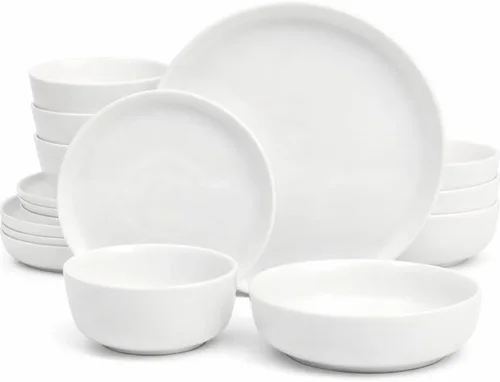
Finding the perfect non-chip dinnerware doesn’t just mean choosing the right material; it also involves smart shopping. Here are some expert tips to help you get the best value without compromising on quality or durability.
- Timing Your Purchase: Major holidays and sales events are your best friends. Look for deals during Black Friday, Cyber Monday, Amazon Prime Day, and post-holiday sales (e.g., after Christmas, Easter, or Mother’s Day). Department stores and online retailers often clear inventory during these times, offering significant discounts on dinnerware sets.
- Shop Around, Online and In-Store: Don’t limit yourself to a single retailer. Compare prices across multiple online stores (Amazon, Wayfair, Macy’s, etc.) and physical department stores. Sometimes, a specific store might have an exclusive deal or a better return policy. Visiting a physical store allows you to feel the weight and inspect the quality firsthand, which is invaluable.
- Sign Up for Newsletters: Many retailers offer a discount (e.g., 10-15% off your first purchase) if you sign up for their email newsletters. This can be a great way to save on a more expensive set. You’ll also be notified directly about upcoming sales and promotions.
- Consider Open Stock vs. Sets: While sets often offer a bundled discount, sometimes buying open stock (individual pieces) can be more cost-effective if you only need certain items or want to mix and match. It also allows you to replace individual chipped pieces more easily without buying a whole new set.
- Check for Refurbished or Open-Box Items: Reputable retailers sometimes sell “open-box” or “refurbished” dinnerware at a discount. These are often customer returns in perfect condition or items with minor packaging damage. Always verify the condition and return policy for such items.
- Utilize Price Tracking Tools: For online shopping, use browser extensions or websites that track price history. This helps you identify genuine sales versus inflated “discounts” and ensures you’re buying at an optimal price point.
- Read the Fine Print on Warranties: As mentioned, a good warranty is crucial. Ensure you understand what chips and breaks are covered, for how long, and what the claims process entails. A strong warranty can prevent future expenses.
- Look for Registry Discounts: If you’re setting up a wedding or housewarming registry, many stores offer a completion discount after the event, allowing you to buy remaining items at a reduced price. This is a fantastic way to acquire high-quality dinnerware.
Frequently Asked Questions
Q: What is the most chip-resistant material for dinnerware?
A: Corelle’s Vitrelle glass is widely considered among the most chip-resistant materials, known for its extreme durability and resistance to breaks, chips, and cracks due to its unique laminated glass construction. Bone china and high-quality, fully vitrified porcelain also offer excellent chip resistance, often surpassing stoneware and earthenware.
Q: Is bone china more durable than porcelain?
A: While both are highly durable, bone china is generally considered stronger and more chip-resistant than standard porcelain. The addition of bone ash gives bone china enhanced strength and translucency, allowing it to be made thinner and lighter while retaining superior resilience. High-quality porcelain is very durable, but bone china often has the edge in chip resistance.
Q: Can I put non-chip dinnerware in the microwave and dishwasher?
A: Most non-chip dinnerware made from materials like bone china, porcelain, and Corelle is designed to be microwave and dishwasher safe. However, always check the specific manufacturer’s instructions. Melamine dinnerware, while extremely durable and chip-resistant, is generally not microwave-safe due to concerns about chemicals leaching into food at high temperatures.
Q: How do I care for my non-chip dinnerware to maximize its lifespan?
A: Even durable dinnerware benefits from proper care. Avoid harsh abrasive cleaners or scouring pads that can scratch the glaze. Load dishes carefully in the dishwasher to prevent bumping. Store plates with felt protectors if stacking directly on top of each other, especially for higher-end sets. Promptly rinse off stubborn food residue to prevent staining.
Q: Does thicker dinnerware mean it’s more chip-resistant?
A: Not necessarily. While some sturdy ceramics are thick, true chip resistance comes from the material’s inherent strength, density, and firing process, not just its bulk. Thin, lightweight bone china or Vitrelle glass can be far more chip-resistant than a thick, poorly fired stoneware piece. Focus on material quality and manufacturing techniques over thickness alone.
Q: Are patterned dishes as durable as plain white ones?
A: The durability of patterned dishes primarily depends on the material, not the pattern itself. Most modern patterns are applied under a protective glaze or are part of the ceramic itself, making them just as durable as plain white dishes. However, patterns applied on top of the glaze (overglaze decoration) can be more susceptible to scratching or fading over time, though this rarely impacts chip resistance.
Q: What is the difference between stoneware and porcelain for durability?
A: Porcelain is generally fired at higher temperatures than stoneware, resulting in a fully vitrified, non-porous, and extremely hard material that is very chip-resistant. Stoneware, while durable and often chip-resistant if properly glazed and fired, can be more porous and thus slightly more prone to chipping or absorbing moisture if the glaze is compromised. For maximum chip resistance, porcelain usually has an advantage.
Our Final Recommendations
Choosing the right non-chip dinnerware involves balancing your lifestyle, aesthetic preferences, and budget. Here are our top recommendations, tailored for different priorities, to help you make an informed decision and enjoy your meals without the worry of chips and cracks.
- Best for Budget-Conscious Buyers: Corelle Vitrelle Dinnerware
Corelle stands out as the undisputed champion for those seeking extreme durability on a budget. Its Vitrelle glass is remarkably resistant to chips, breaks, and cracks, making it ideal for busy families or anyone who prioritizes longevity without a high price tag. It’s lightweight, stackable, and comes in a wide array of patterns, ensuring practicality meets style. - Best Overall Value: High-Quality Porcelain Dinnerware
For a perfect blend of elegance, versatility, and robust chip resistance at a reasonable price, high-quality porcelain is an excellent choice. Look for fully vitrified, high-fired porcelain from reputable brands. It offers a classic look that transitions seamlessly from everyday meals to more formal gatherings, is fully appliance safe, and provides impressive durability for years of use. - Best Premium Option: Bone China Dinnerware
If you desire a refined dining experience with superior strength, bone china is the way to go. Its delicate appearance belies incredible chip resistance and lightness. Brands like Lenox, Wedgwood, or Noritake offer exquisite bone china sets that elevate any meal while being surprisingly resilient for daily use. It’s an investment that pays off in timeless beauty and lasting durability. - Best for Families & High-Traffic Use: Corelle Vitrelle Dinnerware
Once again, Corelle earns its spot. When kids, pets, or frequent entertaining are part of your life, the sheer resilience of Corelle’s Vitrelle glass is unmatched. Its ability to shrug off accidental drops and bumps makes it a stress-free choice for any household where durability is paramount. - Best for Outdoor & Casual Dining: High-Quality Melamine
For patios, picnics, RVs, or any situation where shatterproof is non-negotiable, high-quality melamine is the answer. While not microwave safe, its virtually indestructible nature, combined with vibrant designs and lightweight portability, makes it perfect for casual, outdoor, and kid-friendly dining environments. Ensure you choose food-safe, BPA-free options.
Conclusion: Making the Right Choice
Selecting non-chip dinnerware doesn’t have to be a daunting task. By focusing on key factors like material composition, glaze quality, and brand reputation, you can confidently choose a set that truly withstands the rigors of daily life. Remember that the best dinnerware for you is one that aligns with your lifestyle, aesthetic preferences, and practical needs, all while offering the peace of mind that comes with lasting durability.
We’ve explored the nuances of bone china, the practicality of porcelain, the extreme resilience of Corelle, and the casual charm of melamine. Armed with this knowledge, you’re now equipped to avoid common buying mistakes, understand pricing tiers, and leverage expert shopping tips. Don’t settle for dinnerware that disappoints. Invest in quality pieces that will serve you well for years, making every meal a more enjoyable and worry-free experience.
Take your time, consider the recommendations, and prioritize what matters most to you. Your perfect non-chip dinnerware set is out there, ready to elevate your dining experience without the constant concern of chips and cracks. Happy shopping!