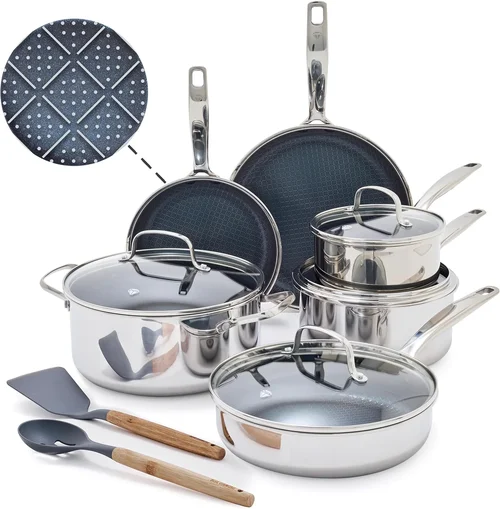
Embarking on the journey to a healthier kitchen often begins with a critical look at the tools we use daily. In recent years, the spotlight has intensely focused on cookware, particularly concerns surrounding Per- and Polyfluoroalkyl Substances, commonly known as PFAS. These “forever chemicals” have been a staple in traditional non-stick coatings, offering unparalleled convenience in the kitchen. However, mounting scientific evidence links PFAS exposure to a myriad of health issues, including certain cancers, thyroid disease, and developmental problems, prompting a significant shift in consumer awareness and demand for safer alternatives.
This comprehensive buying guide is your definitive resource for navigating the evolving landscape of PFAS-free cookware. We understand the confusion that can arise from marketing claims and the sheer variety of materials available. Our aim is to demystify the options, provide clear, actionable insights, and empower you to make informed decisions that prioritize both your health and your culinary enjoyment. You will learn about the different types of PFAS-free materials, what makes each unique, critical factors to consider before purchasing, and expert tips to ensure your investment serves you well for years to come.
The market for non-toxic cookware has exploded, offering innovative solutions and time-tested classics. From advanced ceramic coatings to robust cast iron, versatile stainless steel, and nimble carbon steel, there’s a PFAS-free option for every cooking style and preference. This guide cuts through the noise, offering a clear path to selecting cookware that not only performs exceptionally but also provides peace of mind, knowing your meals are prepared without harmful chemicals.

What to Look for When Buying Buying Guide
1. Material Composition & Safety Certifications
The absolute cornerstone of choosing PFAS-free cookware is understanding its fundamental material composition. Not all “non-stick” claims are equal, and some may still contain problematic chemicals if not explicitly certified otherwise. Prioritize materials known for their inherent safety and those backed by reputable third-party certifications. Look for statements like “PFOA-free,” “PTFE-free,” “PFAS-free,” or certifications from organizations that test for chemical safety. True PFAS-free options typically include materials such as ceramic coatings (ensure they are mineral-based and free from heavy metals), cast iron, stainless steel, carbon steel, and glass. Each material offers distinct advantages and safety profiles, which we will delve into further. Verifying these claims through brand websites or independent reviews is crucial to ensure you’re making a truly healthy choice.
2. Heat Distribution & Retention
Effective cooking hinges on how well your cookware handles heat. Optimal heat distribution means your food cooks evenly, preventing hot spots that can burn or undercook portions. Materials like cast iron and carbon steel are renowned for their exceptional heat retention, which is ideal for searing and slow cooking, maintaining consistent temperatures even when food is added. Stainless steel, especially multi-ply constructions with aluminum or copper cores, excels at quick, even heat distribution. Ceramic-coated pans typically heat up fast but may not retain heat as effectively as their metal counterparts. Consider your primary cooking tasks: do you need sustained heat for braising, or quick, responsive heat for delicate sauces? Matching the material’s thermal properties to your culinary needs will significantly impact your cooking results.
3. Durability & Lifespan
Cookware is an investment, and you want it to last. Durability varies significantly across PFAS-free materials. Stainless steel is incredibly robust, resistant to rust, scratching, and warping, often lasting decades with proper care. Cast iron and carbon steel are also workhorses, practically indestructible if maintained (seasoned) correctly, and can even improve with age. Ceramic coatings, while offering excellent initial non-stick properties, are generally less durable than metal options. Their non-stick surface can degrade or chip over time, especially with high heat or improper utensil use. Glass cookware is durable but susceptible to breakage from sudden temperature changes or impacts. Assess how often you cook, your cooking style, and your willingness to adhere to specific maintenance routines when considering durability.
4. Ease of Cleaning & Maintenance
After a delicious meal, no one wants a prolonged cleanup chore. This factor is a significant differentiator among PFAS-free options. Ceramic non-stick surfaces are often the easiest to clean, usually requiring just warm soapy water and a soft sponge. However, their non-stick properties can diminish if not cleaned gently and regularly. Stainless steel is relatively easy to clean and dishwasher safe, though stubborn food may require scrubbing or soaking. Cast iron and carbon steel require specific care: they are not dishwasher safe and need to be hand-washed, dried thoroughly, and often re-seasoned to maintain their non-stick properties and prevent rust. While more demanding, this maintenance contributes to their longevity. Glass cookware is generally easy to clean and dishwasher safe. Consider your lifestyle and how much effort you’re willing to put into post-cooking care.
5. Cooking Versatility & Compatibility
A good piece of cookware should be versatile enough to handle various cooking methods and compatible with your kitchen appliances. Check for oven-safe temperatures – many materials, like cast iron, stainless steel, and glass, can go from stovetop to oven, which is excellent for finishing dishes. Ceramic-coated pans have varying oven-safe limits, so always check manufacturer specifications. Induction compatibility is another key consideration if you have or plan to get an induction cooktop; not all materials work with induction. Cast iron, carbon steel, and magnetic stainless steel are induction-friendly, while aluminum without an induction base or some glass cookware are not. Also, think about specific tasks: will you be searing, simmering, baking, or frying? Each material has strengths that lend themselves to particular culinary applications.
6. Weight & Ergonomics
While often overlooked, the weight and feel of cookware significantly impact the user experience. Cast iron and some multi-ply stainless steel pieces can be quite heavy, which might be a challenge for some users, especially when handling hot food or washing. Carbon steel offers a good middle ground, being lighter than cast iron but still substantial. Ceramic-coated aluminum pans are typically lighter, making them easy to lift and maneuver. Ergonomics extends to handle design: look for handles that are comfortable to grip, stay cool on the stovetop (if possible), and are securely riveted or welded. Poorly designed handles can make even lightweight pans feel cumbersome. If you frequently lift or move heavy pots, testing the weight and handle comfort in person, if possible, is a wise step.
7. Brand Reputation & Support
In the burgeoning market of PFAS-free cookware, brand reputation plays a vital role. Established brands often have a track record of quality, transparent manufacturing processes, and reliable customer service. They are more likely to invest in rigorous testing and certification to ensure their products are genuinely free from harmful chemicals. Research brands that specialize in non-toxic cookware or have clearly articulated their commitment to eliminating PFAS. Look at online reviews not just for product performance but also for the brand’s responsiveness to issues and their warranty policies. A strong warranty indicates a manufacturer’s confidence in their product’s durability. Good customer support can be invaluable if you encounter any problems or have questions about care and use.
8. Budget & Long-Term Investment
The price of PFAS-free cookware can range widely, from budget-friendly options to premium sets. While it’s tempting to opt for the cheapest alternative, remember that quality often correlates with longevity and performance. An initial higher investment in durable materials like high-quality stainless steel, cast iron, or carbon steel can save you money in the long run by avoiding frequent replacements. Ceramic-coated cookware often falls in a mid-range price point, but its lifespan might be shorter than metal options. Consider your budget not just as a one-time purchase but as a long-term investment in your health and cooking enjoyment. Sometimes, buying a few high-quality, versatile pieces instead of a large, inexpensive set is a more practical and economical approach.
Different Types of Buying Guide

Common Buying Mistakes to Avoid
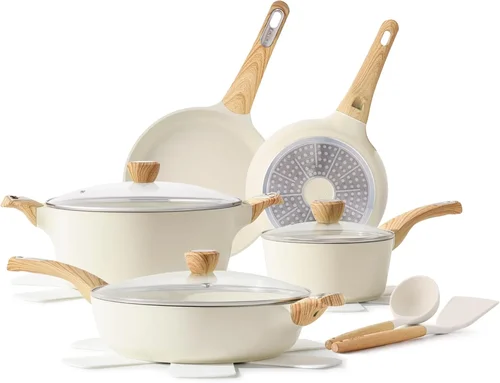
❌ Mistake: Believing all “non-stick” is PFAS-free.
Why it’s bad: Many manufacturers still produce traditional non-stick coatings that rely on PTFE (a type of PFAS). While they may claim to be PFOA-free (another PFAS that has been phased out in many regions), they can still contain other “forever chemicals.” This can lead to unknowingly bringing harmful substances into your kitchen.
What to do instead: Always look for explicit declarations of “PFAS-free,” “PFOA-free,” and “PTFE-free.” Research the specific coating material mentioned (e.g., ceramic based on natural minerals) and check for third-party certifications or detailed explanations from the brand.
❌ Mistake: Ignoring proper care instructions for specific materials.
Why it’s bad: Each PFAS-free material has unique care requirements. Forgetting to season cast iron or carbon steel, using metal utensils on ceramic, or washing delicate items in the dishwasher can quickly degrade performance and lifespan. This leads to frustration and premature replacement.
What to do instead: Read and follow the manufacturer’s care guidelines diligently. Understand the nuances of seasoning, appropriate cleaning agents, and compatible utensils for your chosen cookware. This will ensure longevity and optimal performance.
❌ Mistake: Prioritizing low price over quality and material safety.
Why it’s bad: Extremely cheap cookware, especially those claiming “non-stick” without clear material breakdowns, often sacrifices quality and transparency regarding chemical composition. Such items may wear out quickly or, worse, still contain hidden harmful substances.
What to do instead: View cookware as an investment in your health and cooking experience. Opt for reputable brands and materials with clear safety credentials, even if it means a slightly higher upfront cost. A quality piece will last longer and perform better.
❌ Mistake: Buying a complete set without considering individual needs.
Why it’s bad: A large cookware set might seem like a great deal, but you might end up with pieces you rarely use or that don’t suit your cooking style. This clutters your kitchen and can be an inefficient use of resources.
What to do instead: Assess your cooking habits. Do you primarily fry, simmer, or bake? Identify the 3-5 essential pieces you’ll use most often and invest in high-quality versions of those. You can always expand your collection later.
❌ Mistake: Not checking oven-safe temperatures or induction compatibility.
Why it’s bad: Cookware can be damaged, or even dangerous, if used in an oven above its specified temperature limit. Similarly, buying cookware that isn’t compatible with your induction stovetop means it’s unusable for that purpose, limiting its versatility.
What to do instead: Always verify the oven-safe temperature rating and induction compatibility (if applicable) before purchasing. This information is usually clearly stated on product descriptions and packaging. Look for cookware that matches your current and potential future kitchen setup.
❌ Mistake: Neglecting the weight and handle comfort of the cookware.
Why it’s bad: While not a safety issue, heavy cookware with uncomfortable handles can make cooking a chore, especially if you have mobility issues or cook for extended periods. This can lead to less enjoyable cooking experiences and potential strain.
What to do instead: If possible, try to handle the cookware in a store before buying. Lift it, feel the balance, and assess the handle design. If buying online, read reviews that specifically comment on weight and ergonomics to ensure it fits your comfort level.
❌ Mistake: Assuming “non-toxic” means it’s indestructible or scratch-proof.
Why it’s bad: Even the most durable PFAS-free materials, like seasoned cast iron, can be damaged if mishandled (e.g., severe rust, cracking from thermal shock). Ceramic coatings, while non-toxic, are known for being less scratch-resistant than traditional PTFE. Assuming invincibility leads to misuse and disappointment.
What to do instead: Understand that every material has its limitations. Be mindful of utensil choices (wood or silicone are generally safest), avoid abrasive cleaners, and follow recommended storage practices to protect your investment.
Budget Guidelines: How Much Should You Spend?
Investing in PFAS-free cookware is an investment in your health and your culinary journey. The cost can vary significantly based on material, brand, construction, and set size. Here’s a general breakdown to help you set realistic expectations for your budget:
Entry-Level ($50 – $200 for a starter set or key pieces)
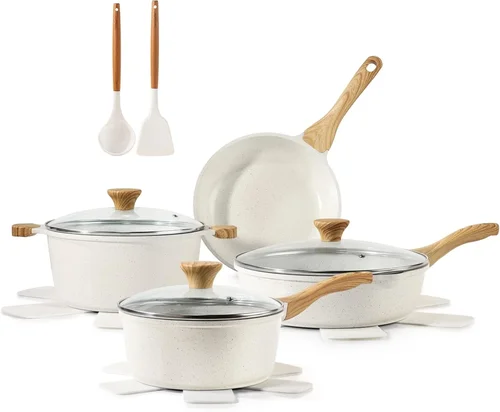
At this price point, you can find quality entry-level ceramic-coated pans, basic stainless steel pieces, or individual cast iron skillets. What to expect: These options are generally good for basic everyday cooking. Ceramic coatings will offer initial non-stick benefits but may have a shorter lifespan. Stainless steel might be lighter gauge, and cast iron will require diligent seasoning. This range is excellent for those new to PFAS-free cooking or looking to replace one or two essential items.
Mid-Range ($200 – $600 for a comprehensive set or a few premium individual pieces)
This is the sweet spot for most buyers, offering a balance of quality, durability, and performance. You’ll find well-constructed multi-ply stainless steel sets with excellent heat distribution, high-quality ceramic-coated sets from reputable brands, and a wider selection of carbon steel and enameled cast iron. What to expect: Better heat retention and distribution, more robust construction, and often longer warranties. These pieces are designed for regular use and can withstand the demands of a busy kitchen.
Premium ($600 – $1500 for a high-performance set or specialized pieces)
For enthusiasts and serious home cooks, this tier offers superior craftsmanship and materials. You’ll see high-end multi-clad stainless steel (e.g., 5-ply or 7-ply), premium enameled cast iron from renowned brands, and artisan carbon steel. What to expect: Exceptional heat control, professional-grade durability, often ergonomic designs, and aesthetically pleasing finishes. These pieces are built to last a lifetime and deliver consistent, high-level performance across a variety of cooking tasks.
Luxury ($1500+)
This segment caters to professionals, collectors, and those seeking the absolute pinnacle of cookware. It includes bespoke sets, specialized materials like copper core stainless steel, or full collections from iconic, heritage brands. What to expect: Unparalleled performance, exquisite design, often handcrafted elements, and heirloom quality. These are significant investments that promise decades of top-tier cooking experience and often become family treasures.
Expert Tips for Getting the Best Deal
1. When to Buy: Timing Your Purchase
Like many household items, cookware often goes on sale during specific times of the year. Keep an eye out during major holiday sales events such as Black Friday, Cyber Monday, Amazon Prime Day, and post-holiday clearances (January). Spring and fall also sometimes feature kitchenware sales. If you’re eyeing a particular brand, sign up for their email newsletters to be alerted to exclusive promotions and discounts. Being patient and timing your purchase can lead to significant savings on quality pieces.
2. Where to Buy: Online vs. In-Store
Online Retailers: Online stores typically offer the widest selection and often the most competitive prices, especially during sales. Check major retailers like Amazon, Williams Sonoma, Sur La Table, and directly from brand websites. Look for free shipping and easy return policies.
In-Store Shopping: For heavier items like cast iron, or if you prefer to feel the weight and ergonomics of a pan, visiting a physical store can be invaluable. Department stores and specialty kitchen stores allow you to inspect the quality firsthand. Sometimes, local stores may offer unique deals or discontinued items at a discount.
3. How to Spot Genuine Deals
Not every “sale” is a true bargain. Do some price comparison across different retailers before buying. Use browser extensions or websites that track price history to see if the current “sale price” is genuinely lower than usual. Be wary of inflated original prices to make a discount seem more significant. A true deal offers a substantial saving on a product that consistently holds its value.
4. Understand Warranty and Guarantee Policies
A strong warranty indicates a manufacturer’s confidence in their product. Lifetime warranties are common for high-quality stainless steel and cast iron, covering defects in materials and workmanship. Ceramic-coated pans typically have shorter warranties (1-5 years) due to the nature of the coating. Always read the fine print to understand what’s covered and for how long. A good warranty provides peace of mind and protection for your investment.
5. Check Return Policies Thoroughly
Especially when buying online, a flexible return policy is crucial. Ensure you can return items if they don’t meet your expectations for size, weight, or performance, even if you’ve used them once (check “used item” return clauses). Some retailers offer hassle-free returns within a certain period, which is invaluable for a product you need to try out in your own kitchen.
6. Don’t Overlook Open Box or Refurbished Items
Some reputable retailers and brands offer “open box” or “factory refurbished” cookware at a significant discount. These items are often customer returns or have minor cosmetic imperfections but are fully functional and come with a warranty. This can be an excellent way to acquire premium cookware without paying full price. Always ensure they come with a warranty and a clear return policy.
7. Invest in Key Pieces First, Expand Later
Instead of splurging on an entire set, consider buying 2-3 high-quality, versatile pieces (e.g., a good skillet, a saucepan, and a Dutch oven) that you’ll use frequently. This allows you to build a collection of durable, PFAS-free cookware without breaking the bank upfront. As your needs evolve and your budget allows, you can gradually add more specialized items.
8. Read Reviews Beyond the Initial Glow
While initial positive reviews are good, also seek out long-term user reviews. These often highlight how well the cookware holds up after months or years of use, revealing potential issues with durability, non-stick degradation, or maintenance challenges that aren’t apparent immediately after purchase. This provides a more realistic expectation of the product’s lifespan and true value.

Frequently Asked Questions
Q: What exactly are PFAS and why are they harmful?
A: PFAS stands for Per- and Polyfluoroalkyl Substances, a group of man-made chemicals used in various industrial and consumer products, including traditional non-stick cookware (like Teflon). They are often called “forever chemicals” because they break down very slowly in the environment and the human body. Research links PFAS exposure to serious health issues, including certain cancers (kidney, testicular), thyroid disease, immune system dysfunction, and developmental problems in children.
Q: Is “non-stick” always bad if I’m looking for PFAS-free?
A: Not necessarily. While traditional non-stick coatings with PTFE are a type of PFAS, many modern “non-stick” options are genuinely PFAS-free. These often use ceramic-based coatings derived from natural minerals. Always look for explicit labeling such as “PFAS-free,” “PFOA-free,” and “PTFE-free” to ensure safety. Natural non-stick properties can also be achieved with properly seasoned cast iron and carbon steel.
Q: What are the safest PFAS-free materials for cookware?
A: The safest and most popular PFAS-free materials include ceramic-coated aluminum (ensure it’s mineral-based and free of heavy metals), cast iron, carbon steel, stainless steel (especially multi-ply), and glass. Each has its own benefits and care requirements, but all are excellent choices for avoiding PFAS.
Q: How do I care for my PFAS-free cookware?
A: Care depends on the material. Ceramic coatings need gentle hand-washing with soft sponges and non-abrasive cleaners to preserve their non-stick properties. Cast iron and carbon steel require hand-washing, thorough drying, and regular seasoning to maintain their natural non-stick surface and prevent rust. Stainless steel is generally more forgiving and often dishwasher-safe, but persistent residue may require scrubbing or specialized cleaners.
Q: Does PFAS-free cookware mean it’s induction compatible?
A: Not automatically. Induction cooktops require cookware with a magnetic base. Cast iron, carbon steel, and most stainless steel (check for a magnetic base, especially for multi-ply) are induction compatible. Aluminum cookware, including many ceramic-coated pans, needs a specially bonded magnetic disc on the bottom to work on induction. Always check the product specifications for induction compatibility.
Q: Can I put PFAS-free cookware in the dishwasher?
A: It depends on the material. Stainless steel and glass cookware are typically dishwasher safe. However, cast iron and carbon steel should never go in the dishwasher, as it will strip their seasoning and cause rust. Ceramic-coated pans are often recommended for hand-washing to preserve their non-stick coating and extend their lifespan, even if some manufacturers claim they are dishwasher safe.
Q: How often should I replace PFAS-free cookware?
A: The lifespan varies greatly by material. High-quality stainless steel, cast iron, and carbon steel can last for decades, even generations, with proper care. Ceramic-coated cookware typically has a shorter lifespan, with the non-stick properties often diminishing after 1-5 years, depending on frequency of use and care. Monitor the condition of your cookware; if surfaces are heavily scratched, chipped, or food begins to stick excessively, it might be time for a replacement.
Q: Are ceramic coatings truly PFAS-free?
A: Reputable brands offering ceramic-coated cookware explicitly state they are PFAS-free, PFOA-free, and PTFE-free. These coatings are typically made from inorganic materials, often silicon dioxide (sand), and are cured at high temperatures. Always verify the brand’s claims and look for transparency in their material sourcing and safety testing to ensure you’re choosing a genuinely non-toxic option.
Q: What is the best PFAS-free non-stick alternative for everyday use?
A: For everyday non-stick performance without PFAS, ceramic-coated pans are a popular choice due to their initial slickness and ease of cleaning. However, for a durable, long-lasting natural non-stick surface that improves with age, seasoned carbon steel or cast iron are excellent alternatives, though they require specific care routines.
Q: Are there any disadvantages to PFAS-free cookware?
A: Yes, there can be. Ceramic coatings may not be as durable as traditional PTFE and can lose their non-stick properties over time. Cast iron and carbon steel are heavy and require specific seasoning and care. Stainless steel can stick if not preheated properly or if insufficient oil is used. Each material involves a trade-off, but the health benefits of avoiding PFAS generally outweigh these considerations.
Our Final Recommendations
Choosing the best PFAS-free cookware is a personal decision, shaped by your cooking habits, budget, and priorities. Here are our recommendations to help guide your choice:
Best for Budget-Conscious Buyers:
For those looking for affordable entry into PFAS-free cooking, a good quality individual cast iron skillet or a basic set of stainless steel cookware offers excellent value. Cast iron is incredibly durable and lasts generations, while stainless steel is versatile and robust. Look for brands known for sturdy construction and positive user feedback at accessible price points.
Best Overall Value:
The sweet spot for most home cooks lies in a combination of materials. A multi-ply stainless steel set for its versatility and durability, complemented by a well-regarded ceramic-coated non-stick pan for delicate foods, provides the best overall value. This combination covers a wide range of cooking tasks efficiently and safely, offering long-term reliability and ease of use.
Best Premium Option:
If you’re ready to invest in heirloom-quality pieces, high-end multi-clad stainless steel (e.g., 5-ply or more) or premium enameled cast iron are unparalleled. These offer superior heat management, exceptional durability, and often come with lifetime warranties. Brands like All-Clad (stainless) or Le Creuset/Staub (enameled cast iron) represent the pinnacle of performance and craftsmanship.
Best for Beginners:
Beginners will appreciate the ease of use of a quality ceramic-coated non-stick pan for everyday frying and sautéing. It offers excellent release without the steep learning curve of seasoning. Alongside this, a basic stainless steel saucepan will be invaluable for boiling and simmering, providing a solid foundation for developing cooking skills.
Best for Advanced Users:
Experienced cooks who appreciate responsive cookware and are comfortable with specific care routines will love carbon steel. It heats up quickly, is lighter than cast iron, and develops an incredible natural non-stick surface with seasoning. Pairing a carbon steel wok or skillet with high-performance multi-ply stainless steel for other tasks creates a professional-grade kitchen arsenal.
Conclusion: Making the Right Choice
Navigating the world of PFAS-free cookware might seem daunting at first, but with the insights provided in this guide, you are now equipped to make confident, informed decisions. We’ve explored the critical factors, compared material types, highlighted common pitfalls, and offered expert advice to ensure your kitchen is both safe and functional. The journey to a healthier lifestyle truly does begin at home, and the cookware you choose plays a significant role in that commitment.
Remember to prioritize your individual cooking needs, your comfort with maintenance, and your budget. Whether you opt for the robust reliability of cast iron, the versatile elegance of stainless steel, the lightweight convenience of ceramic, or the responsive precision of carbon steel, know that each choice brings you closer to a safer and more enjoyable culinary experience. By understanding the nuances of each material and making conscious choices, you’re not just buying cookware; you’re investing in your health and the well-being of your loved ones.
Take this guide as your trusted companion. Research brands, read reviews, and don’t hesitate to ask questions. Your kitchen should be a sanctuary where delicious, wholesome meals are created without compromise. Embrace the world of PFAS-free cookware with confidence, and enjoy the peace of mind that comes with cooking safely and sustainably.