Are you dreaming of a kitchen makeover but worried about the costs involved in replacing cabinets? You’re not alone.
Kitchen cabinets are a major focal point in any home, and their replacement can seem daunting. The good news is, understanding how much it costs to replace cabinets doesn’t have to be a mystery. You’ll discover the factors that influence cabinet costs and find out what you can expect to pay for your kitchen transformation.
Imagine walking into your kitchen and feeling a sense of pride every time you see your new, stylish cabinets. Let’s delve into the details, so you can make informed decisions and turn your kitchen into a space you love.
Factors Influencing Cabinet Replacement Cost
The material of the cabinets affects the price. Wood is popular but expensive. Laminate is cheaper but less durable. Metal is strong but costly. Each material has pros and cons.
Larger kitchens need more cabinets. This increases the cost. A complex layout also adds to the price. A simple design is cheaper. Choose wisely for your kitchen.
Custom cabinets fit perfectly but cost more. Stock cabinets are cheaper and ready-made. They may not fit as well. Custom options offer more choices.
Easy installations cost less. Difficult installations increase labor costs. Professional help may be needed. This raises the total price. Consider the complexity before starting.
Credit: homecarpetone.com
Material Options And Their Costs
Choosing the right material impacts kitchen cabinet replacement costs. Wood offers durability but can be expensive. Laminate is budget-friendly, yet less long-lasting. Acrylic provides a modern look at a moderate price. Consider personal style and budget to find the best fit for your kitchen upgrade.
Wood
Wood cabinets are popular. They give a classic look. Costs vary by type. Oak and pine are cheaper. Maple and cherry cost more. Expect to pay $100 to $300 per linear foot. Installation costs add to the price. Wood needs care to stay nice.
Laminate
Laminate is budget-friendly. It’s durable and easy to clean. Prices range from $50 to $150 per linear foot. Many colors and styles are available. It’s a good choice for modern kitchens. Laminate is less costly than wood.
Metal
Metal cabinets are strong. They offer a sleek design. Stainless steel is popular. Costs start at $200 per linear foot. Metal is more expensive than laminate. It’s easy to clean and lasts long. Metal gives a modern look.
Glass
Glass cabinets add elegance. They can be costly. Prices range from $150 to $500 per linear foot. Glass needs careful cleaning. It’s beautiful but fragile. Adds a touch of luxury to any kitchen.
Stock Cabinets: Budget-friendly Choices
Stock cabinetsare the cheapest option for kitchen upgrades. They come in standard sizes. This means less money spent. They are ready-made. You can find them in many stores. Custom options are limited. You might not get the exact style you want. Quality varies. Some may not last long. Measure your space well. This helps avoid fitting problems. Stock cabinets save time. No waiting for long productions. They often look nice. Choose carefully for the best fit.
Prices for stock cabinetsvary. Expect to pay $60 to $200 per linear foot. This is cheaper than custom cabinets. Prices depend on materials and brands. Cheaper ones may use particleboard. More expensive ones often use solid wood. Check sales and discounts. You might find better deals. Labor costs are extra. Installing cabinets can add to the total price. Plan your budget well. This helps avoid surprise costs.

Credit: homeguide.com
Semi-custom Cabinets: Mid-range Solutions
Semi-custom cabinets offer a budget-friendly way to replace kitchen cabinets. They balance quality and cost, fitting most budgets. Explore mid-range options for stylish and functional kitchen updates.
Customization Options
Semi-custom cabinets offer some customization. You can choose colors, finishes, and styles. Adjustthe size to fit your space. Add special features like soft-closedoors. These cabinets are partiallymade and then tailored to your needs. They are a blend of pre-madeand custom options. This gives a balance of style and function.
Cost Considerations
Semi-custom cabinets cost morethan stock ones. Expect to pay $150 to $650 per linear foot. This price includes materials and labor. Installation may cost extra. Some factors affect the total cost. These include chosen featuresand finishes. Location and cabinet size also matter. Budget wisely for these cabinets.
Custom Cabinets: Premium Investment
Custom cabinetsoffer great design flexibility. You can choose any style or color. They fit perfectly in your kitchen. These cabinets are made to your needs. This is not possible with stock cabinets. Custom cabinets let you use every inch of space. You get a unique kitchen look.
But, custom cabinets can be costly. The price rangecan vary a lot. It depends on materials and labor. For custom cabinets, expect to pay more than stock ones. Usually, they cost between $500 to $1,200 per linear foot. This is a big investment but can add value to your home.
Labor And Installation Costs
Hiring a professionalfor cabinet installation can be expensive. Labor costs add up quickly. Expect to pay $50 to $150 per hour. The total cost depends on the size of your kitchen. Larger kitchens take more time and cost more. Always get a quote before work begins. This helps avoid surprises.
Doing it yourself can save money. You will need toolsand some skills. Cabinets can be heavy, so get help lifting them. Follow instructions carefully to avoid mistakes. Mistakes can lead to extra costs. Watch videos to learn more about installation. This helps make the process easier.
Additional Costs To Consider
Hardware and Accessoriescan add extra costs to your cabinet project. New knobs and handles make cabinets look nice. Choose from metal, wood, or plastic materials. Prices vary by style and quality. Soft-close hinges are popular but cost more. Organizers and pull-out shelves help keep things tidy. They can increase the overall budget. Measuring correctly helps avoid buying extras.
Permits and Feesmight be necessary for big kitchen changes. Local rules differ, so check first. Permits ensure safety and meet local codes. Fees depend on your city’s regulations. It is wise to include these in your budget plan. Ignoring permits can lead to fines later. Always plan for these potential costs.
Budgeting Tips For Cabinet Replacement
Replacing cabinets can be costly. Planning is key to managing expenses. Begin with a clear idea of your needs. Decide on the type of cabinets you want. Consider materials and designs. Write down your choices. Estimate costs for each option. Compare prices from different stores. Look for deals and discounts. Stick to your budget plan. Avoid impulse buys. This keeps spending in check.
DIY installation can save money. Learn the basics online. Borrow tools from friends. Choose ready-to-assemble cabinets. These are cheaper. Use existing cabinet frames if possible. Paint old cabinets for a fresh look. Choose simple designs. Fancy styles cost more. Shop during sales events. Bulk buying can reduce costs. Ask for price matches at stores.
How To Choose The Right Contractor
Finding a good contractor is important. Start with online reviews. Look for contractors with high ratings. Ask friends and family for recommendations. Check if the contractor is licensed and insured. This keeps you safe. Visit their website. See their past work. This tells you about their skills.
Ask the contractor some questions. How long have they been working? This shows their experience. Will they give a written estimate? This helps you plan. What is their timeline? You need to know when they finish. Can they provide references? Talk to past clients. Check their work quality.
Comparing Costs And Making Decisions
Getting quotes from different cabinet companies is smart. Prices can vary a lot. Some companies might charge more for fancy designs. Others might offer discounts for simple styles. Look at the materials they use. Wood is usually more expensive than laminate. Check the installation fees. Some companies include it in the price. Others might charge extra. Read reviews about their service and quality. Compare at least three quotes. This helps find the best deal.
After comparing, decide which company is best. Think about your budget. Don’t spend more than you planned. Consider the quality of the cabinets. Cheap ones might not last long. Ask friends for advice. They might know a good company. Look at warranties offered. Some companies give longer warranties. This means they trust their product. Make sure you understand the contract. Read it carefully before signing.

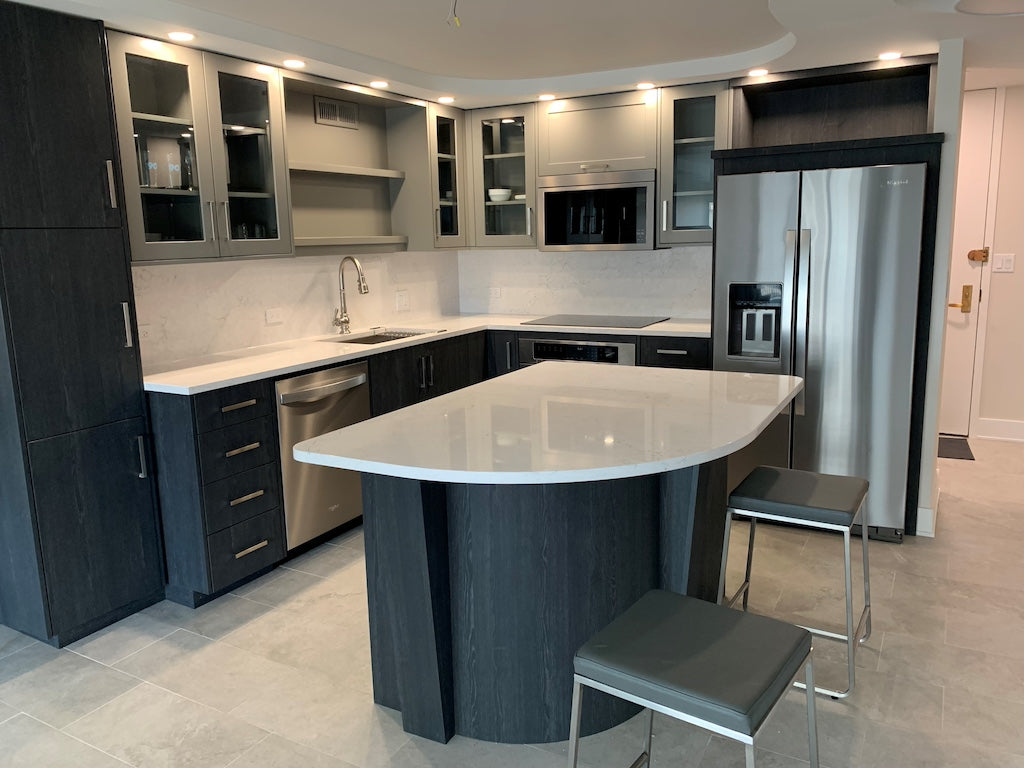
Credit: northstarkitchenandbath.com
Frequently Asked Questions
How Much Does Kitchen Cabinet Replacement Cost?
The cost to replace kitchen cabinets varies widely. Prices range from $3,000 to $12,000 depending on materials and design. Custom cabinets are more expensive. Factors such as labor, size, and installation complexity also affect the total cost. For a precise quote, consult local contractors or cabinet retailers.
What Factors Affect Cabinet Replacement Costs?
Several factors influence cabinet replacement costs. Material choice, design complexity, and cabinet size are key. Labor costs and installation fees also contribute significantly. Custom designs and finishes increase expenses. Location and contractor rates further impact pricing. It’s crucial to get multiple quotes for an accurate estimate.
Is Diy Cabinet Replacement Cheaper?
DIY cabinet replacement can reduce costs. However, it requires skill and proper tools. Mistakes can lead to costly repairs. Professional installation ensures quality and longevity. Weigh the savings against potential risks before deciding. For complex projects, hiring a professional is often the best choice.
How Long Does Cabinet Replacement Take?
Cabinet replacement duration varies. Typically, it takes one to three weeks from start to finish. Factors include project complexity, material availability, and contractor schedules. Custom designs may require more time. Discuss timelines with your contractor for a clear understanding of the process and expectations.
Conclusion
Replacing kitchen cabinets involves careful planning and budgeting. Costs vary widely based on materials and labor. Choose durable materials that fit your style and budget. Consider the layout and functionality for long-term satisfaction. DIY can save money but requires skill and time.
Hiring professionals ensures quality but costs more. Research options and compare prices for the best deals. Plan ahead to avoid unexpected expenses. A well-planned cabinet replacement enhances your kitchen’s look and function. Make informed choices for a kitchen you’ll love.