If you want clean, fresh-tasting water straight from your kitchen faucet, changing the filter regularly is key. But if you’re not sure how to do it, don’t worry — you’re in the right place.
This simple task can save you money and keep your water safe for you and your family. In this guide, you’ll learn exactly how to change the filter on your kitchen faucet, step by step. By the end, you’ll feel confident and ready to improve your water quality with ease.
Keep reading to discover how quick and hassle-free this can be!
Identify Your Filter Type
Different kitchen faucets use different types of filters. Knowing your filter type helps you buy the right replacement. Some common filters are:
- Carbon filters:Remove bad taste and odors.
- Reverse osmosis filters:Remove many impurities and minerals.
- Ceramic filters:Block small particles and bacteria.
- Screen filters:Catch dirt and debris.
Look under your sink or check the faucet manual. The filter might be inside the faucet or in a separate housing. Sometimes the filter is a cartridge that you pull out. Other times it is a small replaceable part.
Knowing the filter type saves time and avoids buying the wrong part. It also helps in following the right steps to change it safely.

Credit: www.amazon.com
Gather Necessary Tools
Gathering the right toolsmakes the filter change easier and faster. Prepare a adjustable wrenchto loosen the faucet parts. A screwdriverhelps remove any screws holding the filter in place. Have a bucketor small bowl ready to catch water drips. Keep a clean clothnearby to wipe any spills. Make sure the replacement filterfits your faucet model.
Check these items before starting:
- Adjustable wrench
- Screwdriver (flat or Phillips)
- Replacement filter cartridge
- Bucket or bowl
- Clean cloth or towel
Having all tools ready saves time and avoids frustration.
Turn Off Water Supply
Before changing the filter, turn off the water supplyto avoid leaks. Look under the sink for the shutoff valves. These valves control water flow to the faucet.
- Turn the valves clockwise to close them.
- Check that water is off by opening the faucet.
- If water still flows, ensure valves are fully closed.
Turning off water protects your kitchen and keeps you safe. It stops water from spraying while you work on the filter.
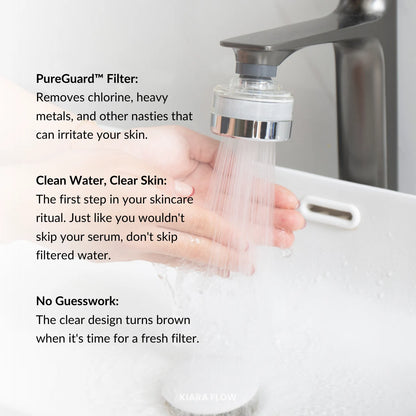
Credit: kiaraflow.com
Remove Old Filter
Turn off the water supply under the sink to avoid leaks. Close the faucet to stop water flow. Use a cloth to protect the faucet from scratches. Grip the filter housing firmly and twist it counterclockwise to loosen. If it is tight, use pliers gently to avoid damage. Remove the old filter carefully and dispose of it properly. Clean the inside of the filter housing to remove dirt and debris. Check the O-ring for damage; replace if needed to prevent leaks. Keep the old filter for reference to buy the correct new one.
Install New Filter
Turn off the water supply before starting the filter change. This prevents leaks and mess. Unscrew the old filter carefully. Keep a towel nearby to catch any drips. Remove the filter and clean the area around the filter housing.
Take the new filter out of its packaging. Check that it matches the old one in size and type. Insert the new filter into the housing. Make sure it fits snugly without forcing it.
Screw the filter housing back in place. Tighten it just enough to prevent leaks but not too tight. Turn on the water supply slowly and check for leaks. Run water through the new filter for a few minutes to clear any air or loose particles.

Credit: www.reddit.com
Frequently Asked Questions
How Often Should I Change The Filter On My Kitchen Faucet?
Change the filter every 3 to 6 months to keep water clean and tasting fresh.
What Tools Do I Need To Change A Kitchen Faucet Filter?
Usually, just your hands. Sometimes, a wrench or screwdriver helps with tight parts.
How Do I Know If My Kitchen Faucet Filter Needs Replacement?
Look for slow water flow, strange taste, or cloudy water as signs to replace.
Conclusion
Changing the filter on your kitchen faucet keeps your water clean and fresh. It only takes a few simple steps. Regular filter changes help your faucet work well longer. Clean filters also improve water taste and safety. Remember to check the filter type before buying a replacement.
Follow the guide carefully for easy and quick changes. Keep your kitchen water healthy with timely filter swaps. You will enjoy clear water every day without hassle. Small effort, big benefits!