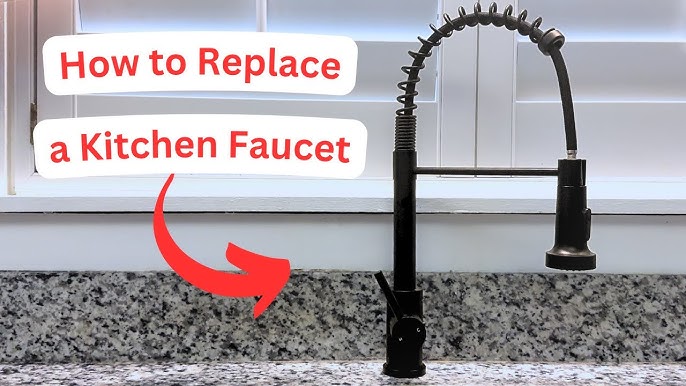
Are you tired of that old, leaky kitchen faucet? Changing it out might seem tricky, but it’s easier than you think.
With just a few simple tools and clear steps, you can give your kitchen a fresh, new look—and save money by doing it yourself. Imagine turning on your sink and enjoying a smooth, drip-free flow every time. Ready to make your kitchen better and more functional?
Keep reading, and I’ll guide you through the exact process to change out your kitchen sink faucet quickly and confidently.

Credit: www.youtube.com
Tools And Materials Needed
Changing a kitchen sink faucet needs a few important tools and materials. Having the right gear makes the job easier and faster.
- Adjustable wrench:For loosening and tightening nuts.
- Basin wrench:Helps reach nuts under the sink.
- Screwdriver:Usually a flathead or Phillips for screws.
- Plumber’s putty or silicone sealant:To seal the faucet base.
- New faucet:Make sure it fits your sink type.
- Bucket and towels:To catch water and clean spills.
- Supply lines:May need new ones if old are worn.
Having these ready before starting saves time and stress.

Credit: www.youtube.com
Prepare The Workspace
Locate the shut-off valves under the sink. Turn both valves clockwise to close water flow. Test by turning on the faucet to ensure water stops. If no valves are under the sink, turn off the main water supply.
Clear the area around the sink for easy access. Remove any items from the countertop and under the sink. Lay down a towel or bucket to catch water drips. This keeps the workspace clean and dry.
Remove The Old Faucet
Turn off the water supply before loosening the faucet connections. Carefully remove the old faucet from the sink to avoid damage. Check for any leftover debris or sealant and clean the area well.
Disconnect Water Lines
Turn off the water supply under the sink. Use a wrench to loosen the water supply lines. Carefully pull them away from the faucet. Keep a small bowl handy to catch any water drips.Unscrew Mounting Nuts
Locate the mounting nuts holding the faucet in place. Use a basin wrench to unscrew the nuts. They might be tight, so apply steady pressure. Store the nuts in a safe place.Lift Out Faucet
Gently lift the faucet from the sink. Check for any residue or sealant. Clean the area before installing a new faucet. The space should be clear and tidy. `Clean The Sink Surface
Start by clearing the sink surface completely. Remove any dishes, soap, or sponges. Use a mild cleaner and a soft cloth to wipe the area. Make sure the surface is dry before working. This helps prevent slipping and keeps tools steady. Clean surfaces also stop dirt from falling into plumbing parts. A clean sink surface makes the faucet change safer and easier. Double-check the area for any water spots or grime and wipe them away. A clean, dry area is the best place to work on your faucet.
Install The New Faucet
Place the faucetinto the sink holes carefully. Make sure it fits snugly and straight. Use the mounting hardwareunder the sink to secure it tightly. Tighten the nuts with a wrench but avoid overtightening to prevent damage.
Next, connect the water supply linesto the faucet. Match the hot and cold lines correctly. Hand-tighten first, then use a wrench for a secure fit. Check for any leaks by turning on the water supply slowly.
- Position faucet securely in sink holes
- Tighten mounting nuts without overdoing it
- Attach hot and cold water lines correctly
- Hand-tighten, then finish with wrench
- Turn water supply on slowly to test
Test The Faucet
Turn on the main water supplyor the shutoff valves under the sink. Slowly open the faucet handles to let water flow. This helps remove air from the pipes and fills the faucet with water.
Check all connections and jointsfor leaks. Look carefully under the sink and around the faucet base. Use a dry cloth to spot any water drops or moisture.
- Tighten any loose nuts or fittings if leaks appear.
- Do not overtighten; this could cause damage.
- Run both hot and cold water to test temperature and flow.
Let the water run for a few minutes to ensure the faucet works properly and no leaks remain.
Troubleshooting Common Issues
Leaksoften come from loose connections or worn-out washers. Tighten all nuts carefully. Replace washers if water still drips.
Low water pressuremay happen due to clogged aerators or valves. Clean the aerator by soaking it in vinegar. Check valves for debris and clear them.
Dripping faucetcan mean a damaged cartridge or valve seat. Remove and inspect these parts. Replace any damaged pieces to stop the drip.
Handle issueslike stiffness or looseness might be caused by worn-out O-rings or screws. Lubricate or tighten these parts to fix the handle movement.
Water temperature problemshappen when hot and cold lines mix incorrectly. Confirm the faucet lines match the correct water supply. Swap lines if needed.
- Check all connections for leaks.
- Clean aerators regularly.
- Replace worn washers and cartridges.
- Lubricate moving parts.
- Match hot and cold water lines correctly.

Credit: www.youtube.com
Frequently Asked Questions
How Do I Turn Off Water Before Changing Faucet?
Locate the shutoff valves under the sink. Turn them clockwise to stop water flow. If no valves exist, shut off the main water supply to your home before proceeding.
What Tools Are Needed To Replace A Kitchen Faucet?
You’ll need an adjustable wrench, basin wrench, plumber’s tape, bucket, and a screwdriver. These tools help remove the old faucet and install the new one securely.
How Long Does It Take To Replace A Kitchen Faucet?
Replacing a kitchen faucet typically takes 1 to 2 hours. Time depends on faucet type and your experience level. Preparation and careful installation ensure a smooth process.
Can I Replace A Faucet Without A Plumber?
Yes, many homeowners can replace faucets themselves. Follow instructions carefully and use proper tools. If unsure, consult a professional to avoid leaks or damage.
Conclusion
Changing out a kitchen sink faucet can seem tough at first. Step-by-step work makes it easier and faster. Make sure to turn off the water before starting. Use the right tools for a smooth job. Take your time and check for leaks after installation.
A new faucet can improve your kitchen’s look and function. Everyone can do this with a little patience and care. Keep these tips in mind for a successful faucet change. Your kitchen will thank you for the upgrade.