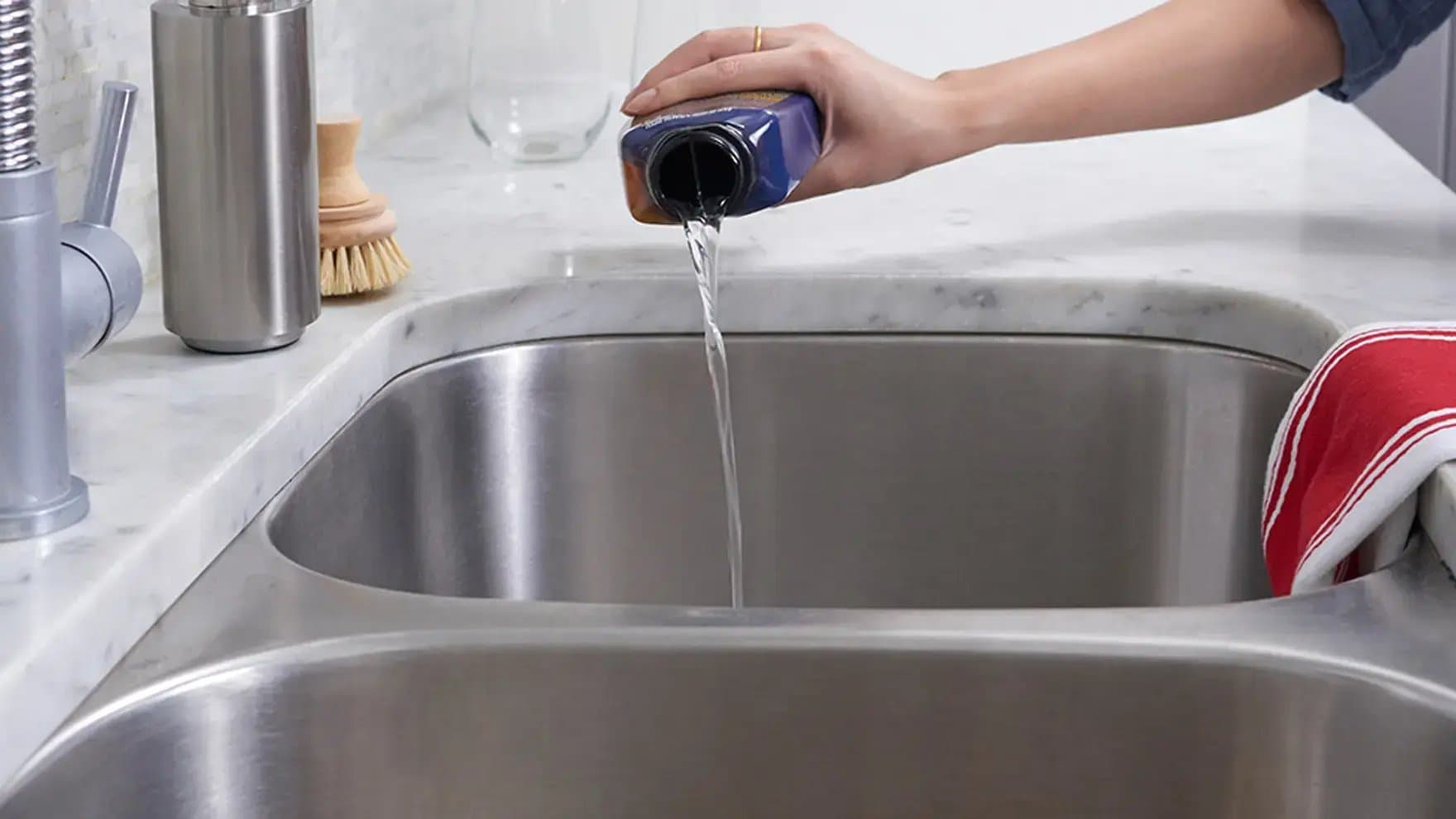
Imagine you’re in the middle of preparing dinner, and suddenly, your kitchen sink refuses to drain. You can almost hear your plans grinding to a halt as the water stubbornly pools.
A clogged sink is more than just an inconvenience—it’s a disruption to your daily life. But what if you could tackle this annoying problem quickly and efficiently, without calling in a plumber or spending a small fortune on harsh chemicals?
In this guide, you’ll discover simple and effective methods to clear a clogged sink in your kitchen. You’ll learn practical tips that are easy to follow, and best of all, you probably already have the tools you need right at home. So whether you’re dealing with stubborn food scraps or a mysterious blockage, you’ll gain the confidence to handle it on your own. Stick around, because by the end of this article, you’ll be ready to say goodbye to sink clogs forever. Let’s reclaim your kitchen sink and get back to what you enjoy—cooking delicious meals without interruption.
Credit: www.cmu.fr
Common Causes Of Clogged Sinks
Grease buildup, food particles, and soap residue often lead to clogged kitchen sinks. These blockages slow water drainage, causing inconvenience. Regular cleaning helps prevent these common issues.
Food Particles
Food bits fall down the drain. They stick together and block pipes. Rice, pasta, and bread are common culprits. These foods swell with water. They expand and cause clogs. Small pieces like coffee grounds also block sinks. They pile up over time.
Grease And Oil Buildup
Grease and oil create sticky messes. They coat pipes and trap debris. Cooking fats like butter and lard cause problems. Liquid oils harden when cool. They form clumps inside the drain. This buildup leads to blockages.
Foreign Objects
Items accidentally fall into the sink. Small utensils or bottle caps can block pipes. Hair ties and paper clips are common offenders. These objects stop water flow. They cause serious clogs in kitchen sinks.
Essential Tools And Supplies
Plungers and plumber’s snakes are must-have tools to clear a clogged kitchen sink. Baking soda and vinegar provide a natural solution to help loosen stubborn clogs. Keep a bucket and rubber gloves handy for a cleaner, safer process.
Plunger
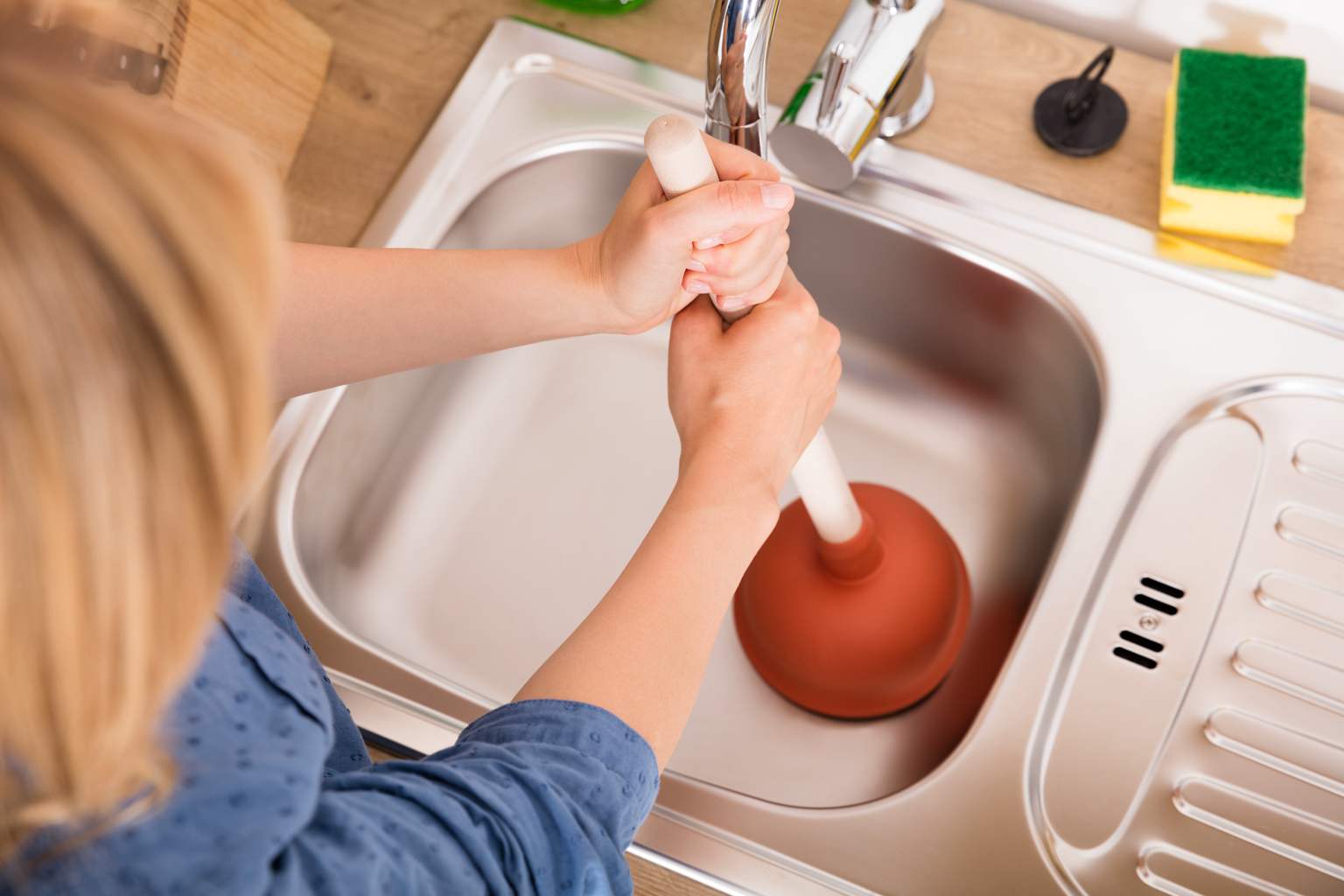
A plungeris a must-have for every kitchen. It helps dislodge stuck food and debris. Make sure it fits your sink drain well. Use firm, even pressure for best results. Always keep one handy in your kitchen.
Plumber’s Snake
The plumber’s snakeis a flexible tool. It reaches deep into the pipes. Perfect for stubborn clogs. Rotate it gently to catch debris. It’s a handy tool for tricky clogs.
Baking Soda And Vinegar
Baking soda and vinegarare natural cleaning agents. They help break down clogs. Pour baking soda into the drain first. Follow with vinegar. The fizzing reaction clears debris. It’s a simple and eco-friendly method.
Rubber Gloves
Rubber glovesprotect your hands. They keep you safe from dirt and germs. Use them while handling plumbing tools. They provide a better grip, too. Always wear them for safety.
Immediate Steps To Take
Begin by removing any visible debris from the sink. Use a plunger to create suction and loosen the clog. Pour boiling water down the drain to further clear any remaining blockages.
Remove Visible Debris
Check the sink for any visible debris. Use gloves to remove bits of food. Look for any small items blocking the drain. A simple hand grab can help. Be careful while removing sharp objects. Rinse the area with clean water.
Boiling Water Flush
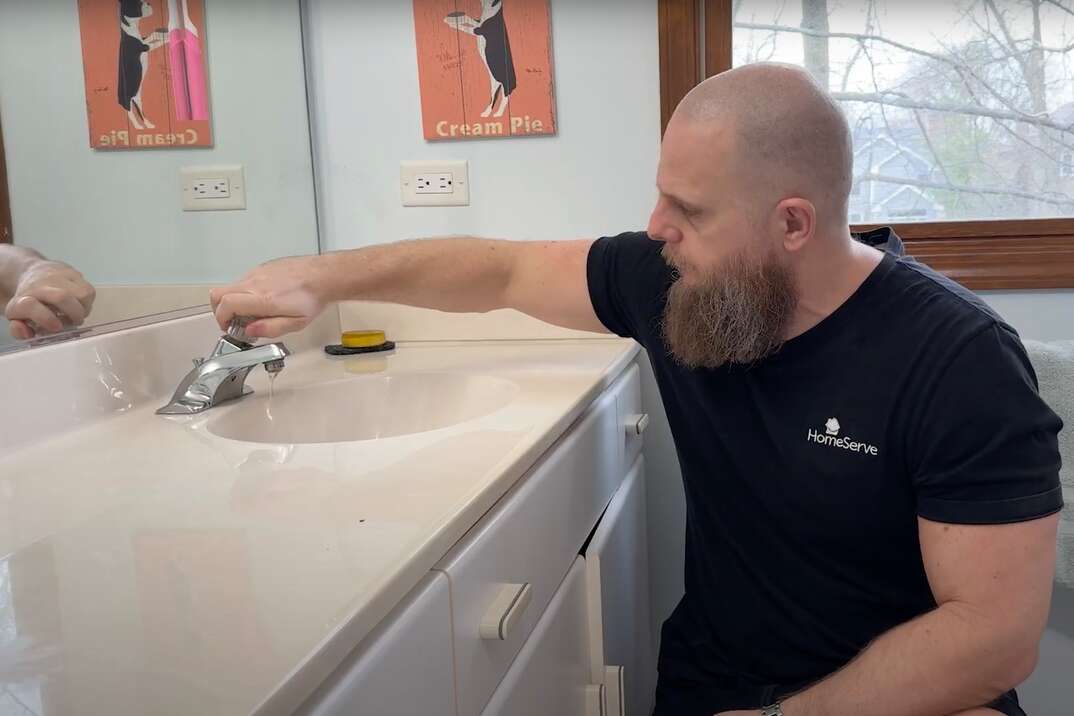
Heat a pot of water until it boils. Pour the boiling water directly into the sink. This can help loosen stubborn clogs. Be cautious while handling hot water. Repeat if necessary. Watch the water level in the sink. Ensure it drains properly.
Using A Plunger Effectively
Clearing a clogged kitchen sink requires skillful use of a plunger. Begin by sealing the overflow hole with a damp cloth. Then, fill the sink with enough water to cover the plunger’s rubber cup. Pump vigorously to dislodge the blockage and restore smooth drainage.
Creating A Seal
A good seal is important for plunging. Fill the sink partially with water. Ensure the plunger’s rubber cup covers the drain completely. Push down gently, then pull up. This creates suction. Water should not escape from the sides. Keep the seal tight.
Plunging Technique
Now, push the plunger up and down quickly. Use firm, even strokes. Maintain the seal as you plunge. Do this for about 30 seconds. Check the drain. If water flows out, the clog is gone. Repeat if necessary until the sink drains properly.
Chemical-free Solutions
Pour half a cup of baking sodainto the sink drain. Follow it with a cup of vinegar. Watch the fizzy bubbles! They help break down the clog. Wait for 15 minutes. Then, rinse with boiling water. The hot water clears the loosened debris. Repeat if needed. This method is safe and natural. It cleans without harmful chemicals. Your sink will smell fresh too!
Start with half a cup of salt. Pour it into the drain. Boil a kettle of water. Carefully pour the hot water over the salt. The heat and salt work together. They break down the clog. Wait a few minutes. Then, run hot water from the tap. This helps clear the remaining particles. Safe for pipes and the environment!
Credit: www.homeserve.com
Handling Stubborn Clogs
Tackling a clogged kitchen sink requires simple steps. Begin by using a plunger to dislodge debris. If persistent, try a baking soda and vinegar mixture to break down the blockage.
Using A Plumber’s Snake
A plumber’s snake can help clear tough clogs. Insert the snake into the sink drain. Push it gently and twist. Feel for the clog. Pull the snake back slowly. Remove any debris caught on the snake. Repeat until the water drains. Clean the snake after use. Store it safely for next time.
Disassembling The P-trap
The P-trap holds water and catches debris. Place a bucket under the sink. Unscrew the P-trap carefully. Remove any gunk inside. Rinse the P-trap with warm water. Check for cracks. Replace the P-trap if damaged. Reattach the P-trap tightly. Ensure no leaks. Turn on the water to test.
Preventing Future Clogs
Keeping your kitchen sink free of clogs involves regular cleaning and mindful waste disposal. Avoid pouring grease down the drain and use a sink strainer to catch food particles.
Regular Maintenance Tips
Clean your sink regularly to avoid clogs. Use a mixture of hot water and vinegar. Pour it down the drain once a week. This keeps pipes clean and free from grease. Check the sink stopper for trapped food bits. Remove and clean it often. This stops food from building up.
Proper Waste Disposal
Throw food scraps in the trash. Avoid putting them down the sink. Use a strainer in the sink. This catches food bits before they go down the drain. Dispose of cooking oil in a container. Do not pour it down the sink. Oil can harden and block pipes. Teaching everyone these habits keeps your sink clear.
When To Call A Professional
Persistent clogging or strange noises indicate it’s time to call a professional. Unresolved issues can lead to bigger plumbing problems. Expert help ensures thorough inspection and repair for safe kitchen operation.
Signs Of Severe Blockage
Water takes a long time to drain. This means there’s a serious blockage. You might hear gurgling sounds from the sink. This can show trapped air in the pipes. Bad odors can come from the sink. This suggests food or debris is stuck. Water might back up into the sink. This can cause flooding.
Plumbing System Concerns
Old plumbing systems may have worn pipes. This can lead to frequent clogs. If multiple drains clog at once, it’s a big issue. This might mean a problem with the main line. Leaks around the sink can show a broken pipe. It’s important to fix it quickly. Rusty pipes can break easily. This means you need a professional to replace them.

Credit: www.facebook.com
Frequently Asked Questions
How Do I Unclog A Kitchen Sink Naturally?
You can unclog a kitchen sink naturally using baking soda and vinegar. First, pour boiling water down the drain. Then, add 1/2 cup of baking soda. Follow it with 1 cup of vinegar. Let it sit for 15 minutes, then flush with boiling water again.
Can I Use A Plunger On A Clogged Sink?
Yes, a plunger can effectively unclog a kitchen sink. Ensure there’s enough water in the sink to cover the plunger’s cup. Position the plunger over the drain and pump vigorously. The pressure should help dislodge the blockage, allowing water to flow freely.
What Causes A Kitchen Sink To Clog?
Kitchen sinks often clog due to grease, food particles, and soap buildup. Over time, these substances accumulate in the pipes, restricting water flow. Regular cleaning and mindful disposal can prevent clogs. Avoid pouring grease and large food scraps down the drain to minimize blockages.
Is It Safe To Use Chemical Drain Cleaners?
Chemical drain cleaners can be effective but may damage pipes over time. They contain harsh chemicals that can corrode metal pipes. For a safer alternative, try using natural methods like baking soda and vinegar. Always follow the manufacturer’s instructions if you choose to use chemical cleaners.
Conclusion
Clearing a clogged kitchen sink is simple with the right steps. Regular maintenance helps prevent future blockages. Always clean your sink after use. Avoid pouring grease down the drain. Use baking soda and vinegar for natural cleaning. These methods are cost-effective and easy.
They also keep your pipes healthy. If clogs persist, consider calling a professional. This ensures your sink works efficiently. With these tips, your kitchen stays clean and functional. Enjoy a hassle-free cooking experience! Remember, prevention is always better than cure.
Keep your kitchen sink clog-free!