A leaky kitchen faucet can be a real nuisance, causing frustration as you watch precious water drip away, not to mention the potential increase in your water bill. If you’re dealing with a single handle faucet that’s decided to act up, don’t worry—you’re not alone, and you can fix it yourself without calling in a plumber.
Imagine the satisfaction of solving the problem on your own, saving money, and preventing further damage. In this guide, you’ll discover simple steps to stop the leak, turning your kitchen back into a place of comfort and efficiency. Ready to take control and get your faucet back in top shape?
Let’s dive in!
Identify The Source Of The Leak
Finding the leak source is crucial in fixing a single-handle kitchen faucet. Check connections and seals for wear or damage. Inspect the handle and spout for any visible leaks or drips.
Inspect The Handle
Check the handle for water drips. Loose screws can cause leaks. Tighten any loose screws. Look for cracks or damage in the handle. Replace if damaged.
Check The Base Of The Faucet
Water pooling around the base means a leak. Dry the area with a cloth. Observe if water returns. Sealant might be needed if water persists. Tighten any loose base parts.
Examine The Spout
Leaking from the spout? Check the O-ring. The O-ring might be worn out. Replace worn O-rings. Ensure the spout is firmly attached. Loose spouts can leak.
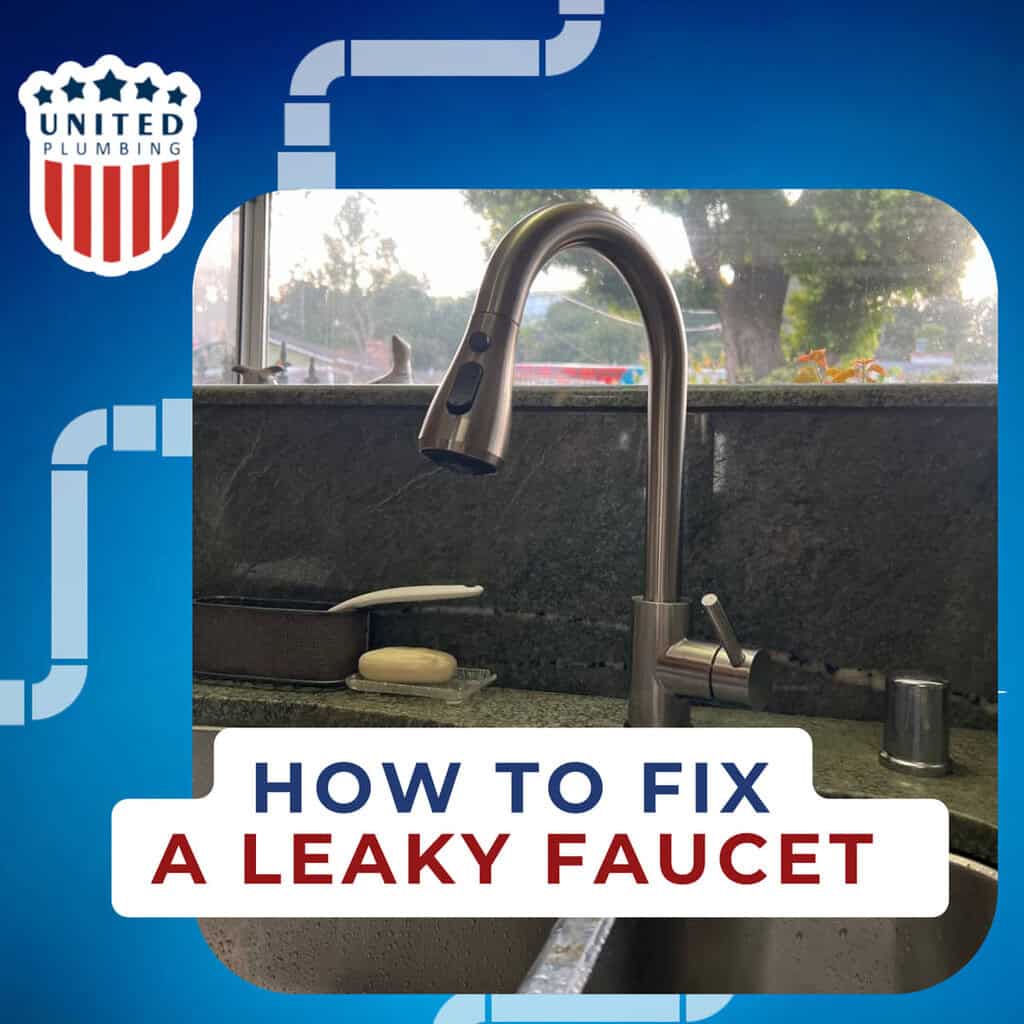
Credit: plumbing-united.com
Gather Necessary Tools And Materials
Gather Necessary Tools and Materials Begin by collecting a wrench, screwdriver, and plumber’s tape. Make sure to have replacement parts ready. Having everything prepared makes the repair process smoother and quicker.
Essential Tools
You need some basic tools for this task. A wrench is important for loosening nuts. Have a screwdriver ready for removing screws. A pliers will help hold small parts. A towel is useful to dry wet areas. A bucket can catch water under the sink. Keep these tools handy for the repair.
Replacement Parts
Sometimes, the faucet needs new parts. The washer may need replacing if it’s worn. A cartridge can fix leaks if damaged. Keep a rubber O-ring for tight seals. The aerator might be clogged and need changing. Check these parts before starting the fix. Having the right parts makes the repair smoother.
Shut Off Water Supply
First, find the water valves under the sink. They are usually round and located at the back. Check both sides of the sink for the valves. Ensure you have enough light to see clearly. If you cannot find them, ask an adult for help. Remember, the valves control the water flow.
Once you find the valves, turn them clockwise to shut them off. Use your hand to do this. If they are tight, ask someone stronger to help. Make sure the valves are fully turned to stop the water. Check by trying to use the faucet. If no water comes out, you did it right!
Disassemble The Faucet
Begin by turning off the water supply to the faucet. Carefully remove the handle to access the internal components.
Remove The Handle
First, turn off the water supply. This stops leaks. Next, find the screw on the handle. It’s usually hidden under a cap. Use a screwdriver to remove the screw. Pull the handle off gently. If it’s stuck, wiggle it a little. Be careful not to break it.
Detach The Cartridge Or Valve
Locate the retaining nut. It’s below the handle. Use a wrench to loosen it. Remove the cartridge or valve carefully. Check for any damage or wear. If you see dirt, clean it. Replace damaged parts. Put the cartridge or valve back in place. Secure it with the retaining nut. Make sure it’s tight.
Inspect And Replace Damaged Parts
Inspect the faucet for worn-out or damaged parts. Replace faulty washers, O-rings, or seals to stop leaks effectively.
Examine The O-rings
Look under the faucet handle. Check for any damaged O-Rings. These are small rubber rings. They prevent leaks. If they look worn, replace them. Use a screwdriver to remove the handle. Carefully take out the old O-Rings. Put in new ones. Make sure they fit snugly.
Check The Cartridge Or Valve
Find the cartridge or valve. It’s inside the faucet. Remove it gently. Look for cracks or dirt. These can cause leaks. Clean it with a soft cloth. If it’s broken, get a new one. Always ensure it fits well.
Replace Worn-out Parts
Some parts wear out over time. This includes washers and seals. Check them all. Replace any damaged ones. Tighten any loose parts. This will stop leaks. Your faucet will work better.

Credit: www.youtube.com
Reassemble The Faucet
Reassemble the faucet by aligning the parts correctly. Tighten the screws and nuts securely. Ensure all components fit snugly to prevent future leaks.
Reattach The Cartridge Or Valve
First, ensure the cartridge or valve is clean. Gently place it back in its position. Align the holes correctly. This helps water flow smoothly. Secure it with screws. Use a screwdriver to tighten them. Ensure they are snug. But don’t over-tighten. Over-tightening can cause damage.Secure The Handle
Place the handle back onto the faucet. Align it with the cartridge stem. Push it down gently. Insert the handle screw into its slot. Use a screwdriver to tighten it. Ensure the handle moves freely. Test the faucet by turning it on. Check for leaks. If it leaks, recheck the steps. Make sure everything is tight and aligned. `Test The Faucet
Begin by turning off the water supply under the sink. Next, remove the handle by loosening the screw. Check the washer and O-ring for wear. Replace any damaged parts and reassemble the faucet.
Turn On The Water Supply
First, make sure the water supply is turned on. Check under the sink. You should see two knobs. Turn them to the left. This opens the water flow. Be gentle to avoid breaking them. Once on, water will flow through the faucet.
Check For Leaks
Now, inspect the faucet carefully. Look for any drips or leaks. Check around the base and spout. If you see water, there might be a problem. Feel around the faucet for wet spots. Wet spots mean there is a leak. Tighten any loose parts. This might stop the leak. If water still leaks, you might need a new part.
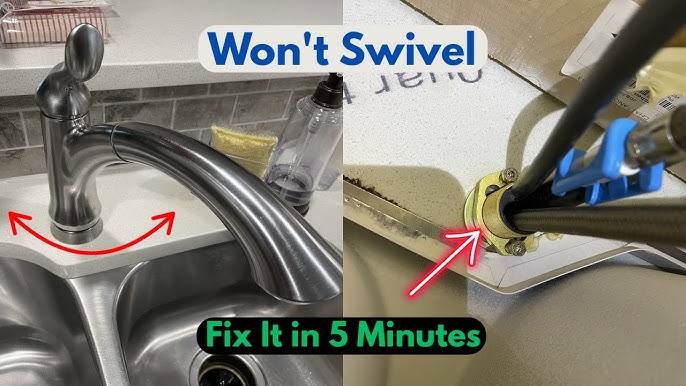
Credit: www.youtube.com
Maintenance Tips
To fix a leaky kitchen faucet, first turn off the water supply. Then, remove the handle and check the O-ring and washer for damage. Replace worn parts and reassemble the faucet. Turn the water back on to check for leaks.
Regular Cleaning
Keep your faucet shiny and clean with regular care. Wipe it with a soft cloth every week. Use a mild soap to remove dirt and grime. Avoid using harsh chemicals; they can damage the surface. Clean the aerator once a month. Unscrew it and rinse it under water. This helps keep the water flow strong. Regular cleaning prevents buildup and keeps your faucet looking new.
Inspecting For Early Signs Of Wear
Check your faucet often for signs of wear. Look for drips or leaks. These can mean a part is wearing out. Feel for any stiffness when turning the handle. This can be a sign of a problem inside. Listen for strange sounds when using the faucet. These can hint at issues too. Fixing small problems early can stop bigger issues later.
Frequently Asked Questions
How Do I Identify A Leaky Kitchen Faucet?
Look for water drips around the faucet base or handle. Listen for constant dripping sounds. Check for water pooling under the sink. These signs indicate a leaky faucet. Identifying the leak source is essential before attempting repairs.
What Tools Are Needed To Fix A Faucet Leak?
You’ll need an adjustable wrench, screwdriver, and pliers. Use plumber’s tape to seal connections. A replacement cartridge may be necessary for single-handle faucets. Ensure you have the correct size before starting repairs.
How Can I Replace The Faucet Cartridge?
Turn off water supply and remove the handle. Unscrew the retaining nut and pull out the old cartridge. Insert the new cartridge, reassemble the faucet, and turn on the water supply. Test for leaks to ensure proper installation.
Why Is My Faucet Still Leaking After Repairs?
The issue might be a damaged cartridge or improper installation. Check if the new cartridge is correctly seated. Ensure all connections are tight and sealed. If leaks persist, consult a professional plumber for further assistance.
Conclusion
Fixing a leaky kitchen faucet is simple with the right steps. Remember to turn off the water supply first. Gather all necessary tools before starting. Follow the instructions carefully to avoid mistakes. A steady hand helps with the repair process.
Check your work for any remaining leaks. Regular maintenance can prevent future leaks. Save money and time by doing it yourself. A fixed faucet brings peace and quiet to your kitchen. Enjoy using your sink without annoying drips. Now, you’re ready to tackle other home repairs with confidence.