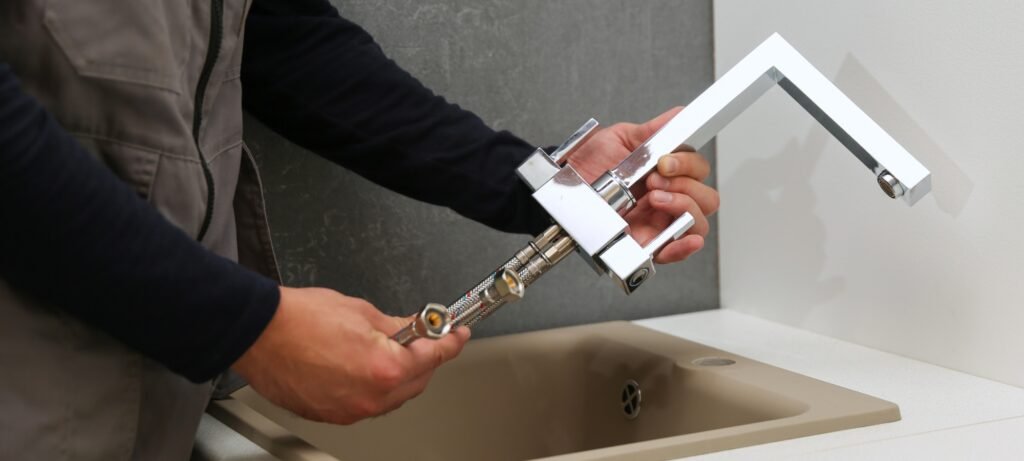
Is your kitchen faucet wobbling every time you turn it on or off? A loose kitchen faucet can be more than just a minor annoyance.
It can lead to leaks and even damage to your countertop. But don’t worry—fixing it is easier than you might think! In this guide, we’ll show you how to secure your faucet quickly and efficiently, so you can get back to enjoying your kitchen without the fear of unwanted water disasters.
Imagine the satisfaction of fixing it yourself, saving money, and preventing potential headaches down the road. Ready to take control of your kitchen maintenance? Let’s dive in and tighten things up!

Credit: www.tiktok.com
Identifying The Problem
A loose kitchen faucet often indicates worn-out washers or loose mounting nuts. Check for visible leaks or wobbling. Inspect the base and handle for any loose components needing tightening or replacement.
Signs Of A Loose Faucet
A loose kitchen faucet might shake when touched. You might hear a rattling sound. The faucet may leak water around the base. It might move when using it. If you notice these signs, your faucet might be loose.
Common Causes
- Worn-out screws can cause the faucet to loosen.
- Loose nuts under the sink may be the problem.
- Corrosion can weaken the faucet’s hold.
- Improper installation might lead to a loose fixture.
- Regular use over time can loosen the faucet.
Gathering Necessary Tools
To fix a loose kitchen faucet, gather these essential tools:
- Adjustable wrenchfor tightening nuts
- Phillips screwdriverfor screw removal
- Allen wrenchfor securing handles
- Flashlightto see under the sink
Consider these optional toolsfor easier access:
- Basin wrenchfor hard-to-reach nuts
- Needle-nose pliersfor gripping small items
- Plumber’s tapeto prevent leaks
Turning Off The Water Supply
Find the shutoff valvesunder the sink. They are usually connected to the pipes. Look for two small, round knobs. Turn the knobs clockwise to close them. This will stop the water flow to the faucet. Make sure to check both hot and cold water valves.
Make sure the water is completely off. Double-check the valves are tight. Place a towelunder the sink to catch any drips. Wear gloves to protect your hands. Keep a flashlight handy for better visibility. Ensure no electrical devices are near water.

Credit: www.youtube.com
Accessing The Faucet Base
Remove all items from beneath the sink. This makes space to work. Use a flashlight to see clearly. Look for cleaning supplies or tools. Place them outside in a safe area. Ensure no items block your path. This helps to prevent accidents. Check for any water leaks too.
Take out bins or baskets first. Then, move any cleaning products. Clear away any extra towels or cloths. Use a clean box to store them. Make sure the area stays tidy. This gives you more space to move. It also helps to keep everything organized.
Tightening The Mounting Nut
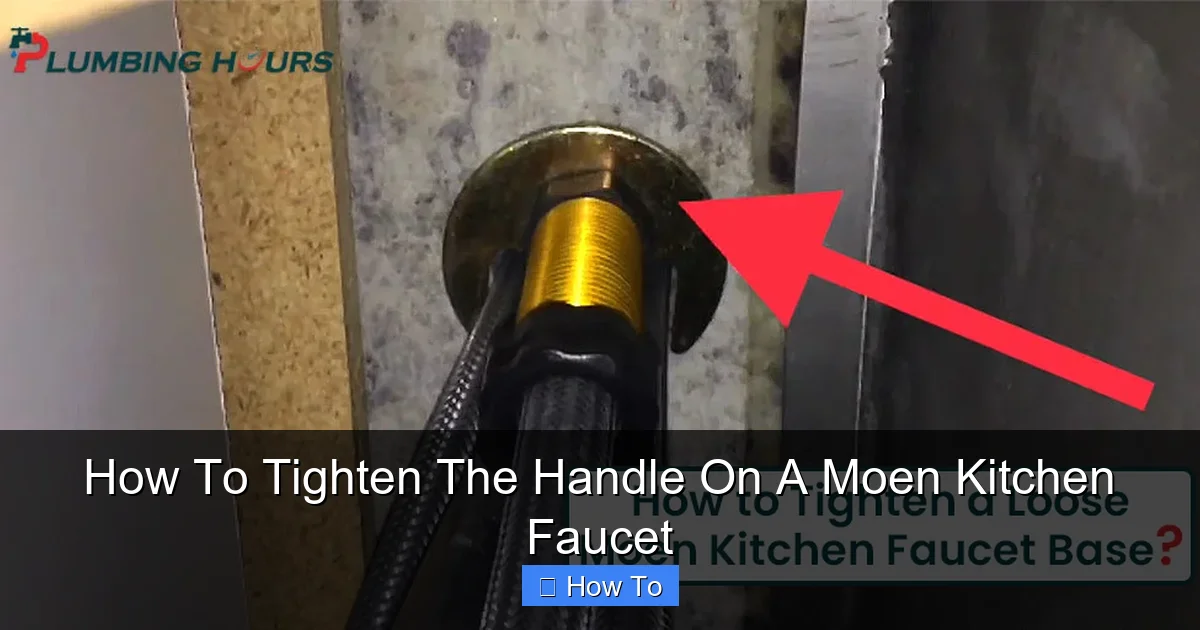
A basin wrench is a handy tool. It helps tighten the mounting nut. First, find the nut under the sink. Use the wrench to grip the nut. Turn it clockwise to make it tight. Make sure not to overtighten it. This can break the faucet. Check if the faucet is steady. If it’s still loose, tighten a bit more.
After tightening, check the faucet. Gently move it left and right. It should not wiggle. If it moves, the nut is still loose. Tighten it a bit more with the wrench. Make sure the faucet is steady. This stops water leaks. A secure faucet works better. It also lasts longer.

Credit: goesmo.com
Reattaching Any Loose Components
Tighten the loose kitchen faucet by checking and reattaching any loose components. Use a wrench to secure nuts and bolts. Ensure all parts fit snugly to prevent future wobbling.
Handling Escutcheon Plates
Check the escutcheon platefor loose screws. Use a screwdriver to tighten them. Ensure the plate sits flat against the sink. If the plate is still loose, inspect for any damage. Replace damaged parts promptly. Apply a sealant if necessary. This keeps water from seeping under the plate. A tight fit prevents leaks and wobbles.
Securing Faucet Handles
Inspect the faucet handles for looseness. Use a wrench to tighten them. Be careful not to over-tighten. This can damage the handle. If the handle still wobbles, check the screw inside. Tighten or replace it as needed. A secure handle improves faucet function. It makes turning the water on and off easier. Properly secured handles prevent leaks and save water.
Testing The Faucet
Turn the faucet handle to the “off” position. This ensures no water flows. Slowly restore the water supply by turning the main valve. It’s usually under the sink. Listen for any unusual sounds. Check if the water flows smoothly.
Once the main valve is open, turn on the faucet. Watch carefully for any drips or leaks. These might show a problem. Tighten any loose parts if needed. Feel the water pressure with your hand. It should be steady and strong.
After restoring water, inspect for any leaks. Look around the faucet base. Use a towel to dry the area. If it gets wet again, there’s a leak. Tighten the faucet with a wrench. Ensure all connections are secure. Repeat the check to confirm.
Preventive Maintenance Tips
Tightening a loose kitchen faucet can prevent further damage. Use a wrench to secure the base firmly. Regular checks for leaks can extend faucet life and ensure smooth operation.
Regular Inspection Schedule
Inspect the faucet every month. Check for any loose parts. Tighten the bolts if needed. Look for leaks under the sink. Replace worn washers promptly. Ensure handles turn smoothly. Use a flashlight to see hidden spots. Clean the faucet with mild soap. Dry it with a soft cloth. Avoid using harsh chemicals on the faucet.
Avoiding Common Mistakes
Don’t ignore small leaks. Leaks can damage cabinets over time. Avoid overtightening the faucet. Overtightening can crack parts. Use the right tools for repairs. Wrong tools can cause scratches. Don’t forget to check water pressure. Low pressure might mean clogged pipes. Always turn off water supply before repairs. This prevents water spills.
Frequently Asked Questions
How Do I Tighten A Loose Kitchen Faucet?
To tighten a loose kitchen faucet, first locate the mounting nuts. Use a wrench to carefully tighten them. Ensure the faucet base sits firmly on the sink. Avoid overtightening to prevent damage. If unsure, consult the faucet’s manual for specific instructions.
Regular maintenance prevents future loosening.
What Tools Are Needed To Fix A Faucet?
To fix a loose kitchen faucet, you’ll need a wrench, screwdriver, and pliers. A flashlight may help in dark areas. Having a basin wrench is beneficial for hard-to-reach nuts. Always ensure you have the right tools before starting. This ensures a smooth repair process.
Why Does My Kitchen Faucet Keep Coming Loose?
A kitchen faucet may loosen due to regular usage and vibrations. Over time, mounting nuts can become loose. Ensure regular checks and tighten them when needed. Additionally, ensure the faucet is correctly installed initially. Proper installation and maintenance prevent frequent loosening.
Can I Fix A Loose Faucet Without A Plumber?
Yes, you can fix a loose kitchen faucet without a plumber. It’s a simple DIY task. With the right tools and a bit of patience, you can tighten the faucet yourself. Always follow manufacturer instructions for best results. If uncertain, online tutorials can guide you.
Conclusion
Fixing a loose kitchen faucet is simpler than it seems. Start by checking the connections. Tighten any loose screws or nuts. Ensure washers are properly aligned. Use tools like pliers for better grip. Test the faucet after adjustments. Look for leaks.
If leaks persist, consider replacing worn parts. Regular maintenance keeps faucets in top shape. Save money and avoid plumber visits. Keep your kitchen running smoothly with these easy steps. Remember, a well-fixed faucet means less hassle. Enjoy a steady water flow without disruptions.
Happy fixing!