Have you ever opened your kitchen cabinet, only to be greeted by an unpleasant musty smell? It can be quite off-putting, especially when you’re trying to prepare a delicious meal or entertain guests.
You might feel frustrated, wondering where that odor is coming from and how to make it disappear for good. The good news is, you’re not alone—and there are effective solutions to this common problem. Imagine walking into your kitchen, opening your cabinets, and breathing in nothing but fresh, clean air.
Sounds wonderful, right? You’ll discover simple, practical steps to banish that musty smell from your kitchen cabinets once and for all. Whether it’s lingering mold, trapped moisture, or forgotten food, we’ve got you covered with easy fixes that will transform your kitchen into a pleasant and inviting space. Stick around, because the secrets to a fresher kitchen are just a few scrolls away!
Causes Of Musty Smell
Moisture and humiditycause dampness inside cabinets. This creates an ideal place for bad smells.
Mold and mildew growthhappen when moisture stays too long. They produce a strong, musty odor.
Food residue and spillsleft behind can rot. This adds to the bad smell in the kitchen.
Poor ventilationstops fresh air from moving. Stale air lets smells stay and get worse.
Preparing The Cabinets
Take out all items from your kitchen cabinets. This clears space and makes cleaning easier. Check for expired food or spills inside the cabinets.
Use a soft cloth and warm, soapy water to clean all surfaces. Wipe down shelves, doors, and walls inside the cabinets. Dry everything well to stop moisture.
Mold can cause the musty smell. Use a mixture of white vinegar and water to clean mold spots. Wear gloves and a mask to stay safe. Avoid mixing vinegar with bleach.
Effective Cleaning Methods
Vinegar solutionsare great for removing musty smells. Mix equal parts of white vinegar and water in a spray bottle. Spray the inside of cabinets and wipe with a clean cloth. Vinegar kills mold and bacteria that cause odors.
Baking sodaabsorbs bad smells well. Place an open box or a small bowl of baking soda in cabinets. Leave it for a few days to soak up the musty smell. For stronger treatment, sprinkle baking soda on cabinet shelves, let sit, then wipe clean.
Activated charcoalworks like a natural air purifier. Put some charcoal briquettes or activated charcoal bags inside cabinets. They trap moisture and odors, keeping cabinets fresh for a long time.
| Type | How to Use | Benefits |
|---|---|---|
| Vinegar Solutions | Spray mixed vinegar and water inside cabinets | Kills mold and bacteria, removes odors |
| Baking Soda Treatments | Place open box or sprinkle on shelves | Absorbs moisture and odors effectively |
| Activated Charcoal | Put charcoal bags or briquettes inside cabinets | Traps odors and moisture for longer freshness |
| Commercial Deodorizers | Use sprays or sachets designed for kitchens | Provides quick odor control and fresh scent |
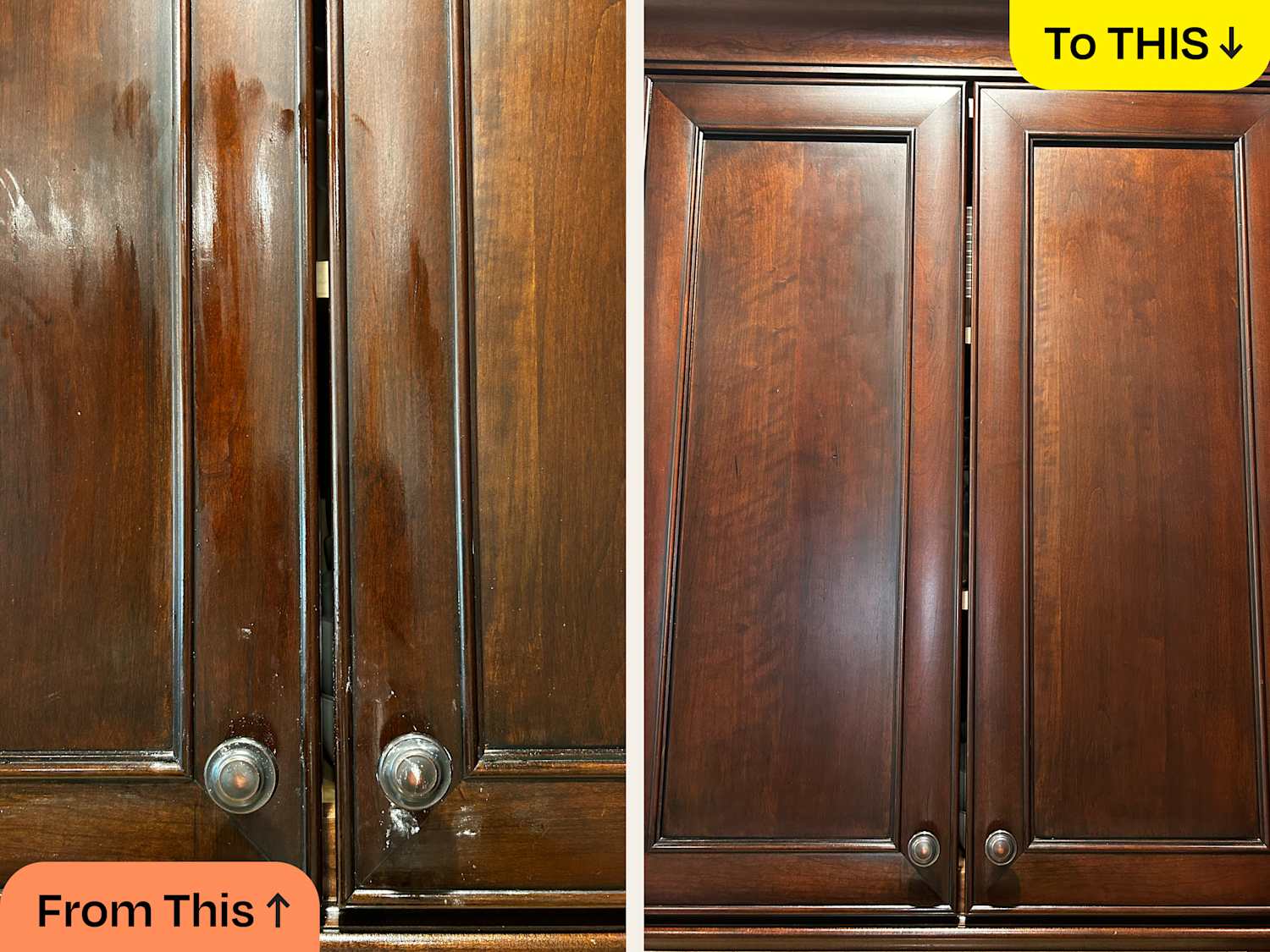
Credit: www.thekitchn.com
Drying And Ventilation Tips
Improving airflowhelps reduce musty smells in kitchen cabinets. Leave cabinet doors open for a few hours daily. Use small fans to move air inside the cabinets. Proper airflow stops moisture buildup, which causes bad odors.
Using dehumidifierslowers moisture levels in the kitchen. Place a small dehumidifier near the cabinets. It helps keep the air dry, making the space less welcoming for mold and mildew. This simple tool works well in damp or humid kitchens.
Sunlight exposurenaturally kills mold and freshens the air. Open cabinet doors on sunny days and let sunlight reach inside. Sunlight dries out damp areas and reduces musty smells. Even a few hours of sun can make a difference.
Preventing Future Odors
Keeping kitchen cabinets fresh needs a regular cleaning routine. Wipe shelves weekly with a damp cloth and mild soap. Remove crumbs and spills fast. This stops bad smells from starting.
Proper storage practiceshelp avoid odors. Use airtight containers for dry foods like flour and sugar. Avoid storing old or expired items. Keep things organized so air can flow.
| Moisture Control Strategies | Details |
|---|---|
| Use a dehumidifier | Reduces dampness in the kitchen air |
| Fix leaks fast | Prevents water damage inside cabinets |
| Keep cabinets open | Air out cabinets after cleaning or cooking |
| Place moisture absorbers | Use silica gel or baking soda packs inside cabinets |

Credit: www.aol.com

Credit: www.aol.com
Frequently Asked Questions
How Do I Remove Musty Smell From Kitchen Cabinets?
To remove musty smell, clean cabinets with vinegar and water. Leave them open to air out. Use baking soda or activated charcoal to absorb odors.
What Causes Musty Odors In Kitchen Cabinets?
Musty odors come from moisture buildup, poor ventilation, or mold growth inside cabinets. Spills and food residue can also cause smells.
Can Natural Remedies Eliminate Musty Cabinet Smells?
Yes, natural remedies like vinegar, baking soda, and charcoal effectively absorb and neutralize musty odors in cabinets without harsh chemicals.
How Can I Prevent Musty Smells In Kitchen Cabinets?
Keep cabinets dry and well-ventilated. Fix leaks promptly and clean spills immediately. Use moisture absorbers like silica gel to maintain freshness.
Conclusion
Removing the musty smell from kitchen cabinets takes patience and care. Clean the cabinets well and let them dry completely. Use natural fresheners like baking soda or vinegar to absorb odors. Keep cabinets dry and aired out to stop smells from returning.
Regular cleaning helps keep your kitchen smelling fresh. Small steps make a big difference in your home’s air. Enjoy a cleaner, fresher kitchen space every day.