Finding tiny ants marching across your kitchen counter can be frustrating. You might feel like they appear out of nowhere, invading your space and making you question the cleanliness of your home.
But don’t worry; you’re not alone in this battle. Kitchen ants are a common problem, and you’re about to discover effective ways to reclaim your kitchen. Imagine a space free from these pesky invaders, where your food and surfaces are safe and clean.
By understanding what attracts ants and how to keep them at bay, you can take control. Keep reading, and you’ll learn simple, actionable steps to get rid of tiny ants in your kitchen for good. Your ant-free kitchen is just a few scrolls away!
Identify The Ant Species
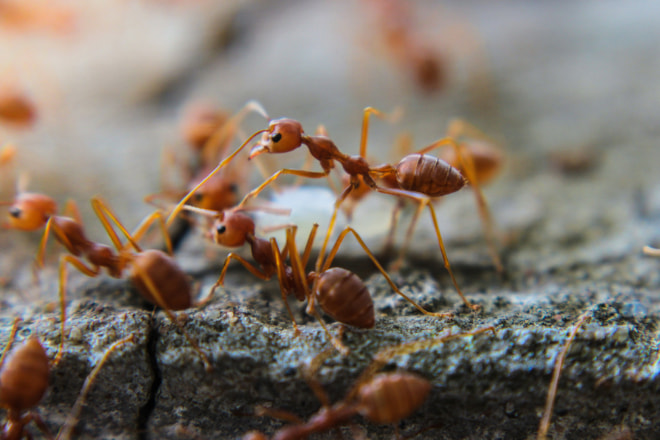
Knowing the type of ants is important. Different ants need different solutions. Look closely at their color and size. Some ants are black, while others are red or brown. Check if they have wings. Winged ants are often searching for new homes. Observe their movement patterns. Do they move in a line or scattered? These clues help in identifying them.
Common kitchen ants include pavement ants and odorous house ants. Pavement ants are small and brown. Odorous house ants smell bad when squished. Write down what you see. This helps when choosing the right treatment.

Credit: www.facebook.com
Locate The Ant Entry Points
Ants come into the kitchen through small cracks and gaps. Check around windows, doors, and baseboards for these entry points. Look for trails of ants to see where they start. Sometimes, ants enter through holes near pipes or cables. Seal these gaps with caulk or weatherstripping to block the ants. Use a flashlight to find hidden cracks. Pay attention to corners and dark areas. Tiny ants can squeeze through very small spaces. Fixing these spots stops ants from coming in.
Clean And Sanitize The Kitchen
Tiny ants love crumbs and spills. Use a damp cloth to clean surfaces. Wipe counters, tables, and floors. Look under appliances and in corners. Food bits hide there. Clean up any sticky spots.
Ants can sniff out open foods. Use airtight containers for snacks and cereals. Make sure lids are tight. Store sugar and honey in sealed jars. This keeps ants away from sweet smells.
Trash bins attract ants. Take out the trash every day. Use bins with lids to keep smells inside. Clean the bins often. Wash with soap and water. This helps stop ants from coming back.
Use Natural Repellents
Mix equal parts of vinegar and water in a spray bottle. This solution helps keep tiny ants away. Spray it on kitchen surfaces and entry points. Ants dislike the strong smell of vinegar. Make sure to wipe surfaces clean after spraying. This keeps the kitchen fresh and ant-free.
Essential oils like peppermint and tea tree can repel ants. Add a few drops to a cotton ball. Place these cotton balls in corners and entryways. The strong scent keeps ants at bay. Refresh the cotton balls weekly for best results.
Apply Ant Baits And Traps
Choose bait that ants like. Sweet or greasy bait works well. Ants love sugar and fats. Observe which ants you have. This helps in choosing the right bait. Some ants prefer protein-rich bait. Others might go for sugary ones. Read labels carefully. Make sure the bait is for tiny ants. This ensures effectiveness.
Place traps near ant trails. Ants follow these paths to food. Kitchens often have many trails. Set traps where you see ants. Near sinks and counters is ideal. Avoid placing traps in open areas. Ants prefer hidden spots. Check traps regularly. Replace them if empty. This keeps the ants away.

Credit: www.simplepest.com
Seal Entry Points And Cracks
Ants sneak through tiny cracks and gaps. Use caulk to seal these entry points. Focus on walls, floors, and windows. Check for holes around pipes. Fill them with sealant. This stops ants from entering. Regularly inspect for new cracks. Keep your kitchen safe from intruders.
Keep your kitchen clean. Remove crumbs and spills right away. Ants love food scraps. Empty trash bins often. Store food in sealed containers. Wipe counters after cooking. Check for leaks under the sink. Fix them quickly. Ants are attracted to moisture. Regular maintenance keeps ants away.
When To Call A Professional
Ants can be tricky. If tiny ants keep coming back, it might be time to call a professional. Experts know how to find where ants hide. They have special tools to get rid of them for good. If ants are in your food, that’s a bad sign. Professionals can help stop them from spoiling food.
Ants can cause damage. They can chew through wood and wires. If you see damage, a professional can help fix it. They know how to keep your home safe. Ant bites can hurt, too. If ants bite you or your pets, call for help. Professionals can make sure ants don’t bite again.
Sometimes, ants don’t go away with sprays or traps. If sprays don’t work, it’s time for expert help. Professionals know the best ways to keep ants out. They can make sure your kitchen stays ant-free.
:max_bytes(150000):strip_icc()/The-number-1-Way-to-Get-Rid-of-Ants-in-Your-Kitchen-63b22b565d2e429c943571b833f56c48.jpg "How to Get Rid of Tiny Ants in the Kitchen 3")
Credit: www.eatingwell.com
Prevent Future Infestations
Clean crumbs from counters and floors every day. Sweep and mop often. Ants love food spills and stains. Keep surfaces clean and dry. Wipe spills quickly. Use vinegar to clean surfaces. Vinegar helps keep ants away. Trash bins should be emptied regularly. Ants are attracted to trash. Keep trash bins closed tightly.
Store food in airtight containers. Ants cannot enter sealed containers. Glass or plastic containers work best. Keep sugar and sweets tightly sealed. Ants are drawn to sweet treats. Store fruits and vegetables in the fridge. Ants avoid cold places. Check cupboards for open food packages. Seal any open packages immediately. This helps keep ants away.
Frequently Asked Questions
What Attracts Tiny Ants To The Kitchen?
Tiny ants are attracted to food crumbs, spills, and sugary residues in the kitchen. They are also drawn to water sources like sinks and leaky pipes. Keeping the kitchen clean and dry can help deter these pests from invading your space.
How Do I Find The Ant Entry Points?
Check for cracks in walls, gaps around windows, and doors where ants might enter. Inspect areas near plumbing and electrical outlets. Sealing these entry points can prevent ants from invading your kitchen and nesting indoors.
Are Natural Remedies Effective Against Ants?
Yes, natural remedies like vinegar, lemon juice, and essential oils can deter ants. Spraying these around entry points and cleaning surfaces with them can help. While not as potent as chemicals, they are safer for homes with kids and pets.
How Often Should I Clean To Prevent Ants?
Regularly clean kitchen surfaces and floors to eliminate food crumbs and spills. Aim for daily cleaning, especially after meals. By maintaining cleanliness, you remove the food sources that attract ants, reducing the likelihood of an infestation.
Conclusion
Tiny ants can be a nuisance in your kitchen. Thankfully, simple solutions exist. Keep your kitchen clean, free from crumbs and spills. Seal food containers tightly. Use natural repellents like vinegar or peppermint oil. Regularly check and seal entry points.
Your kitchen can be ant-free with consistent effort. Remember, prevention is key. Monitor for signs of ants regularly. Act quickly to control any ant invasions. Enjoy a clean and peaceful kitchen space. Protect your food and maintain hygiene. Start today and keep those tiny ants away!