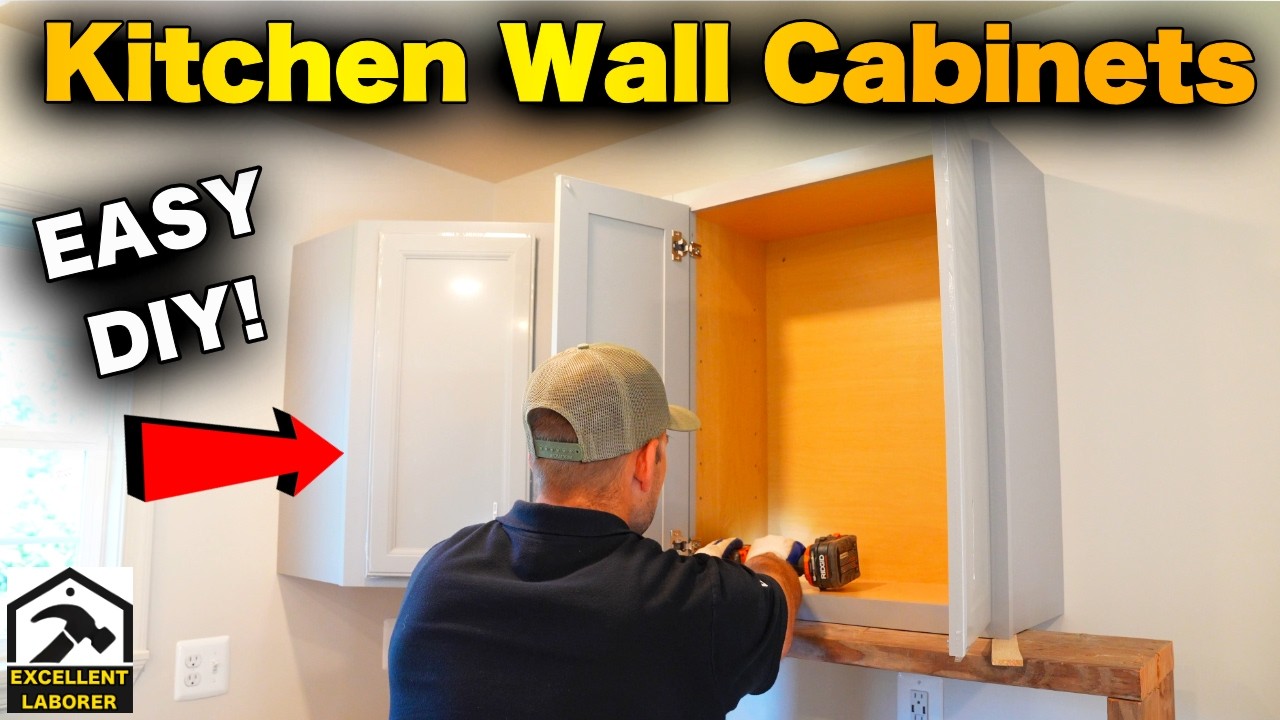
Are you ready to transform your kitchen into the space you’ve always dreamed of? Installing kitchen cabinets yourself might seem daunting, but it can be a rewarding experience that saves you money and gives you bragging rights.
Picture walking into your kitchen and seeing those perfectly aligned cabinets that you installed with your own hands. It’s not just about the look; it’s about the pride you’ll feel every time you step into your upgraded space. But let’s face it, the idea of tackling a DIY cabinet installation can be intimidating.
The good news? You don’t have to be a professional carpenter to achieve great results. With the right guidance and a bit of patience, you can handle this project like a pro. In this guide, we’ll walk you through each step with clear, simple instructions that will empower you to confidently install your kitchen cabinets. Ready to roll up your sleeves and get started? Let’s dive in and make your kitchen makeover a reality!
Preparation And Planning
Proper preparation ensures smooth cabinet installation. Gather essential tools and materials first. Measure spaces accurately for a perfect fit.
Gathering Necessary Tools
Collect all tools before starting. You will need a measuring tape, level, drill, screwdriver, and saw. A pencil is useful for marking. Ensure tools are easy to find.
Measuring Your Space
Measure the kitchen space accurately. Use a tape measure for best results. Note the width, height, and depth. Ensure measurements are correct. Double-check to prevent mistakes.
Choosing The Right Cabinets
Look for cabinets that fit your space. Choose styles that match your kitchen. Check the quality of materials. Consider your budget and needs. Ensure cabinets fit measurements.

Credit: www.youtube.com
Removing Old Cabinets
Start by taking out all dishes and items from the cabinets. Put them in a safe place. Next, cover the floor with a drop cloth. This keeps it clean and safe. Remove any appliances or furniture nearby. This gives you space to work. Make sure you have a clear path to move the old cabinets. This helps prevent accidents.
Use a screwdriver to take out the screws holding the cabinets. Make sure to support the cabinet while unscrewing. This stops it from falling. Work with a friend to make the job easier. Carefully lift the cabinet off the wall. Place it gently on the ground. Check for any leftover nails or screws in the wall. Remove them to prepare for new cabinets.
Marking And Layout
Use a stud finder to locate studs in the wall. These are strong spots to attach cabinets. Mark each stud with a pencil. Keep marks clear and visible. You need a tape measure to check distances between studs. Most studs are 16 inches apart. This helps in planning where cabinets go.
Begin with a level to draw straight lines. These lines guide you in placing cabinets correctly. Mark cabinet heights on the wall. Use a straight edge for accuracy. Draw lines where the top and bottom of cabinets will sit. Clear lines make installation easy. Double-check measurements. Ensure lines are level and straight. This prevents crooked cabinets.

Credit: www.create-enjoy.com
Installing Upper Cabinets
Installing upper cabinets involves precise measurements and secure mounting. Begin by marking wall studs and ensuring level alignment. Use screws to attach cabinets, checking stability after installation.
Positioning And Securing
Mark the spot for the cabinet. Use a pencil and level. Draw a line on the wall. Hold the cabinet in place. Use a helper if needed. Drill pilot holes through the cabinet back. Secure with screws into studs. Make sure it’s firm. Check for any wobble.
Leveling And Aligning
Check if the cabinet is level. Use a spirit level tool. Adjust as needed by shimming. Place shims under the cabinet. Tap gently with a hammer. Align the cabinet with neighboring ones. Ensure doors open smoothly. Tighten all screws well. Recheck the level.
Installing Base Cabinets
Begin by measuring the space for the cabinets. Secure the base cabinets to the wall using screws. Ensure each cabinet is level before tightening.
Positioning And Securing
Place the base cabinets in the desired position. Align them with the wall. Ensure cabinets are flush against the wall for stability. Use a level to check horizontal alignment. Secure cabinets with screws into wall studs. Tighten screws to hold cabinets firmly. Repeat for each cabinet piece.
Adjusting For Level And Plumb
Check cabinets for level and plumb. Use shims to adjust uneven floors. Shims are small pieces to balance cabinets. Insert shims where needed for balance. Use a level to check again. Adjust shims until the cabinet is level. Ensure cabinets are plumb vertically. Make sure everything is straight and aligned.

Credit: www.youtube.com
Securing And Finishing
Secure cabinets by attaching them firmly to the wall studs using screws. Ensure precise alignment for seamless finishing. Adjust doors and drawers for smooth operation and flawless appearance.
Attaching Cabinets Together
Hold two cabinets closely with a clamp. Make sure they are aligned. Use a drill to make a small hole between them. Insert a screw into the hole. Tighten the screw to secure the cabinets together. Check if the cabinets are stable. Repeat for all cabinet connections. Ensure all screws are tight.
Installing Doors And Hardware
Place the cabinet door on its hinges. Use a screwdriver to attach the hinges. Ensure the door swings smoothly. Repeat for all cabinet doors. Attach handles or knobs to the doors. Align them correctly before securing. Use screws to fix the handles in place. Check that all doors open and close easily.
Troubleshooting Common Issues
Installing kitchen cabinets can be tricky. Aligning doors and leveling shelves often cause frustration. Double-check measurements and use quality tools to ease the process.
Dealing With Uneven Walls
Uneven walls can cause problems for cabinets. Use a levelto check the wall. Mark the high and low spots. You may need to add shimsbehind the cabinets. Shims help to make the cabinets level. They are small, flat pieces of wood or plastic. Secure the cabinet with screws once it’s level. Double-check with the level to ensure accuracy. This helps the cabinets sit straight and steady.
Fixing Misaligned Doors
Misaligned doors can be frustrating. First, check the hinges. They might be loose or not adjusted right. Tighten any loose screws with a screwdriver. Adjust the hinges if the doors are not straight. Many hinges have small screws for fine-tuning. Turn these screws to move the door up or down. This helps align the doors properly. If the doors still don’t fit, they might be warped. Consider replacing the door if necessary.
Safety Tips
Always hold tools with a firm grip. Keep fingers away from sharp edges. Place tools on a stable surface when not in use. Use the right tool for each task. Ensure tools are in good conditionbefore use. Store tools safely after finishing. Avoid distractions while using tools. Work in a well-lit area to see clearly.
Wear safety goggles to protect your eyes. Use gloves to keep your hands safe. Cover the floor with a tarp or sheet. This will prevent scratches. Keep a first aid kit nearby. Ensure proper ventilation in the room. Use ear protection if it’s too noisy. Keep children and pets away from the work area.
Frequently Asked Questions
What Tools Are Needed To Install Kitchen Cabinets?
To install kitchen cabinets, you’ll need a drill, level, tape measure, stud finder, and screwdriver. Additionally, having a jigsaw, clamps, and a pencil can be helpful. Make sure to have safety gear like goggles and gloves. Proper tools ensure a smooth and efficient installation process, enhancing the final result.
How Do I Prepare My Kitchen For Cabinet Installation?
Start by clearing the space and removing old cabinets. Ensure walls are clean and dry. Locate and mark the wall studs for secure mounting. Check for level and square walls. This preparation will facilitate a smoother installation and help in achieving a professional-looking finish.
How Do I Ensure Cabinets Are Level?
Use a carpenter’s level to check for evenness. Begin at the highest point on the floor and mark a level line on the wall. This line will guide you as you mount the cabinets. Adjust shims as needed to maintain level.
Ensuring level cabinets is crucial for both aesthetics and functionality.
Can I Install Kitchen Cabinets Alone?
While possible, it’s recommended to have assistance. Cabinets are heavy and difficult to maneuver alone. Having help ensures safety and accuracy. A partner can assist in holding cabinets in place while securing them. This teamwork can prevent mistakes and reduce the risk of injury during installation.
Conclusion
Installing kitchen cabinets becomes easy with the right steps. Measure accurately before starting. Use quality tools for a smoother process. Secure cabinets firmly to avoid accidents. Check alignment for a neat look. Follow instructions for each cabinet type. Don’t rush the process; take time to adjust.
Enjoy your new kitchen space. Remember, patience and precision help achieve great results. Now, you can enjoy a kitchen that reflects your style. Share your new skills with family and friends. Transform your kitchen into a cozy, functional space.