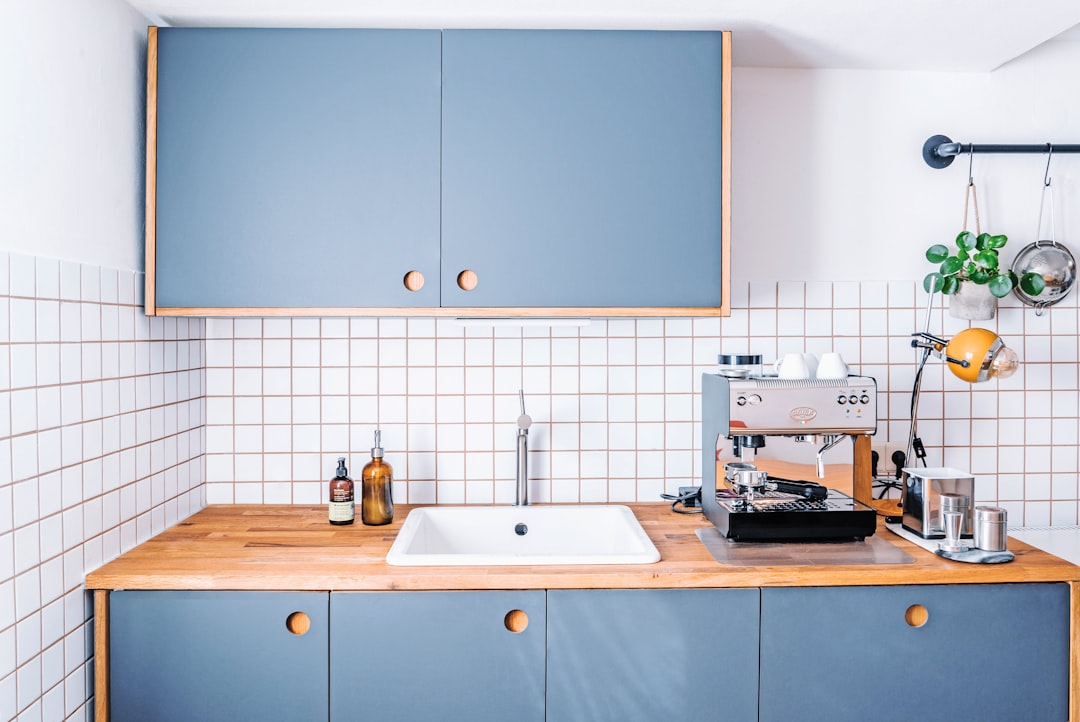
Are your kitchen cupboards looking tired or outdated? Replacing them can completely transform the heart of your home without breaking the bank.
But where do you start? You might feel overwhelmed by the thought of removing old cabinets and installing new ones. Don’t worry—this guide will walk you through every step clearly and simply. By the end, you’ll have the confidence to refresh your kitchen with cupboards that match your style and needs.
Ready to give your kitchen a fresh new look? Let’s dive in!
Tools And Materials Needed
Essential tools include a screwdriver, drill, measuring tape, and level. Materials like new cupboard doors, hinges, screws, and wood filler are also needed. Having everything ready makes the replacement process smoother and faster.
Essential Tools
Gather screwdriversfor removing and installing screws. Use a drillfor quicker work. A measuring tapeensures accurate fitting. Levelhelps in aligning cupboards evenly. Hammermight be needed for adjustments. Stud finderis crucial for securing cupboards to walls. Keep a pencilhandy for marking spots.
Choosing New Cupboards
Pick cupboards that match your style. Measure space carefully. Choose durable materials like wood or metal. Consider cupboard color and finish. Think about storage needs. Check door styles and handles. Ensure easy cleaning and maintenance.
Safety Gear
Wear safety gogglesto protect eyes. Use glovesto avoid cuts or blisters. Consider wearing a dust mask. Protect your feet with closed-toe shoes. Keep a first aid kit nearby. Ensure good lighting to see clearly. Work carefully to avoid accidents.

Credit: www.youtube.com
Preparing The Kitchen
Clear the kitchen area before starting. Remove all items from cupboards and counters.
Protect surfaces to avoid scratches or paint spills. Use old sheets or plastic covers for floors and counters.
Turn off utilities like water and electricity to stay safe. Locate the main switches or valves and switch them off.
Removing Old Cupboards
Start by removing the cupboard doorscarefully. Use a screwdriver to take out the screws holding the doors. Take off any shelvesinside to make the cupboards lighter.
Unscrew the cabinetsfrom the wall. Look for screws along the top, bottom, and sides. Keep a safe grip so the cabinet doesn’t fall once loose.
| Task | Tips |
|---|---|
| Handling Plumbing | Turn off water supply before disconnecting pipes near cabinets. |
| Handling Electrical | Switch off power to any outlets or lights inside or near cabinets. |
Be gentle with plumbing and electrical parts. Avoid pulling or twisting pipes and wires. Use proper tools to disconnect safely.

Credit: www.youtube.com
Inspecting And Repairing Walls
Check walls carefully for any cracks, holes, or soft spots. These signs show damage that must be fixed before installing cupboards. Small holes can be filled with putty, while larger holes may need a patch. Remove dirt and dust from the wall surface to help new paint or adhesive stick well.
Use sandpaper to smooth out patched areas. This creates a flat and even surface. Walls should be dry and clean before starting cupboard installation. Use a level tool to check if walls are straight and not bowed or uneven. Uneven surfaces can cause cupboards to hang crooked.
- Inspect walls for cracks, holes, and softness
- Clean dirt and dust from the walls
- Patch holes with putty or wall patches
- Sand patched areas smooth
- Use a level to check wall evenness
- Fix uneven areas for a flat surface
Installing New Cupboards
Start by measuring the wall spacewhere the cupboards will go. Use a tape measure and a pencil to mark the heightand width clearly. Double-check all measurements to avoid mistakes. Mark the studs behind the wall with a stud finder for better support.
Use a level to draw a straight line where the bottom of the cupboards will rest. This ensures the cupboards will be aligned properly.
Attach the cabinets by securing them to the wall studs with screws. Use a drill to make pilot holes to prevent wood from splitting. Check that each cabinet is level and plumbbefore tightening screws fully.
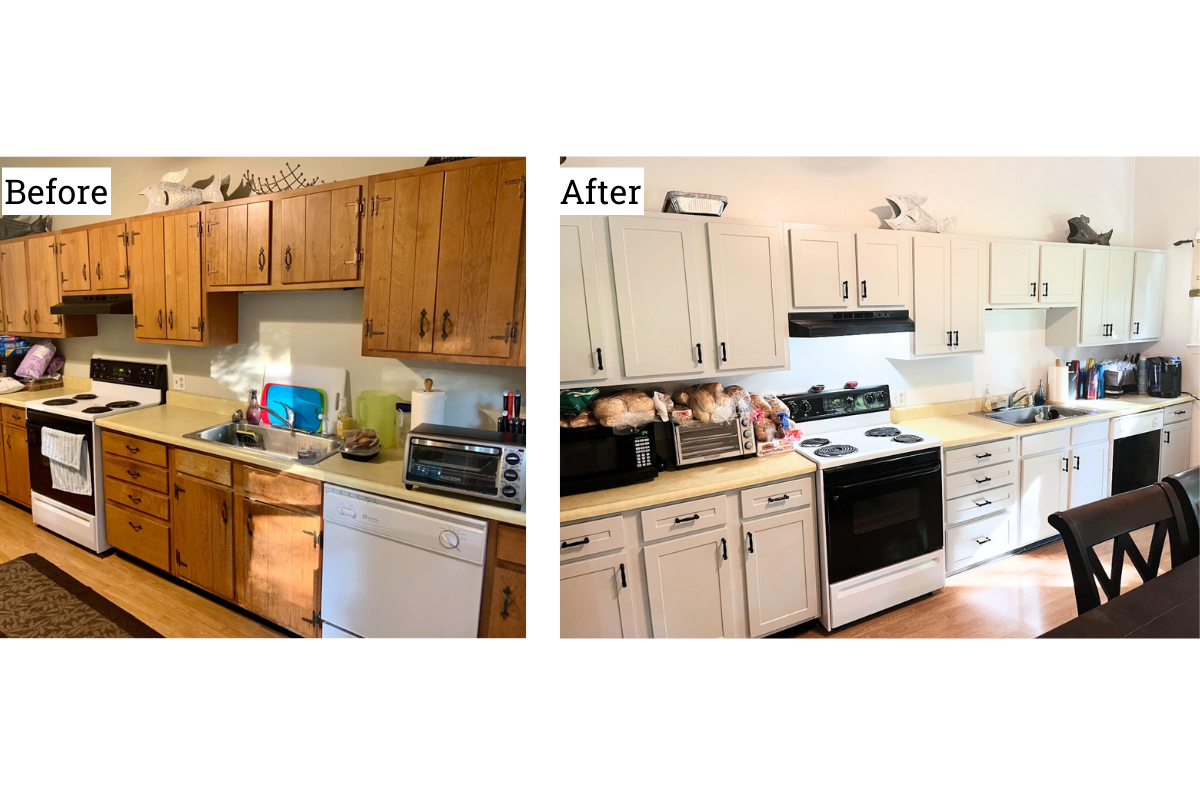
Align the cupboards side by side, adjusting the height if needed. Use shims to fix any gaps between the wall and cabinets. Tighten all screws once everything is perfectly level.
Credit: www.cabinetnow.com
Finishing Touches
Attach the cupboard doors carefully to the frame. Use strong screws for a tight fit. Check that each door swings smoothly without touching the cabinet sides.
Adjust the hinges by turning their screws. This helps align doors evenly. Make sure handles are secure and easy to grip. Loose handles can cause damage over time.
Clean the cupboards using a soft cloth and mild cleaner. Remove dust and fingerprints for a fresh look. Avoid harsh chemicals that can damage the finish.
| Task | Tips |
|---|---|
| Attaching Doors | Use a drill; tighten screws firmly but not too tight |
| Adjusting Hinges | Turn screws slowly; check door alignment regularly |
| Installing Handles | Use a level; make sure handles are straight |
| Cleaning | Use mild soap; wipe dry with a soft cloth |
Tips For A Smooth Upgrade
Plan your work well to save timeand avoid stress. Set clear goalsfor each day. Prepare all tools and materials before starting. Keep a flexible schedule for unexpected delays. Work in stages to keep the kitchen usable.
- Avoid rushing; mistakes happen fast.
- Measure twice, cut once to prevent errors.
- Do not ignore old cupboard removal challenges.
- Keep screws and small parts organized.
- Check cupboard alignment carefully before fixing.
Clean cupboards regularly with a soft cloth and mild soap. Avoid harsh chemicals that damage surfaces. Fix loose hinges quickly to stop bigger problems. Use shelf liners to protect cupboard floors. Regular checks keep cupboards looking new longer.
Frequently Asked Questions
How Do I Remove Old Kitchen Cupboards Safely?
Start by emptying cupboards and removing doors and shelves. Unscrew cabinets from walls carefully. Use a stud finder to avoid wall damage. Wear safety gloves and goggles to protect yourself during removal.
What Tools Are Needed To Replace Kitchen Cupboards?
You’ll need a drill, screwdriver, level, measuring tape, stud finder, and a hammer. Also, use a saw for custom fitting. These tools ensure precise installation and a professional finish.
How Long Does It Take To Replace Kitchen Cupboards?
Replacing cupboards usually takes 1 to 3 days depending on kitchen size. Preparation and careful installation affect the timeline. Proper planning can speed up the process.
Can I Install New Cupboards Myself?
Yes, if you have basic DIY skills and tools. Follow step-by-step guides and measure precisely. For complex layouts, consider hiring a professional to avoid mistakes.
Conclusion
Replacing kitchen cupboards can refresh your space quickly and affordably. Take your time to measure and choose materials carefully. Follow each step with patience for the best results. Enjoy the satisfaction of a brighter, more organized kitchen. Small changes can make a big difference in your home.
Keep your tools ready and stay safe while working. This project helps improve both function and style in one go. You can do it yourself and feel proud afterward.