Is your kitchen sink draining slowly or completely clogged, even with a garbage disposal in place? You’re not alone, and the good news is you don’t always need to call a plumber.
Learning how to snake a kitchen sink with a garbage disposal can save you time, money, and frustration. In this guide, you’ll discover simple, effective steps to clear that stubborn clog yourself. Keep reading—by the end, you’ll have the confidence to tackle this common problem and get your sink flowing smoothly again.
Tools And Materials Needed
- Drain snake or auger:Flexible tool to clear clogs deep in pipes.
- Bucket:To catch water and debris during the process.
- Gloves:Protect hands from dirt and sharp objects.
- Adjustable wrench:Helps to loosen or tighten pipe connections.
- Flashlight:Provides light under the sink for better visibility.
- Plumber’s tape:Seals pipe joints to prevent leaks after clearing the clog.
- Old towels or rags:Clean up spills and keep the area dry.
Make sure all tools are clean and ready to use. Safety is important, so wear gloves to protect your hands. Keep a bucket nearby for any water spills. A flashlight helps you see inside tight spaces under the sink. The plumber’s tape keeps joints tight and leak-free after fixing the clog.
Safety Precautions
Always turn off the powerto the garbage disposal at the circuit breaker. This stops it from running while you work. Use a non-conductive toollike a wooden or plastic snake to avoid shocks. Never put your hand inside the disposal. Wear gloves and safety glassesto protect from sharp edges and debris. Check the sink area for any leaks before starting. Make sure the workspace is dryto avoid slipping. Keep children and pets away during the task. If unsure about any step, call a professionalfor help. Safety first always.
Preparing The Sink Area
Clear the area under the sink for easy access. Remove any items that block your way. Turn off the water supply valves to avoid leaks or spills. Unplug the garbage disposal from the power source to stay safe. Place a bucket or bowl under the pipes to catch water. Use a towel or cloth to wipe up any spills. Make sure you have the right tools ready, like a plumber’s snake, wrench, and gloves. Good lighting helps you see the pipes clearly. Being prepared saves time and prevents messes.

Credit: www.benjaminfranklinplumbingtyler.com
Turning Off The Garbage Disposal
First, find the power switch for the garbage disposal. It is usually under the sink or on the wall.
Unplug the disposal from the outlet if possible. This stops any power from running to the unit.
Turn off the circuit breaker that controls the disposal. This is the safest way to cut power.
Double-check by pressing the switch to ensure the disposal does not turn on. This prevents accidents.
Use a flashlight to see better under the sink if needed. Safety first.
Accessing The Drain Pipe
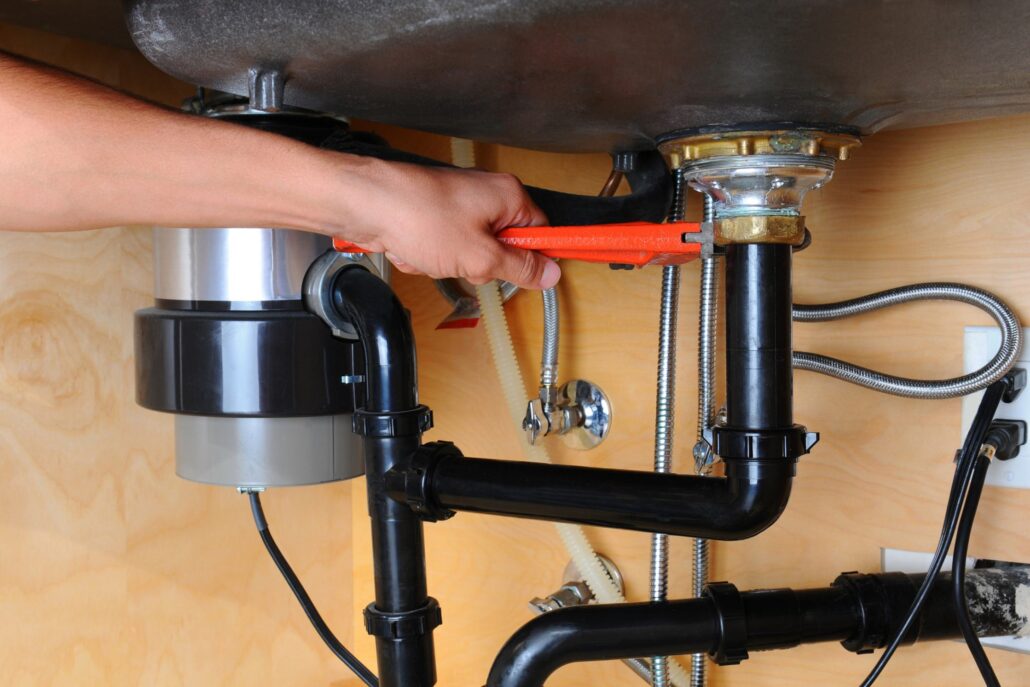
Locate the cabinet under the kitchen sink. Clear out any items to access the plumbing. Look for the drain pipe connected to the garbage disposal. This pipe usually runs horizontally from the disposal unit.
Turn off the power to the garbage disposal. Unplug it or switch off the circuit breaker. This step is vital for safety before working on the pipes.
Place a bucket or bowl under the drain pipe. This will catch water or debris that falls out during disassembly. Use a wrench or pliers to loosen the slip nuts on the pipes. Remove the pipe carefully to expose the drain line.
Check the pipe for blockages before snaking. This access point allows the snake to reach deep clogs. Keep the area well-lit and have towels ready for spills.

Credit: www.drano.com
Using The Snake To Clear The Clog
Insert the snakeinto the drain opening near the garbage disposal. Push it gently to avoid damage. Keep feeding the snake until it meets resistance. This means you reached the clog.
Rotate and pushthe snake handle slowly. This helps break up the clog inside the pipe. Avoid forcing the snake hard. It might damage the plumbing or disposal unit.
Pull back the snakecarefully once the resistance eases. The clog may come out attached to the snake. Clean the snake before removing it completely. Run water to flush any leftover debris.
Cleaning And Testing The Drain
After snaking the drain, remove the snake carefully. Run water to check if it flows freely. The garbage disposal should spin without noise or shaking. Clear any debris stuck near the drain opening.
Use a flashlight to inspect inside the drain. Look for remaining clogs or buildup. If the water drains slowly, try snaking again. Ensure the disposal is unplugged before inspecting or cleaning.
- Run cold water for 1-2 minutes during testing.
- Listen for unusual sounds in the disposal.
- Check under the sink for leaks.
- Reset the disposal if it stops working.
Cleaning and testing help avoid future clogs. Regular checks keep the kitchen sink working well.
Preventing Future Clogs
Regular cleaning helps keep the kitchen sink clear. Avoid pouring grease or oil down the drain. These substances harden and cause blockages. Use cold water when running the garbage disposal. Cold water keeps fats solid, so the disposal can chop them well.
Scrape food scraps into the trash before rinsing dishes. Avoid fibrous foods like celery or corn husks in the disposal. They can wrap around the blades and cause jams. Run the disposal for 15 seconds after use to clear leftover debris.
Try natural cleaners like baking soda and vinegar monthly. They help break down buildup without harsh chemicals. Keep a sink strainer to catch larger bits and prevent clogs.
- Use cold water with the disposal
- Never pour grease down the drain
- Scrape food scraps into the trash
- Avoid fibrous foods in the disposal
- Run disposal after use to clear debris
- Clean monthly with baking soda and vinegar
- Use a sink strainer to catch bits
Credit: www.narrowpathplumbing.com
Frequently Asked Questions
How Do You Snake A Kitchen Sink With A Garbage Disposal?
To snake a kitchen sink with a garbage disposal, first turn off the power. Remove the drain trap, then insert the snake into the pipe. Slowly rotate and push the snake until you clear the clog. Reassemble and test for drainage.
Can I Use A Drain Snake With A Garbage Disposal?
Yes, you can use a drain snake with a garbage disposal. Always disconnect power before snaking. Avoid damaging the disposal blades by snaking only the drain pipes below the unit. This clears clogs without harming the disposal.
What Tools Are Needed To Snake A Kitchen Sink Drain?
You need a drain snake, adjustable wrench, bucket, and gloves. Also, turn off the garbage disposal’s power for safety. These tools help you remove clogs efficiently without damaging your sink or disposal.
How Often Should I Snake My Kitchen Sink With Disposal?
Snake your kitchen sink only when slow drainage or clogs occur. Regular maintenance with a natural cleaner is better. Overusing a snake can damage pipes or disposal parts, so use it sparingly and only when necessary.
Conclusion
Snaking a kitchen sink with a garbage disposal is doable. Follow the steps carefully. Start by gathering the right tools. Turn off the power for safety. Remove the disposal unit if needed. Use the snake to clear the clog. Be patient and gentle.
Reassemble everything once done. Test to ensure the sink drains properly. Regular maintenance helps prevent future clogs. Remember, patience and care are key. You can handle it with ease. Now, enjoy a smoothly running kitchen sink.