Is your kitchen sink draining slowly or not at all? A clogged kitchen drain can be frustrating and messy, but you don’t have to call a plumber right away.
You can fix it yourself by learning how to snake your kitchen drain. This simple skill will save you time, money, and hassle. In this guide, you’ll discover easy steps to clear the blockage and get your sink flowing smoothly again.
Ready to take control and solve the problem quickly? Let’s dive in!
Tools Needed
Choosing the right snake is key. A manual hand-crank snakeworks well for kitchen drains. It is easy to use and affordable. For tougher clogs, an electric snakesaves time and effort.
The snake should be thin enough to fitinto the drain but strong enough to break clogs. Length matters too; a 10 to 25 feet snakesuits most kitchen pipes.
- Rubber gloves protect your hands from dirt and germs.
- A bucket catches water and debris during snaking.
- Old towels help clean spills and messes.
- Flashlight helps see inside the drain.
- Pipe wrench or pliers may be needed to remove drain covers.
Credit: ca.style.yahoo.com
Preparing The Area
Clear all items from under the sink to create space. This helps avoid damage to belongings. Remove cleaning supplies, buckets, or garbage bins. Check for any spills or leaks and clean them up.
Protect your workspace with old towels or a plastic sheet. This prevents water or dirt from making a mess. Wear gloves to keep your hands clean. Keep a small bucket nearby to catch water from the drain.
Accessing The Drain
First, place a bucketunder the P-Trap. This catches any water. Loosen the slip nutsusing your hands or a wrench. Gently remove the P-Trap. Water may spill, so be careful. Check the trap for clogsor debris. Clean it using a brush or cloth. Reattach the P-Trap securely. Make sure the slip nuts are tight.
Look under the sink to find the drain opening. It’s often a straight pipe. Remove any cover or stopper carefully. Use a flashlight if it’s dark. This helps you see clearly. Make sure the area is clean. Ready for the next step? Use a snake toolto clear clogs. Insert the snake into the drain opening. Turn the handle to push it through.
Using The Snake
Hold the snake firmly and insert its end into the kitchen drain. Push gently but steadily. The snake should move through the pipe smoothly. Stop if you feel strong resistance.
Rotate the snake handle slowly while pushing it forward. This helps the snake break through clogs. Keep turning and pushing until the snake moves freely.
Withdraw the snake carefully after clearing the clog. Clean the snake before storing it. This keeps it ready for the next use.
Removing The Snake
Pull the snake out slowlyand steadily. Avoid quick yanks to prevent damage. Keep turning the handle to help release the clog. If resistance is strong, pause and try to loosen the blockage gently.
After removing the snake, check for any debris stuck on the coil. Use a cloth or gloves to clean off dirt and grease. This helps keep the snake in good condition for next use.
Rinse the snake with water to remove leftover grime. Dry it well before storing to stop rust. Proper cleaning extends the lifeof your tool and keeps it ready for future use.
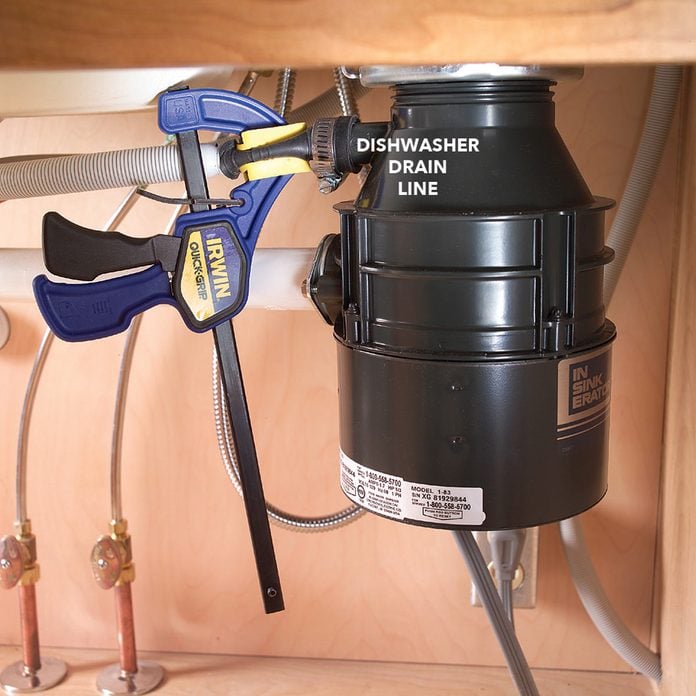
Credit: www.familyhandyman.com
Reassembling The Drain
Start by aligning the P-trapunder the sink drain pipe carefully. Make sure the curved part fits snugly against the drain tailpiece. Use the slip nutsand washers to secure the P-trap in place. Tighten the nuts by hand first, then use a wrench for a firm fit, but avoid over-tightening.
After reattaching the P-trap, check for leaks to ensure a good seal. Run water through the drain slowly. Watch all connections closely for any drips or moisture. Tighten any loose nuts gently if you see leaks. A dry area means the drain is properly reassembled.
Preventing Future Clogs
Regularly cleaning the drain helps keep it clear of dirt and grease. Use a mixture of hot water and mild soap to flush the drain weekly. Avoid pouring oil, fat, or coffee grounds down the sink. These can stick inside and cause clogs over time.
Proper waste disposal is key to preventing blockages. Never put large food scraps or hard items into the drain. Use a drain strainer to catch debris and empty it often. Dispose of cooking oil in a sealed container instead of the sink.
- Flush drains with hot water weekly
- Use mild soap to clean the pipes
- Do not pour grease or oil down the drain
- Use a strainer to catch food scraps
- Throw away large scraps in the trash

Credit: www.bbphsaratoga.com
Frequently Asked Questions
How Do You Snake A Kitchen Drain Effectively?
To snake a kitchen drain, insert the snake cable into the drain opening. Turn the handle clockwise to break clogs. Push gently until resistance lessens. Pull out debris carefully. Flush the drain with hot water to clear remaining residue.
What Tools Are Needed To Snake A Kitchen Drain?
You need a drain snake or auger, gloves, a bucket, and a flashlight. Optional tools include pliers and a wrench to remove the drain trap if necessary. These tools help you reach and remove blockages efficiently.
How Often Should You Snake Your Kitchen Drain?
Snake your kitchen drain every 6 to 12 months or when slow drainage occurs. Regular maintenance prevents buildup and reduces clog risks. Immediate snaking is required if water backs up or drains slowly.
Can I Snake My Kitchen Drain Without Removing The Trap?
Yes, you can often snake the drain through the sink drain opening. However, removing the trap may be necessary if the clog is deep or persistent. Removing the trap allows better access to stubborn blockages.
Conclusion
Snaking your kitchen drain helps stop clogs fast. It saves money on plumber calls. Use the right tools and work carefully. Take safety steps to avoid damage. Regular cleaning keeps drains flowing well. Try snaking before using harsh chemicals. Small effort now prevents bigger problems later.
Keep your kitchen sink running smoothly every day. Simple actions make a big difference in home care.